
 English
 中文简体
中文简体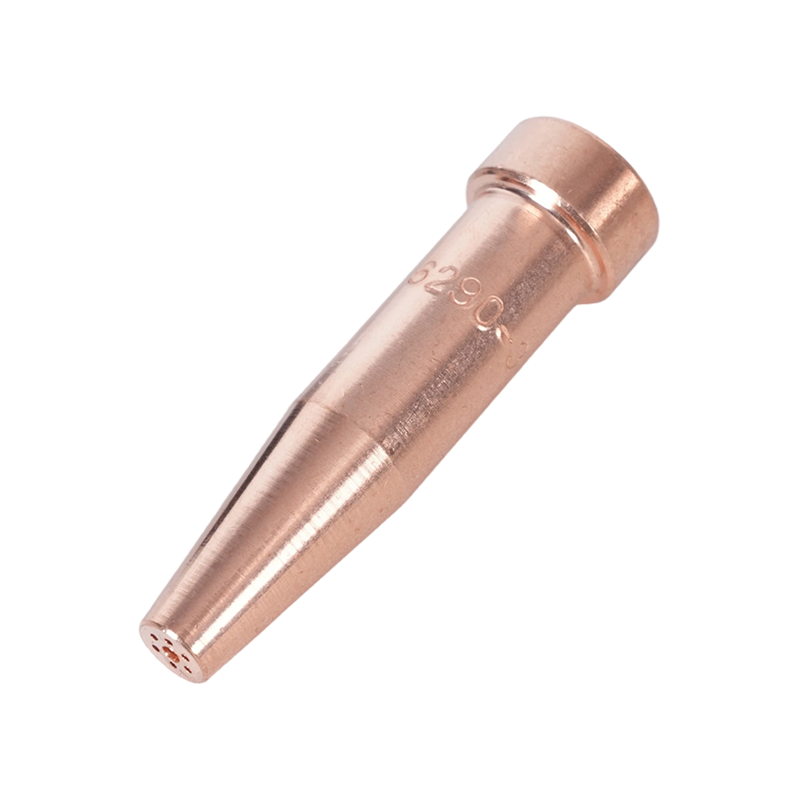
Ask any fabricator how hot an oxy-fuel cutting torch gets and you will hear different answers depending on whether they are talking about the flame, the steel, or the cut itself. The direct answer is that an oxygen-acetylene flame reaches roughly 3,160°C (5,720°F) at the inner cone, while an oxygen-propane flame peaks around 2,828°C (5,120°F). The practical answer is more useful: the temperature that actually produces a clean cut is lower, because oxy-fuel cutting is driven by an oxygen-steel reaction, not by the flame melting the material.
Content
Flame temperature by fuel gas
The temperature values below assume a neutral flame, dry gases, and a torch in good condition. They are reference points, not guaranteed values for every nozzle on every handle.
| Fuel gas | Max flame temperature in oxygen | Typical use |
|---|---|---|
| Acetylene | approx 3,160°C (5,720°F) | Cutting, welding, brazing; concentrated heat |
| Propane | approx 2,828°C (5,120°F) | Cutting, heating, scarfing; larger preheat |
| Propylene | approx 2,850°C (5,160°F) | Cutting, brazing; good balance |
| MAPP gas | approx 2,900°C (5,250°F) | Brazing, cutting, soldering |
| Natural gas | approx 2,770°C (5,020°F) | High-volume plant cutting |
Acetylene still holds the top position for concentrated heat delivery. Propane produces a broader flame, which can preheat a wider area but lowers the peak temperature. That is why many shops keep both: acetylene for fine cutting and welding, propane for heavy preheat and general production cutting.
Reading the inner cone
The inner cone of a neutral oxy-acetylene flame is the hottest region. When you adjust the torch from a carburizing flame to a neutral flame, the inner cone becomes sharply defined and the temperature climbs close to the maximum. A soft, ragged cone means the mixture is not correct, and the effective cutting temperature drops even though the gas pressure has not changed.
Acetylene versus propane in practice
The table explains why acetylene is used when a concentrated heat source is needed. Propane costs less and gives a softer, larger flame. For cutting steel plate, either gas can work, but the tip design must match the gas. A tip sized for acetylene will not produce the right flame structure with propane, and vice versa.
Why the cutting temperature is not the flame temperature
Oxy-fuel cutting does not melt the steel away. It uses the preheat flame to bring low-carbon steel up to its ignition temperature, then directs a high-pressure oxygen stream into the heated zone. The iron oxidizes rapidly, releasing heat that sustains the cutting action below the surface.
Preheat and the cutting oxygen stream
For low-carbon steel, the preheat only needs to bring a small zone to roughly 870°C to 930°C (1,600°F to 1,700°F). Once the cutting oxygen flows, the oxidation reaction supplies most of the heat that keeps the cut moving. This is why a cutting torch can slice through thick plate even though the flame alone cannot melt that same plate quickly.
Why a hotter flame is not always a faster cut
A flame that is too hot can melt the top edge before the oxygen stream can establish a clean kerf. The result is a rounded top edge, heavy slag, and slower travel speed. The correct approach is to set a neutral flame, use the right tip size for the plate thickness, and move at a speed that keeps the cutting oxygen ahead of the melt line.
Oxygen purity sets the ceiling
For oxy-fuel cutting, oxygen purity is part of the temperature equation. Industrial cutting oxygen is normally 99.5% or better. If purity falls, the oxidation reaction slows, the kerf becomes uneven, and the cut requires more preheat. A torch can show a correct flame temperature but still cut badly when the oxygen supply is contaminated.
This also explains why oxy-fuel cutting works well on low-carbon steel but not on stainless steel or aluminum. Those metals form oxides that do not sustain the same reaction, so a higher flame temperature does not make them easier to cut.
Practical torch and tip selection
Temperature numbers matter most when they are connected to the equipment. The fuel gas sets the heat ceiling, but the torch tip controls where that heat is delivered and how stable the flame remains under cutting conditions.
Tip size and flame shape
Tip selection is the first place operators feel differences in temperature control. If the tip is too small, the preheat flame lacks the heat input needed to keep the ignition temperature ahead of the cut. If it is too large, the flame overheats the top edge and widens the kerf. For American-style torches, a reliable starting point is a tip matched to both the torch handle and the fuel gas, such as 6290 series acetylene cutting tips for American-style torches. These tips maintain the inner-cone stability that keeps cutting temperature concentrated where it belongs.
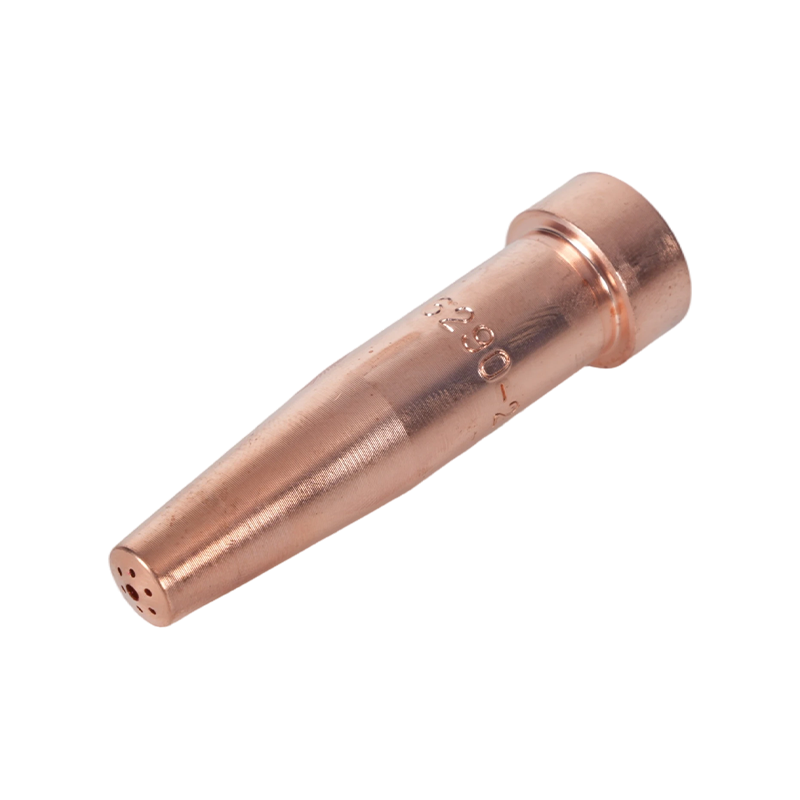 6290 Series Acetylene Cutting Tip Nozzle For American Style Cutting Torch SuppliWELDMAN is top China 6290 Series Acetylene Cutting Tip Nozzle For American Style Cutting Torch Supplier and Company, Wholesale 6290 Serie...View Product →
Torch body and duty rating
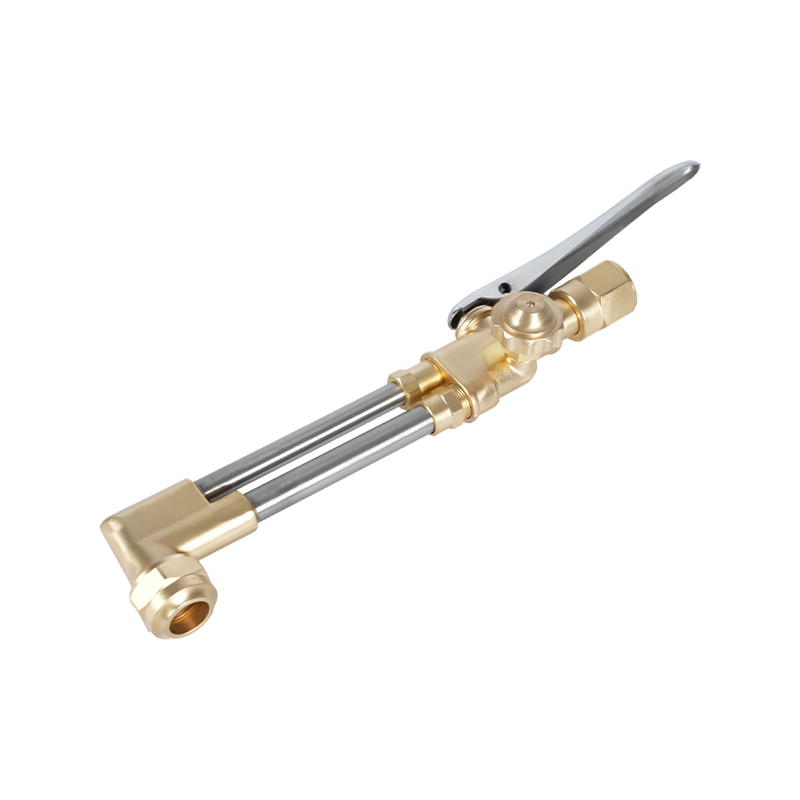
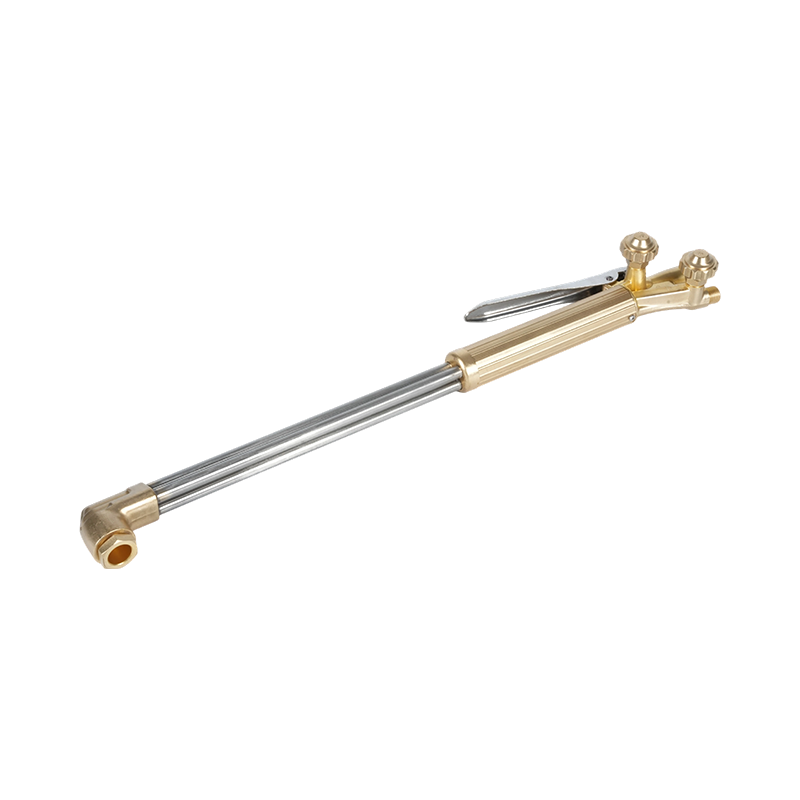
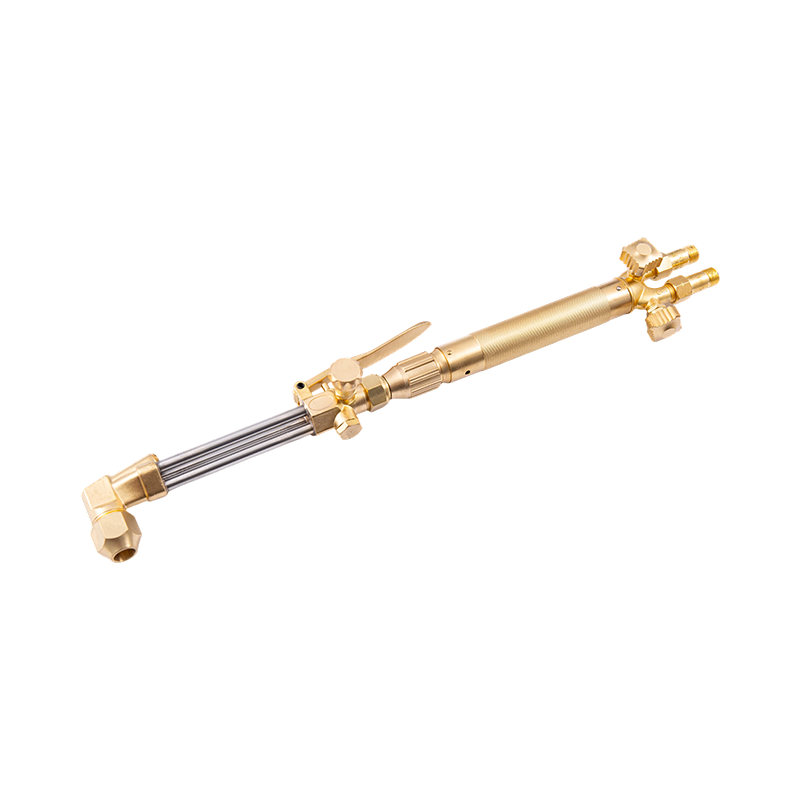
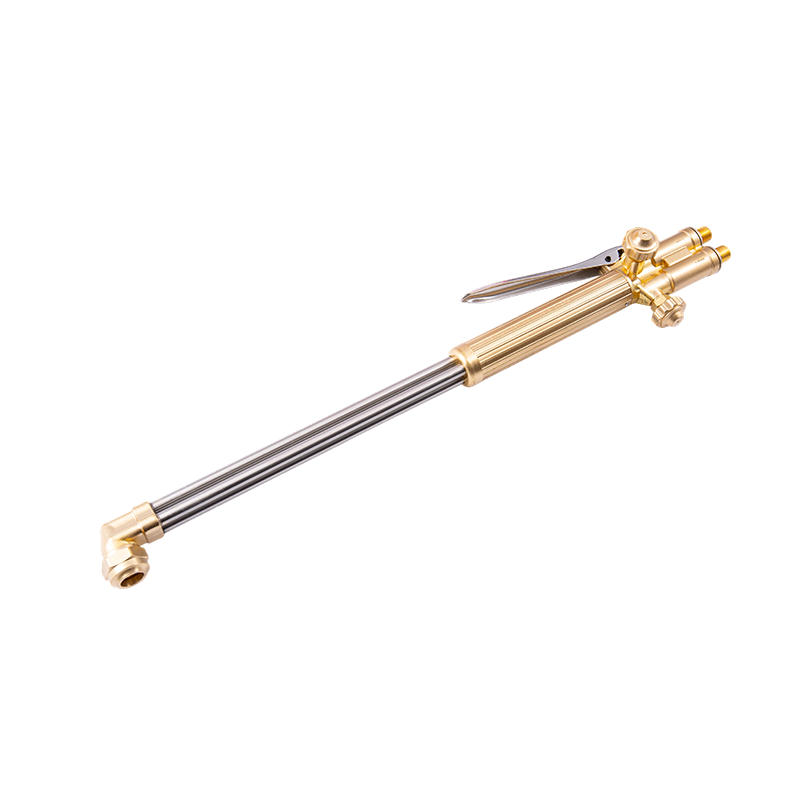
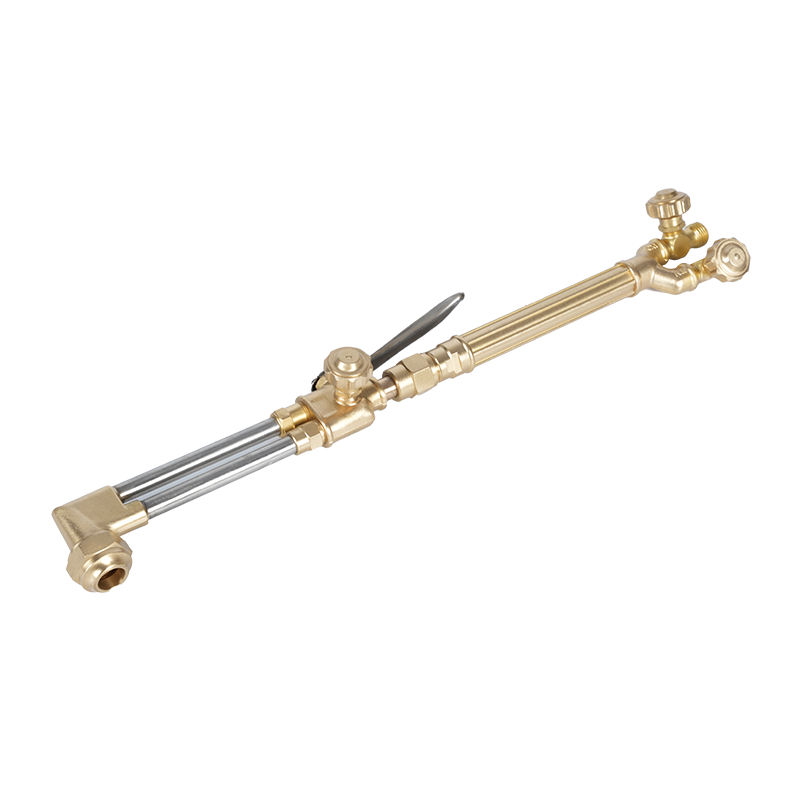
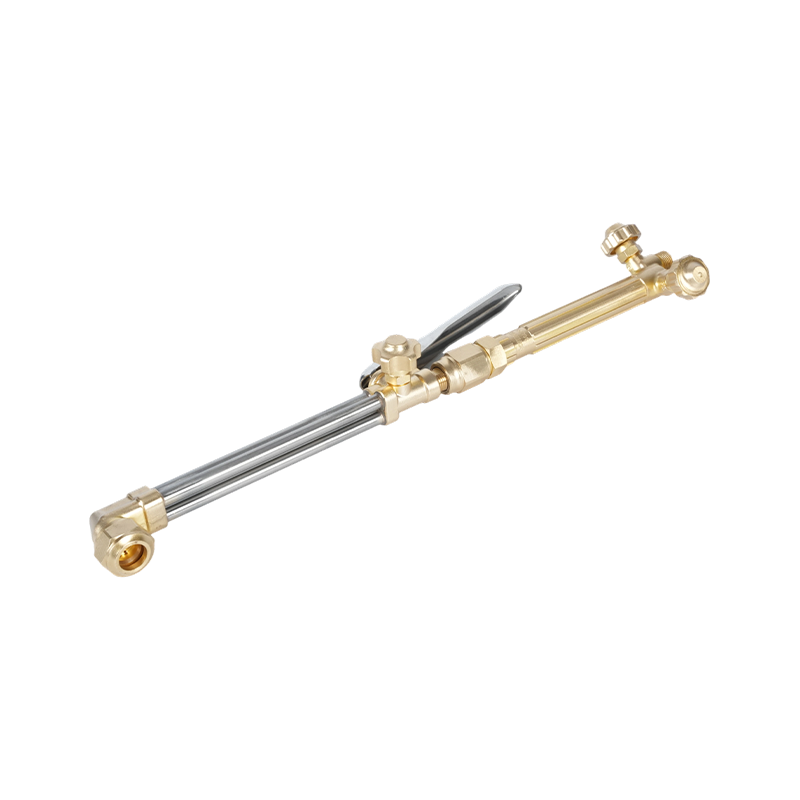
The torch body also changes how that temperature feels in the operator's hands. A lightweight torch may be comfortable for short jobs, but for extended cutting on plate, a heavy-duty design holds the same tip angle with less operator fatigue and stays cooler near the valves. A heavy-duty handheld oxy-acetylene cutting torch with properly aligned tubes is easier to control, which in turn produces a more consistent cut temperature across the full length of the plate.
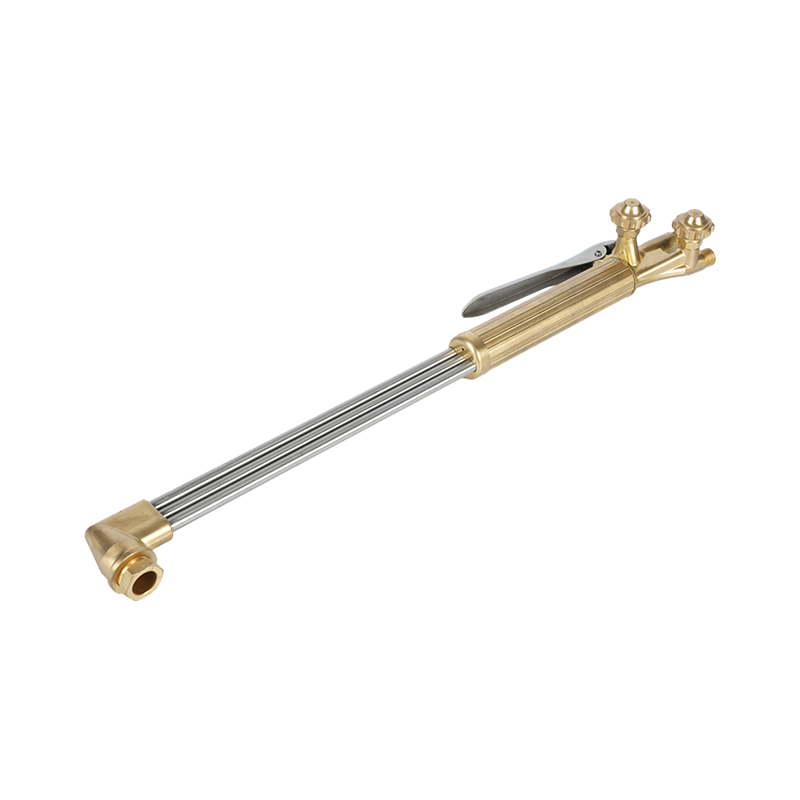 B400 Heavy-Duty Handheld Oxygen Acetylene Cutting Torch Suppliers, Wholesale ComWELDMAN is top China B400 Heavy-Duty Handheld Oxygen Acetylene Cutting Torch Supplier and Company, Wholesale B400 Heavy-Duty Handheld Oxy...View Product →
Gas supply and regulator setup
The regulator is part of the temperature chain. A regulator that drifts or creeps will change the gas velocity and flame shape even though the tip stays the same. Start with the pressures listed for the tip size, set a neutral flame, then fine-tune until the inner cone is crisp. For the full sequence of checks, start with our cutting torch tip selection, setup, and maintenance guide, which covers nozzle sizes, seating surfaces, and common setup mistakes.
Safety and gas handling
The same high temperature that makes oxy-fuel cutting practical can start a serious fire in seconds. A few grams of oil in an oxygen fitting, a cracked hose, or a missing flashback arrestor can turn a normal cut into a shop emergency.
Pressure, flashback protection, and hoses
High flame temperature is only safe when the fuel gas cannot flow backward into the oxygen hose. Check valves alone do not stop a flashback. A proper oxy-acetylene flashback arrestor such as the B288 series oxy-acetylene flashback arrestor stops the reaction before it travels farther up the line. Operators also need to inspect hoses, cylinder fittings, and regulator connections on a regular schedule. The full set of rules is covered in our summary of oxygen-fuel torch safety precautions, but the short version is: no oil, no damaged hoses, no improvised repairs.
 B288 Series Oxy Acetylene Flashback Arrestor Suppliers, Wholesale Company - NINGWELDMAN is top China B288 Series Oxy Acetylene Flashback Arrestor Supplier and Company, Wholesale B288 Series Oxy Acetylene Flashback Arr...View Product →
Putting cutting torch temperature to work
When you choose a cutting setup, use the temperature table as a starting point, not the final answer. The fuel gas determines the heat ceiling, the tip design controls where that heat is delivered, and the safety equipment decides whether the system is usable. If you want to match a torch, handle, and gas configuration to your plate thickness and duty cycle, contact our engineering team with your operating conditions.