
 English
 中文简体
中文简体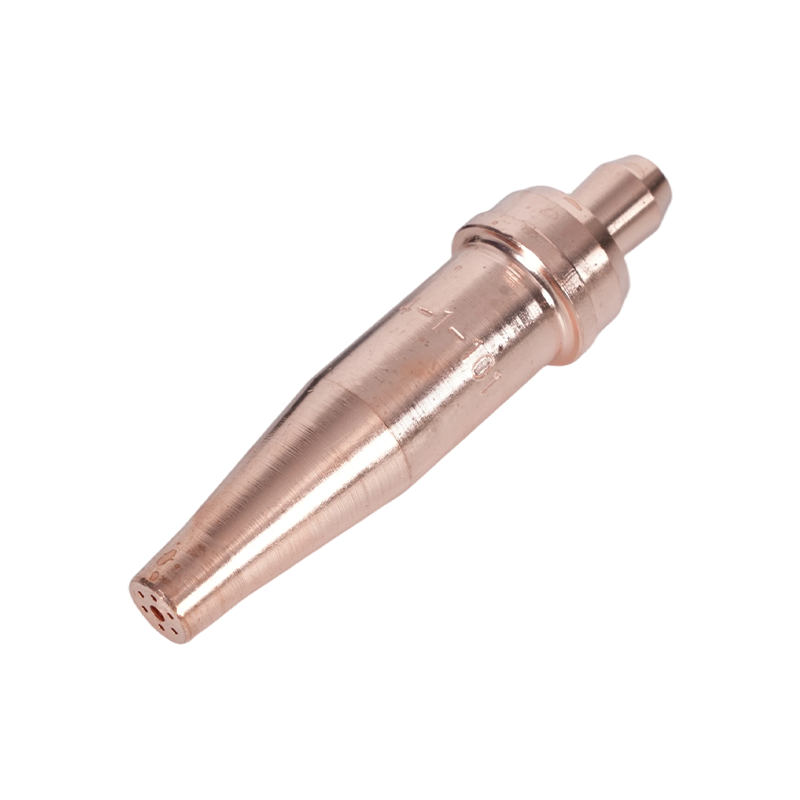
Choosing the right gas for a cutting torch is not about picking the most expensive option. It is about matching the fuel to the steel thickness, the cutting speed you need, the oxygen consumption you can tolerate, and the safety practices your shop already has in place. In short: acetylene remains the most versatile choice for precision cutting, propane is the best value for thick plate and high-volume work, and propylene or MAPP sit in between.
Content
- 1 Key Factors That Determine the Right Cutting Gas
- 2 The Main Cutting Torch Gases, Compared
- 3 Side-by-Side Comparison of Cutting Torch Gases
- 4 How Your Gas Choice Affects Cutting Tips and Nozzles
- 5 Safety Equipment for Every Fuel
- 6 Practical Recommendations by Job Type
- 7 Get the Right Package for Your Gas
Key Factors That Determine the Right Cutting Gas
Four gas properties matter most: flame temperature, heat release, preheat speed, and cost per hour. Flame temperature tells you how concentrated the heat is. Heat release tells you how much total energy the flame delivers. Preheat speed is a practical result of both, and cost per hour includes gas usage, oxygen consumption, cylinder rental, and handling time.
Do not assume that the hottest flame is always the best. At equal flow rates, acetylene produces a sharp, intense inner cone that minimizes the heat-affected zone. Propane has a lower flame temperature but a broader heat distribution, so it can raise a large area to kindling temperature, which is why many shops use propane for profiling heavy plate. The trade-off is that propane needs longer preheat time on thin steel and can produce more slag if the operator does not adjust the oxygen balance.
Oxygen purity also matters. Most torch cutting lines are set up for 99.5% oxygen; drop the purity and the cut slows, the dross increases, and the bottom edge turns ragged. Keep oxygen delivery systems clean and verify purity at the point of use if you see inconsistent cut quality.
The Main Cutting Torch Gases, Compared
Four fuels dominate torch cutting: acetylene, propane, propylene, and MAPP. Each has a distinct flame profile that changes the feel of the cut and the choice of consumables.
Acetylene – The Precision Standard
Acetylene is the reference fuel for oxy-fuel work. Its flame temperature in oxygen reaches about 3,160°C, the highest among common fuel gases. That makes it excellent for starting a cut quickly, especially on thin sheet and intricate shapes. A well-set acetylene flame leaves a clean edge and less dross because the inner cone is short and well defined. In practice, acetylene works well for plate thickness up to roughly 150 mm, provided the torch and tip are sized for the job.
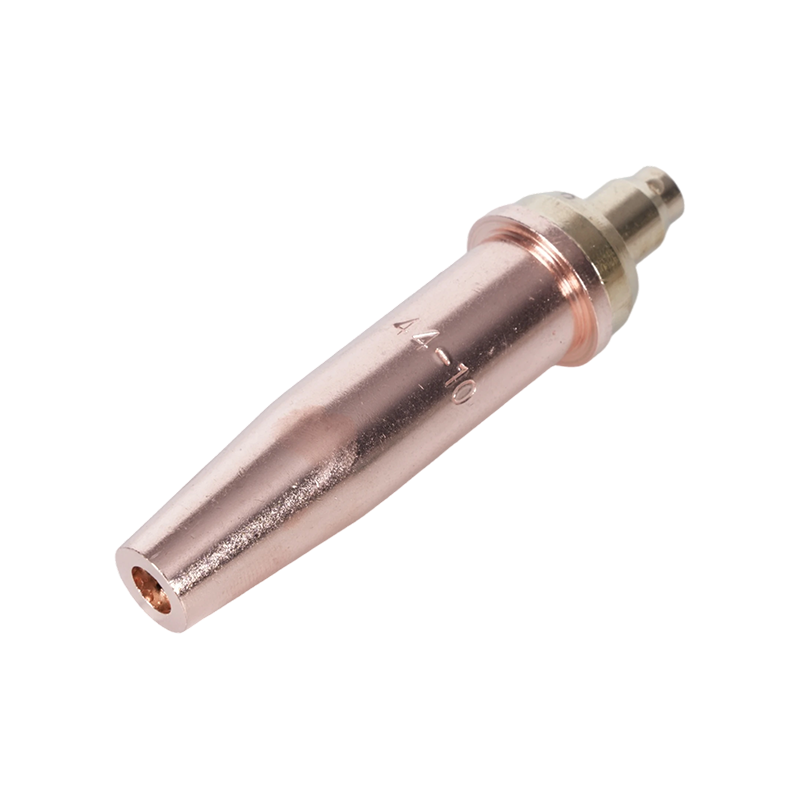
Because acetylene is unstable above about 15 psi, the equipment must be designed for low-pressure operation. Never run an acetylene torch without a flashback arrestor and never use a tip intended for another fuel. Use a tip with the correct orifice geometry, such as 1101 series oxygen-acetylene cutting tips, to keep the flame stable at low delivery pressures.
 1-101 Series Acetylene Torch Tips Suppliers, Wholesale Company - NINGBO WELDMAN WELDMAN is top China 1-101 Series Acetylene Torch Tips Supplier and Company, Wholesale 1-101 Series Acetylene Torch Tips for sale, The 1-...View Product →
Propane – The Economy Choice for Heavy Plate
Propane is the fuel most often chosen for heavy sectioning and high-volume cutting. Its flame temperature in oxygen is lower, around 2,820°C, but it releases more total heat per unit of gas burned. The flame is longer and softer, which spreads heat over a wider area. In practice, this means a propane preheat flame can bring a thick plate edge to the kindling point and maintain the cut without relying on an extremely hot central cone. Propane is also cheaper per unit of fuel and can be stored in lighter cylinders, so handling costs drop.
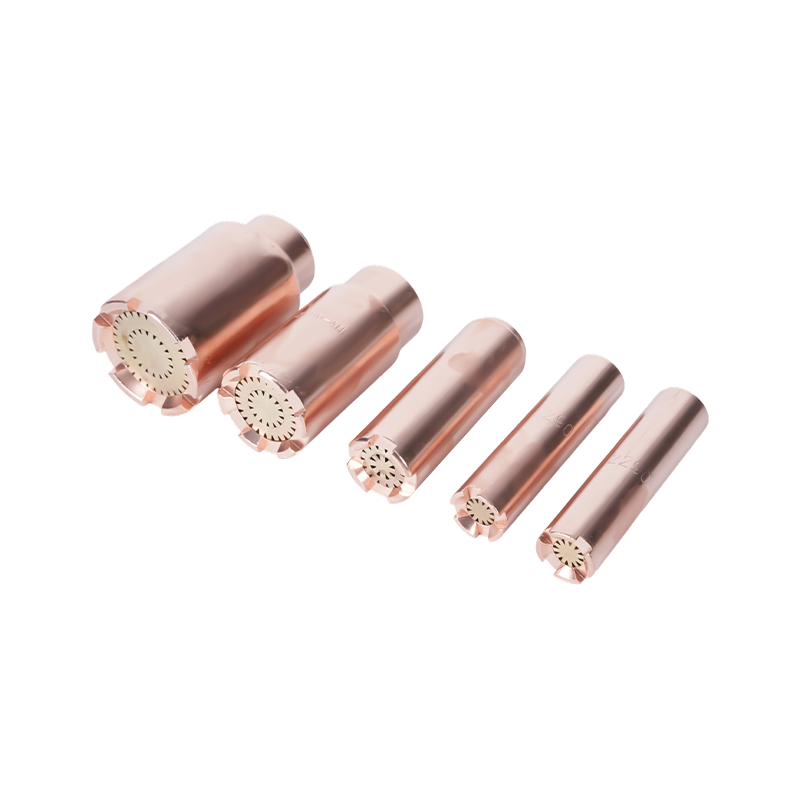
Propane has its own rules. It needs a longer preheat time on thin material, and it requires a tip with large, carefully angled preheat orifices. If you fit an acetylene tip to a propane torch, the preheat holes are too small and the flame backs off. For consistent performance, use a tip made for propane, such as the 1503 series propane cutting torch head, and set the regulator according to the tip data sheet.
 1503 Series Propane Cutting Torch Head Suppliers, Wholesale Company - NINGBO WELWELDMAN is top China 1503 Series Propane Cutting Torch Head Supplier and Company, Wholesale 1503 Series Propane Cutting Torch Head for sa...View Product →
Propylene – The Balanced Workhorse
Propylene, a by-product of petroleum refining, comes closer to acetylene in flame temperature while retaining the handling advantages of a liquefied petroleum gas. It is often used in demolition, scrap cutting, and structural work where speed matters more than a surgical edge. Propylene cylinders hold a high gas volume per cylinder and maintain a steady working pressure in cold weather better than acetylene, which is a real advantage for outdoor operations.
Propylene also has a distinct flame characteristic: it produces a bright inner cone that is larger than acetylene but smaller than propane. The tip must be changed when switching between these fuels because the orifice sizing and flame speed differ. Many torch manufacturers supply dedicated propylene tips for their handles and attachments.
MAPP / Methylacetylene-Propadiene – Specialized Tool
What most people call MAPP is now often a propylene blend with added methylacetylene and propadiene. True MAPP gas burns at roughly 2,930°C, hotter than propane, and performs well for cutting, brazing, and soldering in light and occasional work. It is easier to find in small cylinders than bulk propane, which makes it popular for portable kits and repair trucks.
However, MAPP is less widely stocked than acetylene or propane in many regions, and the supply you receive may not match a specific brand of tip. If you choose MAPP, treat it like propylene in terms of tip selection and confirm the cylinder contents with your gas supplier. Otherwise, a dedicated propane or acetylene setup often gives more predictable results.
Side-by-Side Comparison of Cutting Torch Gases
Use this table as a quick reference when you are setting up a cutting station. The values are typical for oxy-fuel work and vary slightly with gas purity and tip type.
| Fuel gas | Flame temperature (approx.) | Heat release characteristic | Best suited for | Main trade-off |
|---|---|---|---|---|
| Acetylene | 3,160°C | Sharp and concentrated | Precision cutting, thin sheet, general fabrication | Low max pressure, more cylinder handling |
| Propane | 2,820°C | Broad and high total heat | Thick plate, heavy structural, high-volume cutting | Slower preheat on thin material |
| Propylene | 2,950°C (approx.) | Intermediate between acetylene and propane | Scrap, demolition, structural work | Higher gas cost than propane |
| MAPP | 2,930°C (approx.) | Hotter than propane, lower than acetylene | Portable kits, brazing and light cutting | Limited availability; composition varies |
How Your Gas Choice Affects Cutting Tips and Nozzles
Do not treat the cutting tip as an accessory. The tip is the component that converts your gas choice into a usable flame shape. Each fuel has a different flame velocity, so the size and angle of the preheat orifices in the tip are engineered for one specific gas. If you use the wrong tip, the flame either lifts off the tip, drops back, or burns with a heavy sooty envelope.
Acetylene tips have small, closely spaced preheat holes that suit the high velocity of the acetylene flame. Propane and propylene tips have larger, angled holes that deliver a wider fan of heat. Switching fuels without switching tips will not only reduce cutting speed; it also increases the risk of flashback because the flame velocity no longer matches the gas flow.
For a step-by-step guide to choosing the correct tip sizes and setting the right oxygen pressure for your fuel, see our article on cutting torch tip selection, setup and maintenance.
Safety Equipment for Every Fuel
Whatever gas you choose, the safety equipment in the system is not optional. Install a flashback arrestor on both the oxygen and fuel lines, and fit non-return valves at the torch inlet. A flashback arrestor stops the flame from traveling back into the hose and cylinder, which is especially important with acetylene because it can decompose in unpressurized lines.
Use the correct hose color code, keep cylinders upright and secured, and never exceed the working pressure printed on the torch body. Acetylene regulators must be set below 15 psi, while propane and propylene regulators can be set higher, but always follow the tip manufacturer's recommended pressure.
Also remember that gas flow and flame size interact. A larger cutting tip requires more fuel and oxygen; if the regulator is too small, the flame will not reach the correct ratio and the cut will be ragged. This is why a complete torch outfit with matched components is easier to manage than a mix-and-match system.
Practical Recommendations by Job Type
With the basic principles in mind, here are practical starting points for common jobs.
- Light fabrication, thin sheet, and pipe work: choose acetylene with a medium-duty hand torch and a tip matched to the plate thickness. The sharp flame keeps the cut narrow and reduces distortion.
- Heavy plate, thick flanges, and structural beams: choose propane with a heavy-duty cutting attachment and a propane tip. The higher total heat release shortens preheat time for thick sections and cuts consumable cost.
- Scrap cutting and demolition: choose propylene if the job is continuous and the crew is experienced. It cuts faster than propane in heavy sections and holds a stable flame in outdoor drafts better than acetylene.
- Portable repairs and one-off light cutting: choose MAPP or propylene in small cylinders if you already stock them for brazing. Just remember to swap tips when you move from one fuel to another.
Get the Right Package for Your Gas
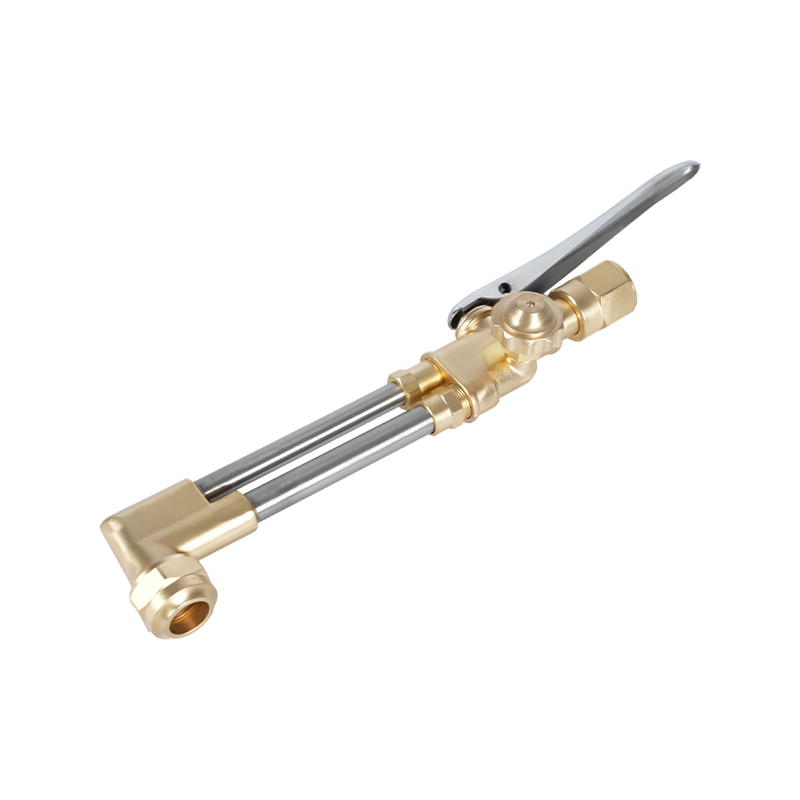
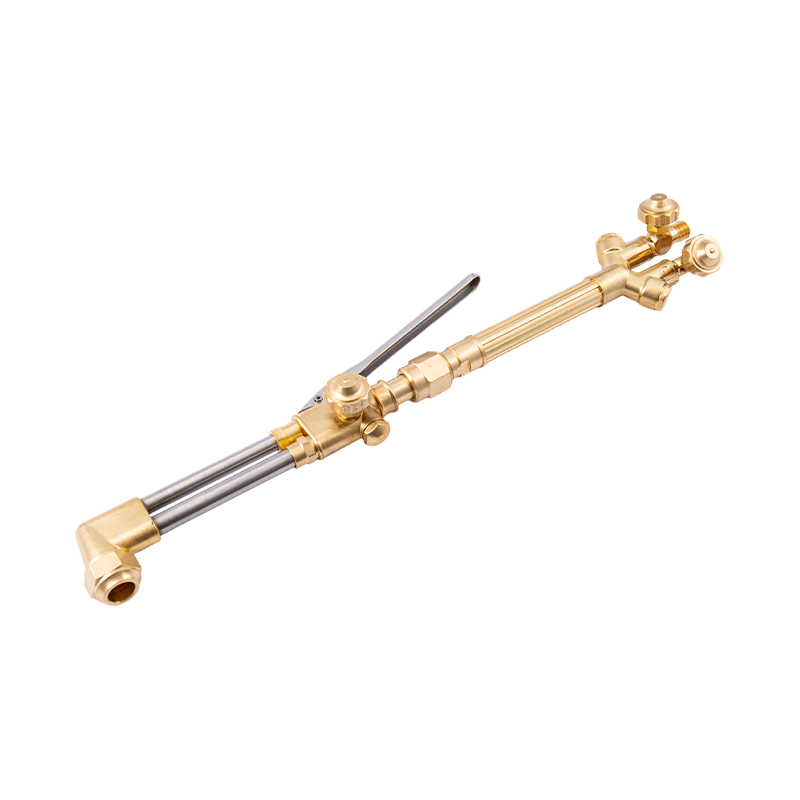
Once you settle on a fuel, the next decision is whether to build a torch from separate components or buy a matched set. For a new station, a complete outfit often saves setup errors. For example, the A217K heavy-duty cutting torch set includes a cutting attachment, a torch handle, and the oxygen equipment needed for propane-based cutting. It can also be used with acetylene after changing the tip and regulator settings.
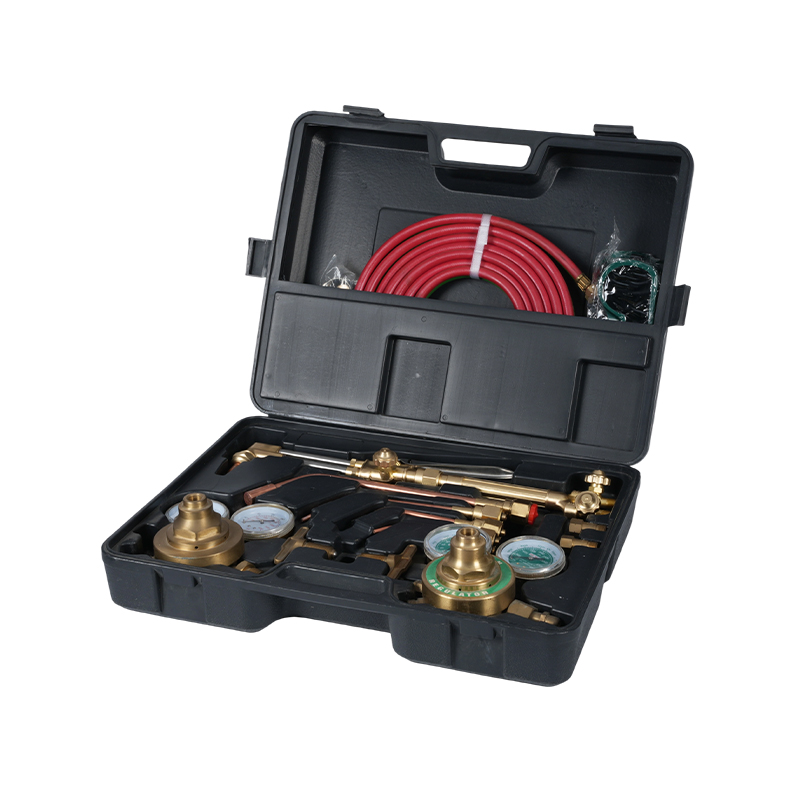 A217K Heavy Duty Cutting Torch Set Propane Cutting Attachment Oxygen Acetylene TWELDMAN is top China A217K Heavy Duty Cutting Torch Set Propane Cutting Attachment Oxygen Acetylene Torch Kit Supplier and Company, Whole...View Product →
Match the fuel to the job, match the tip to the fuel, and match the safety accessories to both. If you are unsure which gas will give you the best balance of speed and cost for your specific plate thickness and cutting schedule, contact our engineering team for a straightforward recommendation.