
 English
 中文简体
中文简体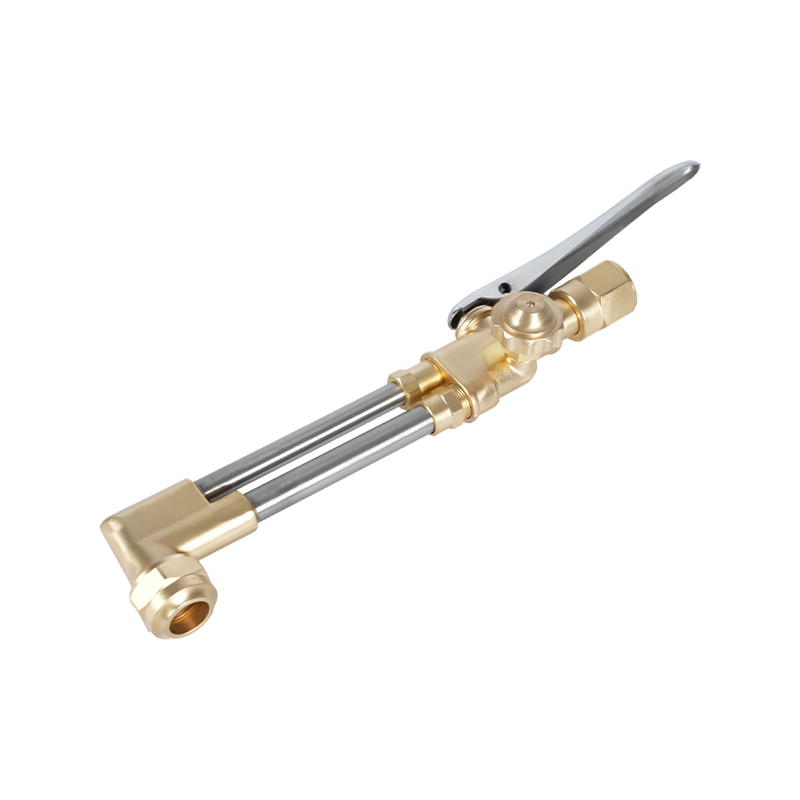
A shop has a batch of 20 mm plate waiting on the cutting table. The foreman sets the regulators to the same pressures that worked for 6 mm sheet the day before, lights the torch, and gets a cut that pops, sputters, and leaves deep drag lines. He tries another small adjustment, then another, and every cut is slightly worse.
The faster approach is to stop adjusting blindly and check the oxygen acetylene torch settings chart. The chart links tip size, metal thickness, and regulator pressures so the torch is set correctly before the flame is lit. When the right tip is matched with the right pressures, the cut is clean, the slag is light, and the tip survives much longer.
Content
What a Torch Settings Chart Actually Contains
A chart for oxy-fuel cutting is usually printed on a card, a poster, or directly on the torch handle. It lists the tip numbers in a series, the range of material thickness each tip can handle, and the recommended pressures for cutting oxygen and fuel gas. Some charts also note whether the tip produces a light, medium, or heavy preheat flame, which matters when the steel has rust, scale, or paint.
The pressure values are only guaranteed for the tip series named on the chart. Tip numbering systems differ between manufacturers, and even two tips stamped with the same number can have different orifice sizes. Treat a chart from one brand as a rough guide only when you are using another brand's tip.
Match the Tip to the Metal Thickness First
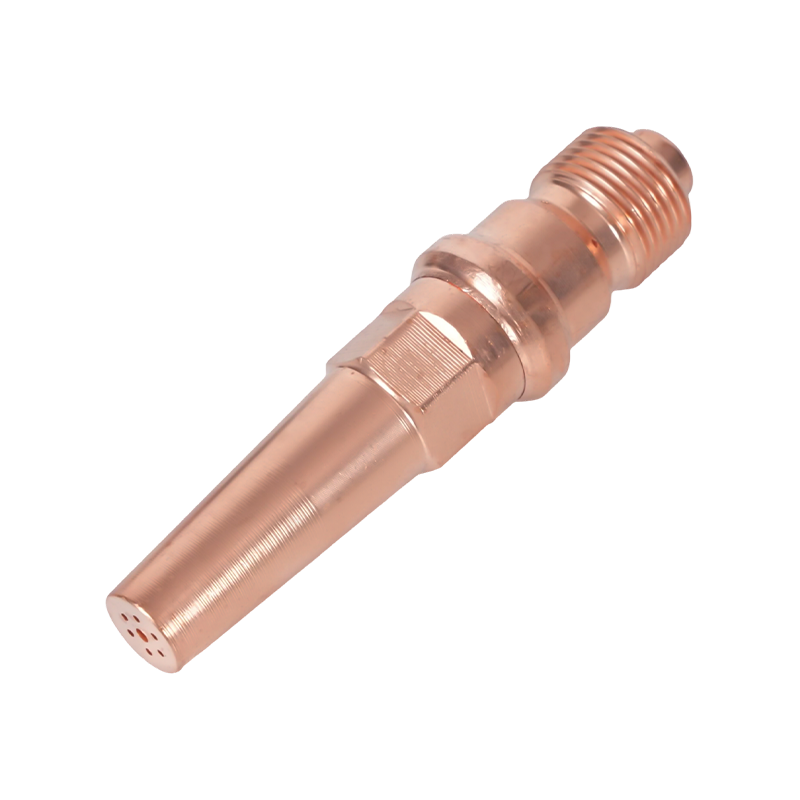
The tip number, usually stamped on the hexagonal body, controls the size of the oxygen orifice and the preheat flame. Install the tip that matches the thickness of the steel before touching the regulators. A tip that is too small cannot deliver enough cutting oxygen for thick plate, so the cutting stream loses momentum halfway down. A tip that is too large opens a wide kerf, wastes gas, and increases the risk of melting the top edge.
The table below shows typical starting points for a medium-duty oxy-acetylene cutting tip series working on mild steel. The values are close to the figures found on common manufacturer charts, but always confirm them against the chart your torch manufacturer provides.
| Tip size | Material thickness | Cutting oxygen (psi) | Acetylene (psi) |
|---|---|---|---|
| 00 | Up to 3 mm | 20-25 | 3-5 |
| 0 | 3-10 mm | 25-30 | 3-7 |
| 1 | 10-25 mm | 30-40 | 5-8 |
| 2 | 25-50 mm | 35-45 | 6-10 |
| 3 | 50-100 mm | 40-50 | 7-10 |
If the chart is missing, the stamped tip number is still the starting point. 1101 series acetylene cutting tips cover common shop sizes from light sheet to medium plate and are marked clearly enough to identify before you adjust the regulators. For a broader look at how tip design affects setup and service life, see this practical guide to cutting torch tip selection, setup, and maintenance.
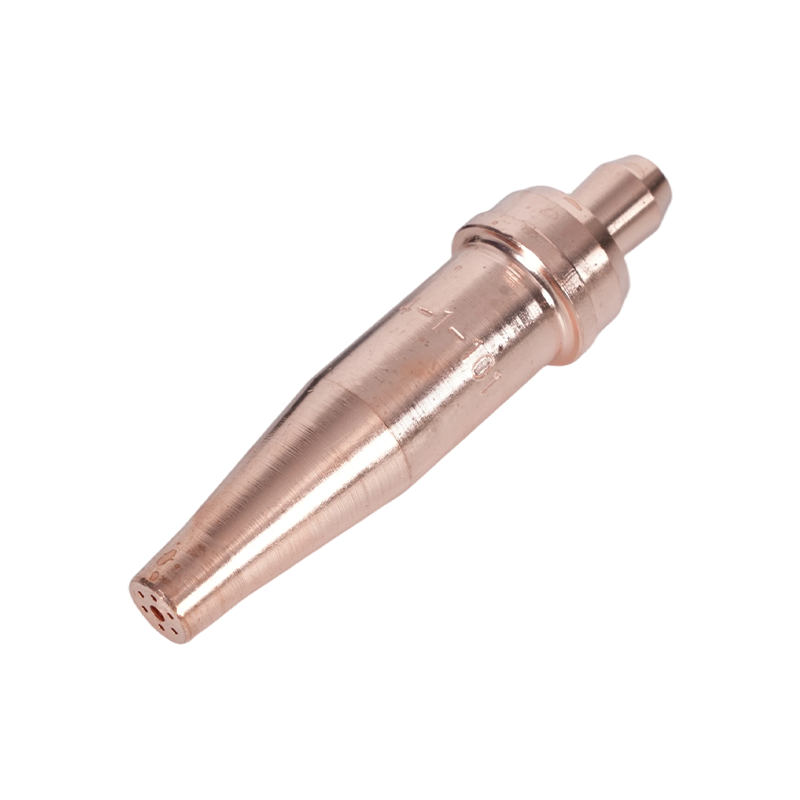 1-101 Series Acetylene Torch Tips Suppliers, Wholesale Company - NINGBO WELDMAN WELDMAN is top China 1-101 Series Acetylene Torch Tips Supplier and Company, Wholesale 1-101 Series Acetylene Torch Tips for sale, The 1-...View Product →
Pressure Ranges by Operation
The cutting chart is only one part of the picture. The same torch setup is used for welding, brazing, heating, and cutting, and each job requires a different pressure balance. The table below summarizes the ranges that appear most often on manufacturer charts for small and medium tips.
| Operation | Oxygen (psi) | Acetylene (psi) |
|---|---|---|
| Welding, small tip | 5-10 | 3-7 |
| Brazing and heating | 3-5 | 3-5 |
| Cutting, small tip | 20-40 | 5-10 |
| Cutting, heavy tip | 40-50 | 7-10 |
Notice that the cutting oxygen pressure is always the highest value in the set. The cutting oxygen stream does two jobs: it oxidizes the iron in the kerf and blows the molten oxide out of the cut. Neither job is done properly if the pressure is too low. The acetylene side stays in a narrow band because the preheat flame only needs enough fuel gas to keep a small area of metal at ignition temperature.
There is one hard limit that applies to every acetylene setup. Acetylene becomes unstable above approximately 15 psi and can decompose with explosive force. Regulator pressures above that value are dangerous, regardless of what a chart suggests. If a tip requires more acetylene pressure than the safe limit, the tip is too large for the delivery system or the hoses are too long.
Why the Chart Is a Baseline, Not a Guarantee
Charts are developed with a new tip, a clean cutting attachment, and reasonably short hoses. Real workshop conditions differ. A regulator that has been knocked off a cart may read 5 psi high. A long hose run drops pressure between the cylinder and the torch, especially when the oxygen demand is high. A tip with carbon deposits in the bore produces a distorted flame even at the exact pressure shown on the chart.
Start with the chart, then fine-tune in small steps. Set a neutral preheat flame first, with the cutting oxygen off, then add the cutting stream. If the cut is slow or the top edge melts, raise the cutting oxygen by about 5 psi. If the slag is hard to remove, the tip is probably too large or the steel has heavy scale. Document what works for your equipment; experienced operators often write the corrected pressures next to the chart on the workshop wall.
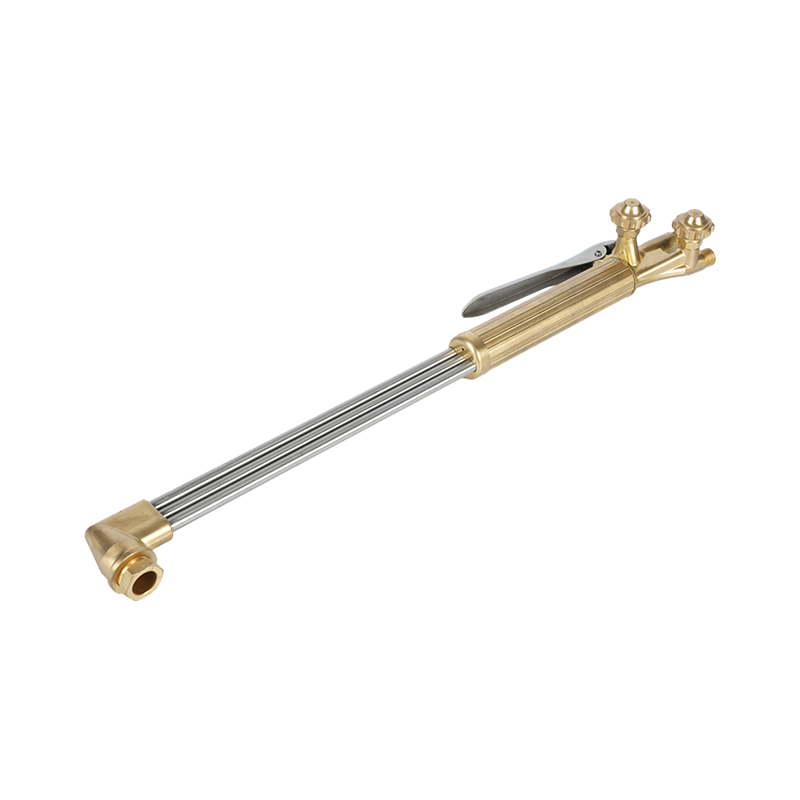
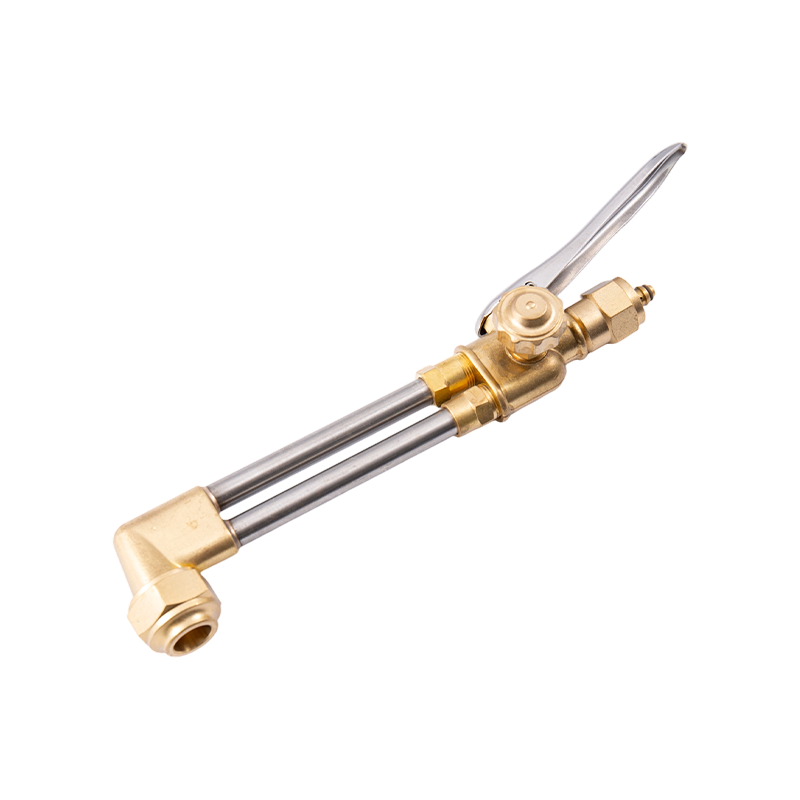
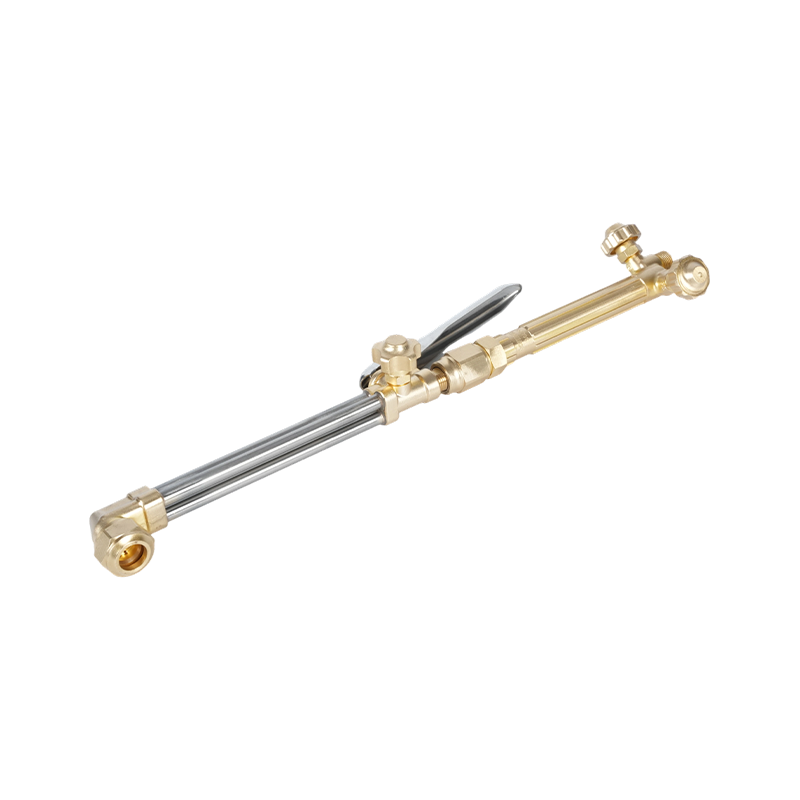
When the cutting attachment and the torch handle are not matched, the pressures on the chart become harder to reproduce. A heavy duty oxy-acetylene and propane cutting torch attachment with clean valve response, such as the A212, keeps the flame predictable and makes it easier to reproduce the chart settings.
 A212 Heavy Duty Oxy Acetylene Propane Cutting Torch Attachment Suppliers, WholesWELDMAN is top China A212 Heavy Duty Oxy Acetylene Propane Cutting Torch Attachment Supplier and Company, Wholesale A212 Heavy Duty Oxy A...View Product →
Common Mistakes That Show Up in the Cut
Most bad cuts can be traced to one of a handful of avoidable errors. Check these before changing any pressures.
- Setting acetylene above 15 psi. This is the most dangerous error in oxy-fuel work, and it will never improve the cut.
- Reading a chart from a different tip series. Tip numbering systems are not universal between manufacturers.
- Setting the regulators while the torch valves are fully closed. The reading drifts once gas starts flowing; set pressures with the torch open just enough to feel a light flow.
- Using a tip that is too small for the plate. The preheat flame cannot raise the edge to ignition temperature, and the cutting stream loses momentum before reaching the bottom of the cut.
- Ignoring the condition of the tip seat and bore. A damaged seat leaks preheat gas past the threads, and a dirty bore distorts the cutting stream.
- Starting the cut before the steel reaches ignition temperature. Waiting an extra second at the edge is cheaper than a failed cut.
The flame itself is the best real-time indicator. A neutral flame, with a sharp white inner cone and no feather on the acetylene side, gives the cleanest cut on most clean steel. If the flame flashes back into the tip, stop, let the tip cool, and inspect the seat and the bore before relighting.
Put the Chart to Work in Your Shop
Even the best chart cannot compensate for mismatched components. A cutting attachment with worn valve cones, a handle with damaged threads, or a tip that does not seat properly all distort the pressures at the flame. Sticking to one manufacturer's tip series and matching the cutting attachment to the handle reduces the number of variables.
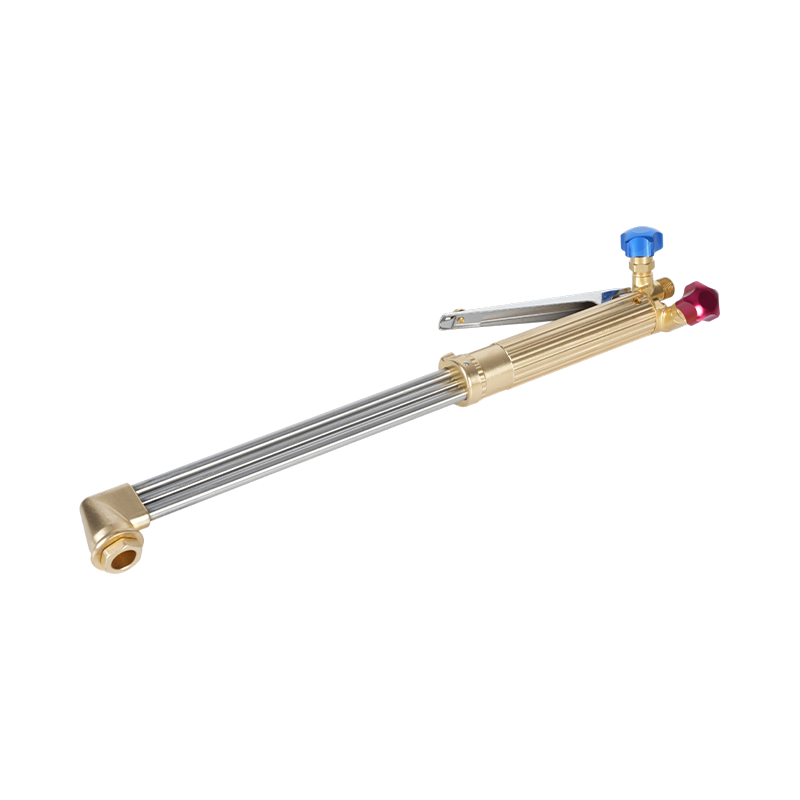
A complete outfit such as the A217K heavy duty cutting torch set includes the cutting attachment, oxygen equipment, and compatible tips in one package, so the pressures from the chart can be reproduced without mixing parts from different sources.
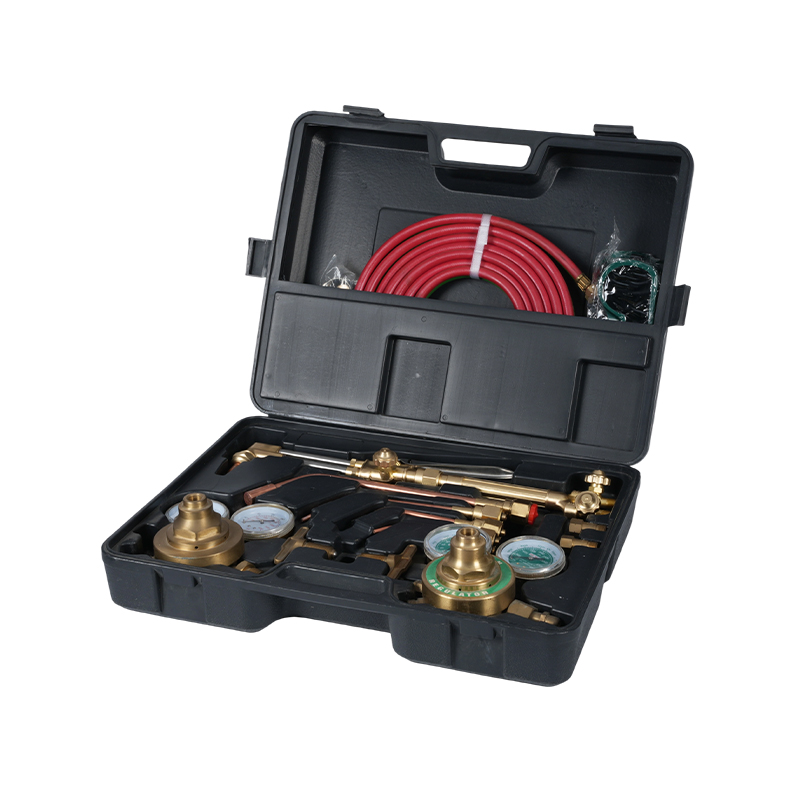 A217K Heavy Duty Cutting Torch Set Propane Cutting Attachment Oxygen Acetylene TWELDMAN is top China A217K Heavy Duty Cutting Torch Set Propane Cutting Attachment Oxygen Acetylene Torch Kit Supplier and Company, Whole...View Product →
If your shop needs help selecting a tip series or a cutting attachment for the plate thickness you normally handle, contact us with your torch model and material range, and we will point you to the right components.