+86 13735352727

Gas Pressure Regulators Factory

Home / Products / Gas Pressure Regulators

Gas Pressure Regulators Manufacturers

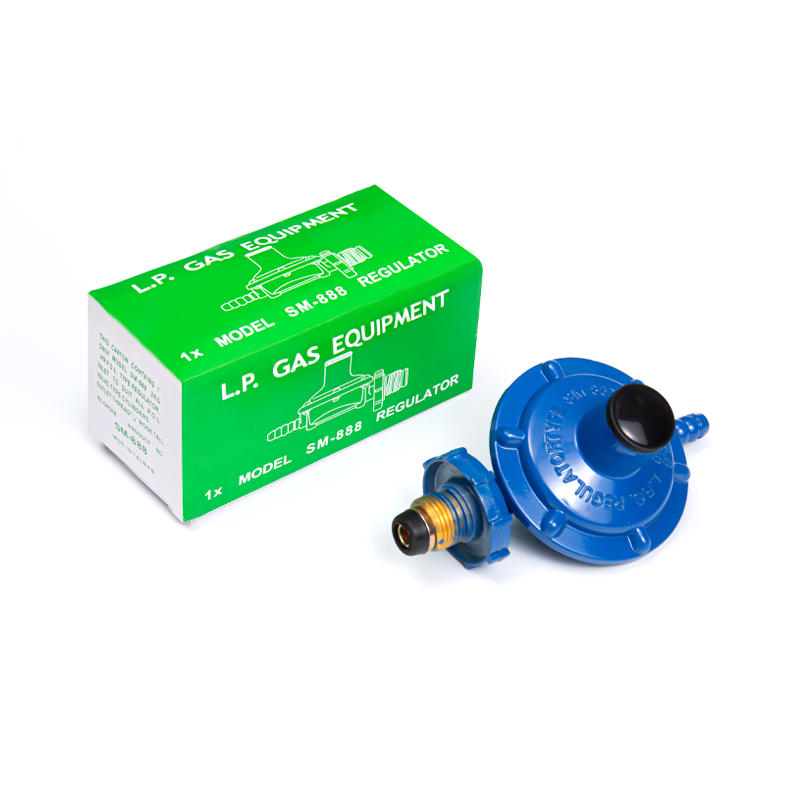
Gas Pressure Regulators are essential devices designed to ensure stable, safe, and efficient control of gas flow in a wide range of applications. Built with high-quality materials and precision engineering, they deliver consistent pressure output, protecting both equipment and operators from sudden fluctuations. One of the key features of Gas Pressure Regulators is their reliability—by maintaining a steady gas supply, they help improve cutting, welding, heating, or laboratory processes with greater accuracy and efficiency. Their user-friendly design allows for easy adjustment and monitoring, while durable construction ensures long service life even in demanding environments. From industrial manufacturing and construction to medical, laboratory, and home use, Gas Pressure Regulators play a vital role in achieving performance and safety. Whether controlling oxygen, acetylene, or other gases, they provide the confidence and precision needed for professional results, making them an indispensable tool for industries and individuals alike.

About Us
NINGBO WELDMAN TECHNOLOGY CO.,LTD.

Ningbo WELDEMAN Technology Co., Ltd. is a manufacturer and supplier of gas welding and cutting tools in China, with 20 years of manufacturing experience. OEM/ODM Gas Pressure Regulators Manufacturers and Gas Pressure Regulators Factory in China. It has two production bases, namely Ningbo Dongnuo Welding and Cutting Tools Co., Ltd. and Shaoxing Dongnuo Tools Co., LTD. It also has its own forging factory and processing and testing workshop. With its own brand "DONUO", the company also provides OEM/ODM services for globally renowned companies in this industry. Since its establishment, the company has strictly adhered to the ISO9001 standard to ensure that its products meet the international quality standards. Under the same quality requirements, we are more price-competitive. Supply Gas Pressure Regulators Custom. We invite you to contact us for more information and to discover how we can work with you to achieve our goals.

Certificate
  • Certificate
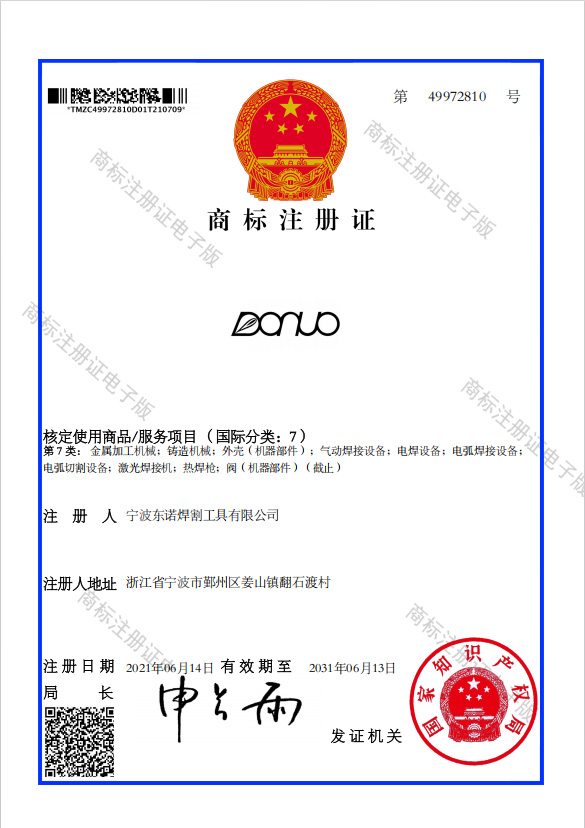
  • Trademark Registration
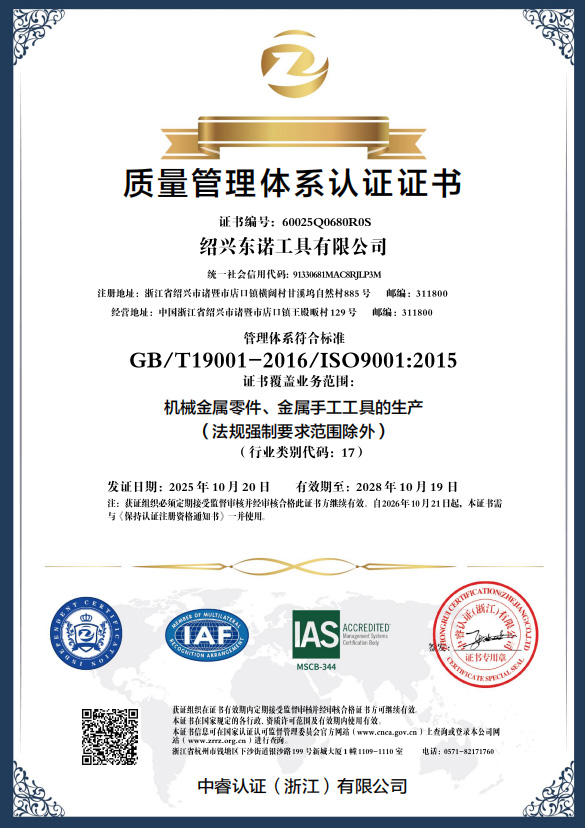
  • Quality Management System
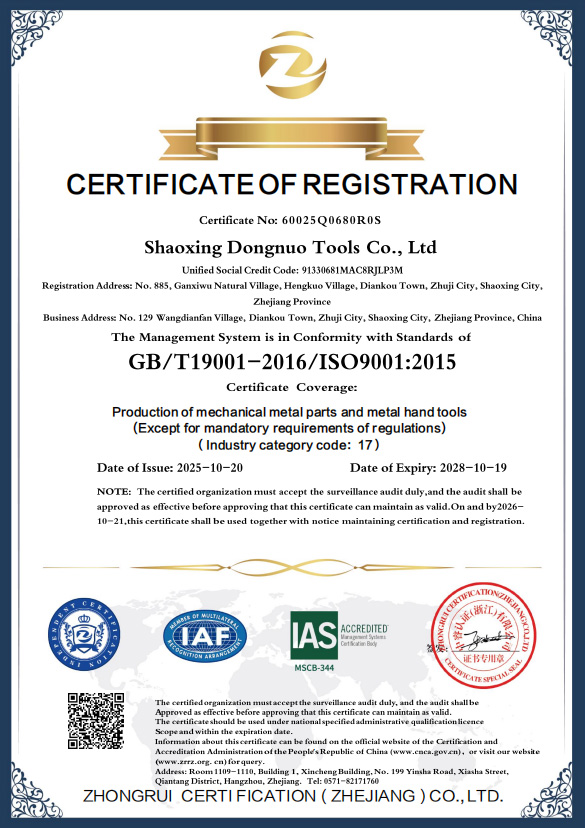
  • CERTIFICATE OF REGISTRATION
News
  • Gas Pressure Regulators: What They Do and Why Getting It Right Matters A gas pressure regulator is a mechanical control device that reduces a high, variable inlet pressure to a steady, lower outlet pressure suitable for downstream equipment. Without a properly matched regulator, appliances, industr...

    READ MORE
  • A high-quality cutting torch kit delivers precise, efficient metal cutting for fabrication, repair, and DIY projects when matched to your material thickness and fuel type—with proper safety gear and maintenance, these kits provide professional results for years of reliable service. Core Components ...

    READ MORE
  • Cutting Torch Kits Provide Proven Oxy-Fuel Cutting Capability Cutting torch kits are complete oxy-fuel systems engineered to deliver controlled combustion and high-pressure oxygen for cutting carbon steel. Their strength lies in simplicity, deep cutting capacity, and consistent performance across h...

    READ MORE
Industry knowledge

Understanding Gas Pressure Regulator Types

Gas pressure regulators are designed to control the flow and pressure of gases such as acetylene, propane, or oxygen in welding and cutting operations. Selecting the correct type can significantly improve operational safety and efficiency. From my experience at Ningbo Dongnuo, high-quality brass alloy forging ensures long-lasting stability in our regulators.

Single-Stage vs Dual-Stage Regulators

Single-stage regulators reduce the cylinder pressure to the working pressure in one step, making them simpler and lighter. Dual-stage regulators, however, reduce pressure in two steps, offering more stable output even when cylinder pressure drops significantly. I often recommend dual-stage models for professional cutting applications where precision is critical.

  • Single-stage: Compact, cost-effective, best for short-term use.
  • Dual-stage: Stable output, suitable for long-duration operations, less frequent adjustments needed.

Choosing the Right Pressure Range

Different welding or cutting tasks require specific gas pressures. The working pressure should match the type of flame and thickness of the material. For example, propane cutting often requires 1.0–2.5 bar, while oxygen for welding may need 2–4 bar. At Ningbo Dongnuo, our regulators are calibrated precisely to provide consistent pressure output for various industrial needs.

Factors Affecting Pressure Selection

  • Material thickness and type
  • Type of gas being used
  • Duration of operation
  • Environmental conditions such as temperature and wind

Regulator Maintenance and Safety Tips

Proper maintenance of gas pressure regulators can prevent leaks, accidents, and poor performance. Inspecting regulators regularly and replacing worn diaphragms or seals can prolong service life. I always emphasize that using a durable, precision-processed regulator, like those we manufacture, reduces downtime and ensures operator safety.

Practical Maintenance Checklist

  • Check for visible damage or corrosion on the body and fittings
  • Verify gauges are functioning and calibrated correctly
  • Inspect hoses and connections for leaks using soap solution
  • Replace worn O-rings and seals immediately
  • Store regulators in a clean, dry environment

Understanding Flow Meters and Combined Systems

Flow meters are often used with gas regulators to measure gas consumption and ensure proper cutting or welding efficiency. Integrated systems combining regulators and flow meters provide convenience and precise control. At our Ningbo Dongnuo facility, we focus on crafting reliable combined units that meet diverse industrial requirements.

Comparison of Regulator-Only vs Combined Systems

Feature Regulator Only Combined System
Cost Lower Higher
Accuracy Moderate High
Convenience Separate adjustments required Single integrated adjustment
Maintenance Easier to replace parts individually Slightly more complex, but fewer total components