
 English
 中文简体
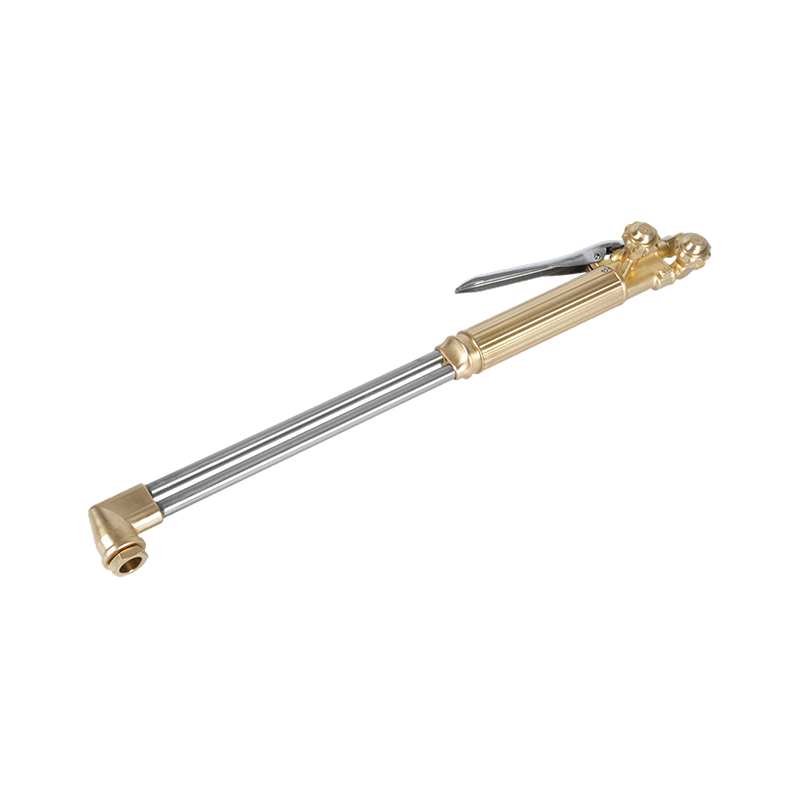
A properly adjusted oxy-acetylene torch produces a neutral flame of about 3,300°C (6,000°F) at the tip of the inner cone, and normal working values stay in the 3,100–3,300°C (5,600–6,000°F) range. That makes it the hottest practical gas flame in metalworking, clearly ahead of oxygen-propane or oxygen-MAPP flames.
This heat is the reason oxy-acetylene equipment remains the default for gas welding, cutting, brazing, and local heating after more than a century of industrial use. The sections below explain where the temperature comes from, how it is distributed across the flame, and what it means when you select, set up, or operate a torch.
Content
What Exactly We Measure When We Talk About Flame Temperature
An "acetylene torch" in shop language is an oxy-acetylene torch: acetylene fuel mixed with oxygen instead of atmospheric air. The flame is not one uniform block of heat. It has three zones with very different temperatures, and knowing which zone is being measured matters for every job.
| Flame zone | Approximate temperature | Role in the job |
|---|---|---|
| Inner cone (primary flame) | 3,100–3,300°C (5,600–6,000°F) | Hottest zone; used for welding and for cutting preheat |
| Middle envelope (secondary flame) | 1,800–2,800°C (3,300–5,100°F) | Softer heating area for brazing and preheating |
| Outer edge of the flame | 500–1,200°C (900–2,200°F) | Shielding; spreads heat over a wider area |
For most cutting and welding operations, the number that matters is the temperature of the inner cone, because that is the point you aim at the metal. The cooler outer envelope is still hot enough for preheating workpieces and brazing. The three flame settings change the picture:
- Neutral flame — balanced oxygen and acetylene; delivers the highest clean working heat and is the correct setting for virtually all cutting and welding.
- Carburizing flame — excess acetylene; runs cooler, produces soot, and adds carbon. Use it only for special cases such as flame hardening.
- Oxidizing flame — excess oxygen; burns with a sharper hiss and can be slightly hotter, but it oxidizes the weld metal and is reserved for a few bronze jobs.
So when someone quotes the temperature of an acetylene torch, they mean the neutral flame's inner cone. Because the neutral flame is the reference point, the rest of this article uses it unless stated otherwise.
Why Acetylene Produces the Hottest Gas Flame
Acetylene (C2H2) releases a large amount of heat per unit of gas during combustion, but that alone is not why it wins. The deciding property is flame speed. The acetylene-oxygen reaction propagates much faster than propane or MAPP reactions, so the released energy concentrates in a small, intense zone instead of spreading out. Propane delivers more total energy per kilogram of fuel, but its flame is broader and cooler because the reaction is slower.
| Fuel gas | Approximate maximum temperature with oxygen |
|---|---|
| Acetylene (C2H2) | 3,100–3,300°C (5,600–6,000°F) |
| MAPP gas | 2,900–3,000°C (5,300–5,400°F) |
| Propane (C3H8) | about 2,800°C (5,100°F) |
| Natural gas (methane) | about 2,700°C (4,900°F) |
If you run acetylene with plain air, the temperature drops to roughly 2,400°C (4,400°F), which is why shop air supplies are not used for cutting steel. The high temperature, combined with concentrated heat release, is also why acetylene remains the preferred gas for fusion welding of steel rather than just for heating.
What 3,300°C (6,000°F) Means in Practice
The full flame temperature is not what melts steel in cutting. Oxy-fuel cutting works by bringing carbon steel to its ignition temperature in an oxygen stream, roughly 870–980°C (1,600–1,800°F) depending on the alloy. The torch flame performs the preheating; the oxygen lever then burns the hot iron and blows it away. That is why a thick plate needs a longer preheat but the cut then runs at a steady speed.
- Cutting — preheat the edge to bright red, then start the oxygen jet; the inner cone temperature leaves plenty of margin even in cold workshops.
- Fusion welding — the inner cone melts the base metal quickly enough that filler rod and base metal fuse in one puddle without overheating the surrounding area.
- Brazing and silver soldering — the controllable outer flame heats mating parts fast while keeping the filler metal below its melting range until you need it.
- Heating, bending, and straightening — the wide flame envelope helps with shrinking and straightening shafts and plates where slow, even heating matters more than peak temperature.
In short, the high peak temperature gives you speed and control. A lower-temperature flame such as propane can still cut steel if the operator is patient, but production shops choose oxy-acetylene because the heat arrives quickly and can be aimed precisely.
Why the Real Flame Runs Hotter or Cooler Than the Book Value
Manufacturers quote ideal flame temperatures measured in a lab. On a real bench, several things pull the working value away from that number:
- Gas ratio — drifting from the neutral setting changes the flame character; a carburizing flame cools the zone and coats the work with soot.
- Tip size — a tip chosen for thin sheet produces a small flame that starves thick plate of heat; a tip too large for the job creates noise and waste.
- Tip condition — carbon build-up, spatter, or a damaged seat distorts the flame cone and drops effective heat transfer sharply.
- Working distance — the inner cone should hover roughly 2–4 mm from the work; too far back and most of the heat is lost to the air.
- Gas supply quality — moisture, leaks, or mismatched pressure settings make the flame sputter and cool the zone unevenly.
None of these problems mean the torch cannot reach the rated temperature. They mean the setting and condition of the equipment determine what you actually get at the workpiece.
Choosing a Tip and Torch That Deliver the Heat
The easiest way to lose most of the theoretical temperature advantage of acetylene is to use the wrong nozzle. Acetylene cutting tips have smaller gas passages than propane tips, and they cannot be exchanged between fuel types. For any job, match three things: the tip series to the torch, the tip size to the plate thickness, and the cutting attachment to the handle class (light, medium, or heavy). In our own production, we see that a mismatched set is almost always the reason a shop reports its torch "doesn't get hot enough."
Acetylene tips are produced in many numbered series to suit different torch brands and regional standards. If you are setting up a station, it is worth reading the selection and maintenance guidance for cutting torch tips and nozzles so that you order the right seat size and gas drilling the first time.
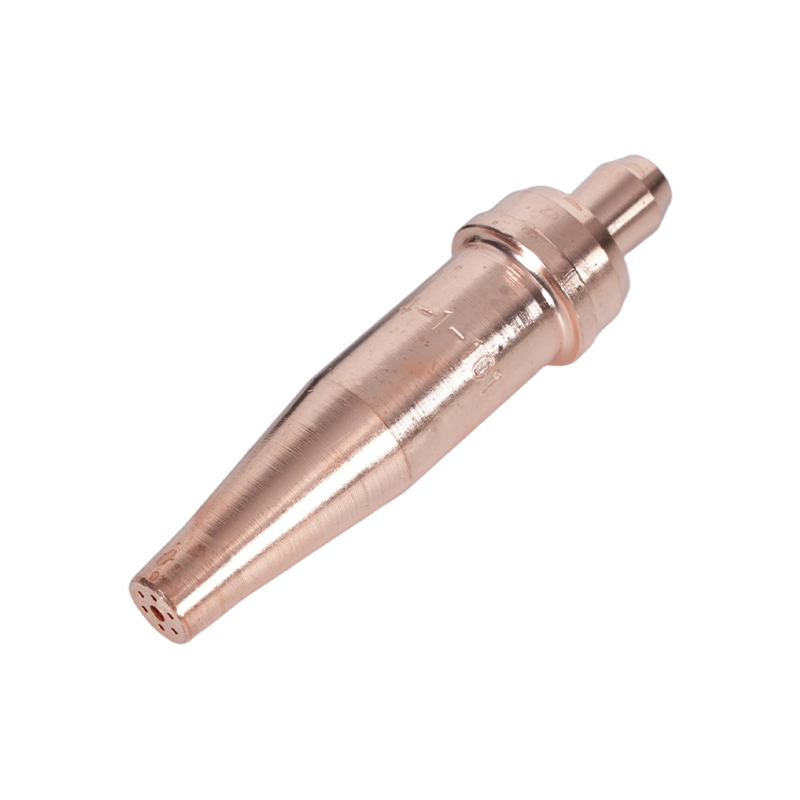 1-101 Series Acetylene Cutting Torch TipsThese standardized 76mm acetylene tips fit multiple torch models and handle steel from 5 to 200mm, making them a practical choice when selecting the right tip size for your station.View Product →
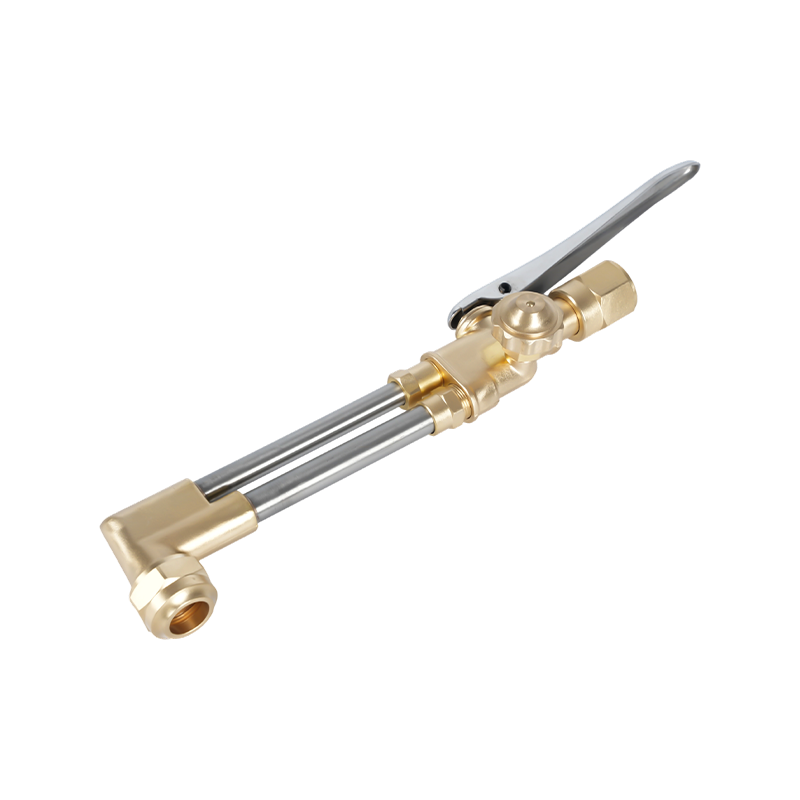
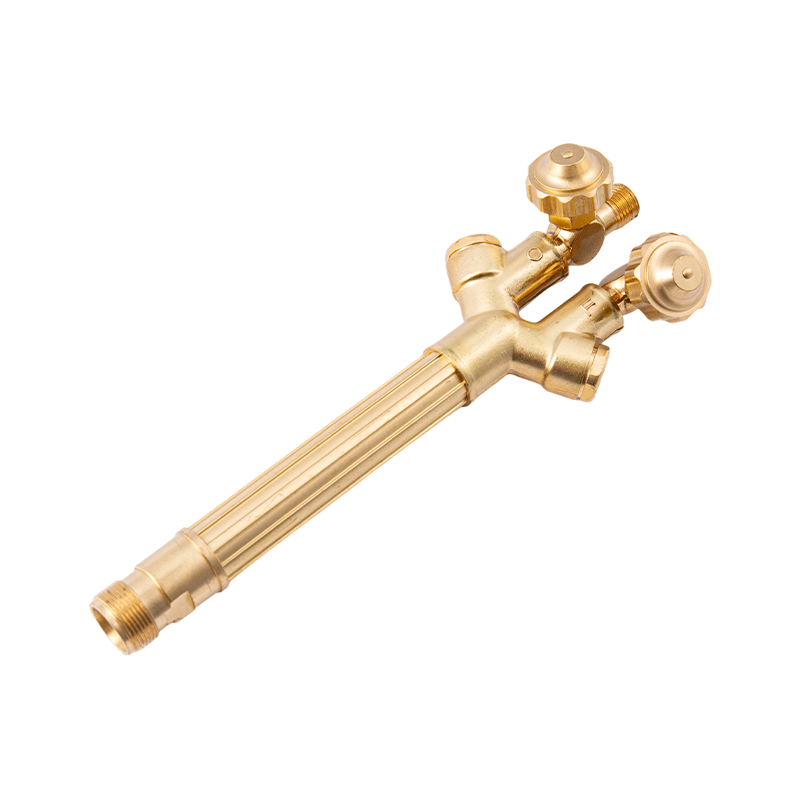
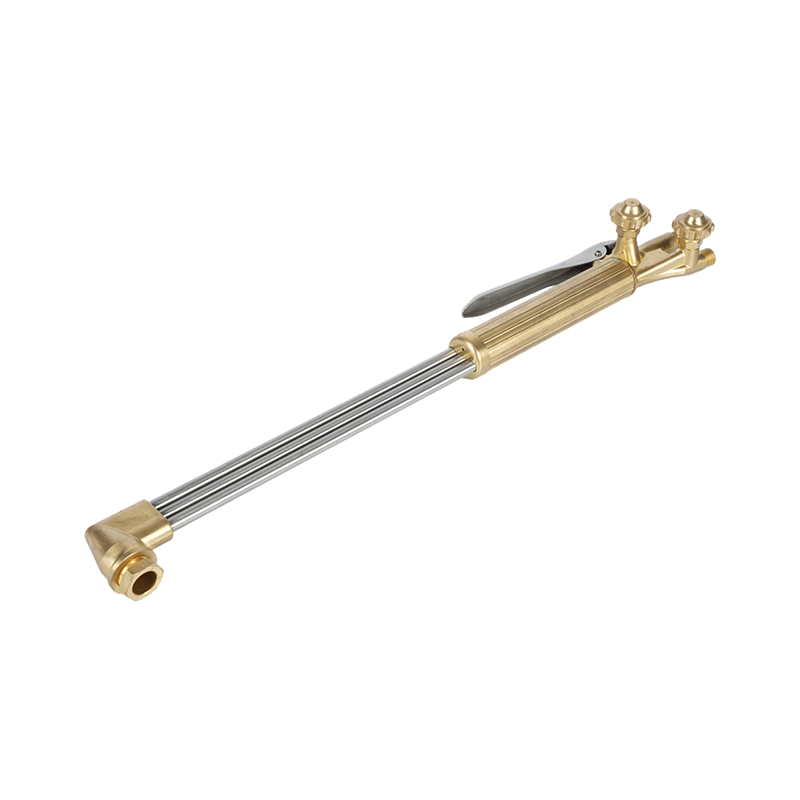
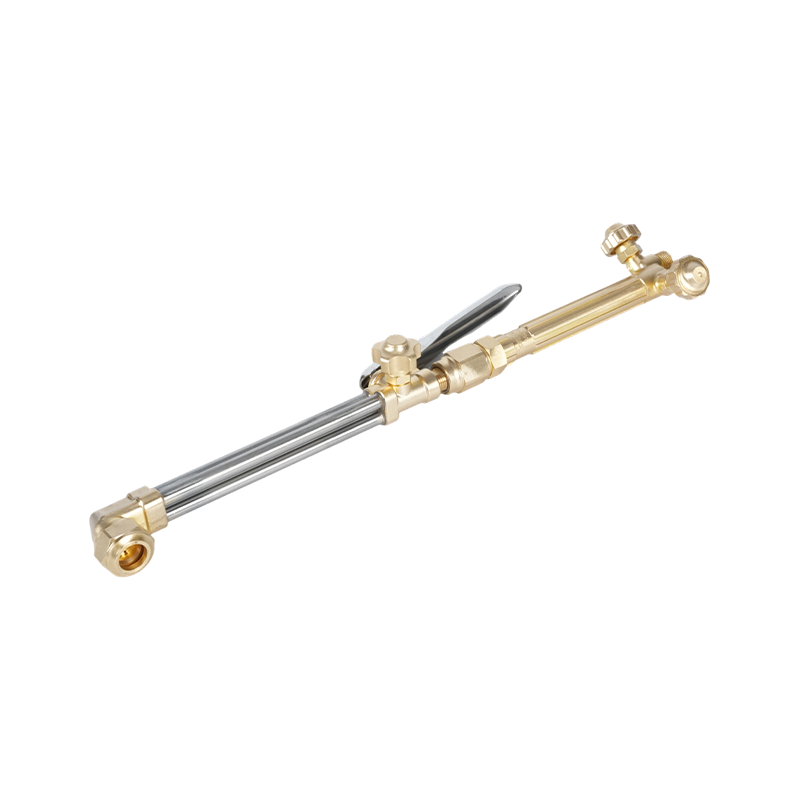
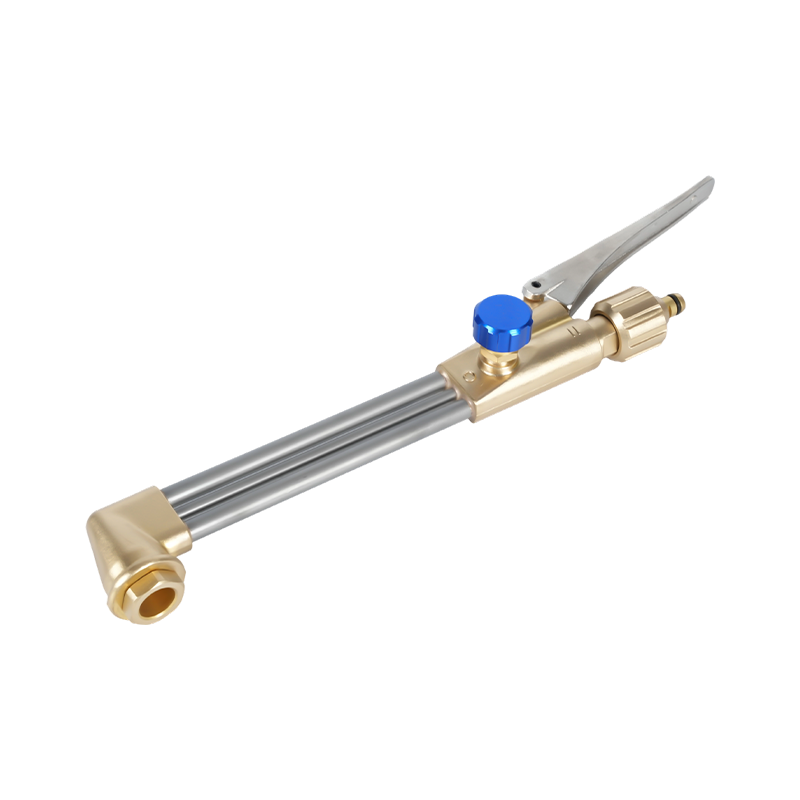
On the torch side, a heavy-duty cutting torch is the right basis for daily steel cutting: it holds the attachment firmly, provides even gas flow, and handles thicker plate with shorter preheat times. For users working with both oxy-acetylene and propane, a torch designed to switch between the two gases is practical, provided the attachment and tips are changed together.
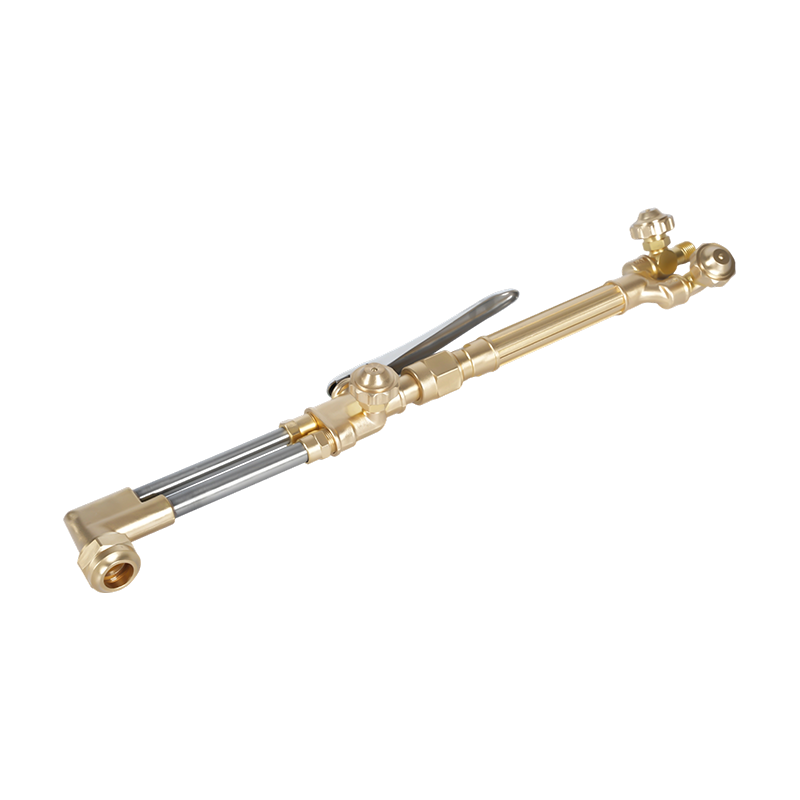 A217 Heavy Duty Oxy Acetylene Propane Cutting Torch KitThis heavy-duty kit pairs the A212 attachment with the A211 handle, offering smooth gas flow control for cutting, brazing, or heating. It suits users needing a robust, versatile torch.View Product →
Also check the regional style before buying components: American-style, Australian-style, British-style, and Japanese-style torches and tips are not interchangeable. Buy from a manufacturer that covers your local standard, so replacement tips remain available for the life of the torch.
Working Safely at These Temperatures
At 3,300°C, the real risk is not the flame itself but everything around it. Backflow of the flame into the hose or the mixer creates a flashback, which can burst a line or damage the torch in milliseconds. The standard protection is a flashback arrestor fitted at the torch and at the regulator, plus a check valve where regulations require one.
 B288 Series Oxy Acetylene Flashback ArrestorDesigned to prevent flashbacks and reverse gas flow, this arrestor adds essential protection to your torch and regulator. It helps keep gas lines safe during high-temperature cutting work.View Product →
- Acetylene pressure — never set the acetylene regulator above 15 psi (about 1.0 bar); acetylene becomes unstable and can decompose at higher pressures.
- Cylinder handling — keep acetylene cylinders upright, secure them, and store them away from heat sources.
- Fittings and hoses — keep oxygen fittings free of oil and grease, and inspect hoses for cracking before every heavy job.
- Ventilation and PPE — work in a ventilated space and use welding gloves and shaded eye protection that suit gas work.
None of this is optional at these temperatures. A flashback arrestor costs little compared with the line it protects, and the same logic applies to a properly cleaned tip: every component of the gas path is part of the tool's performance.
If you are setting up a station and want one reliable answer: the neutral oxy-acetylene flame reaches roughly 3,100–3,300°C (5,600–6,000°F) at the inner cone, and the working temperature depends on tip size, tip condition, and how close you hold the flame to the metal. The fuel is not the limiting factor; the matching of torch, tip, pressure, and safety equipment is.
If you are sourcing torch bodies, cutting attachments, or replacement tips, contact our team with the plate thickness, fuel gas, and regional standard you work to, and you can get components matched to the flame temperature your job actually needs.