
 English
 中文简体
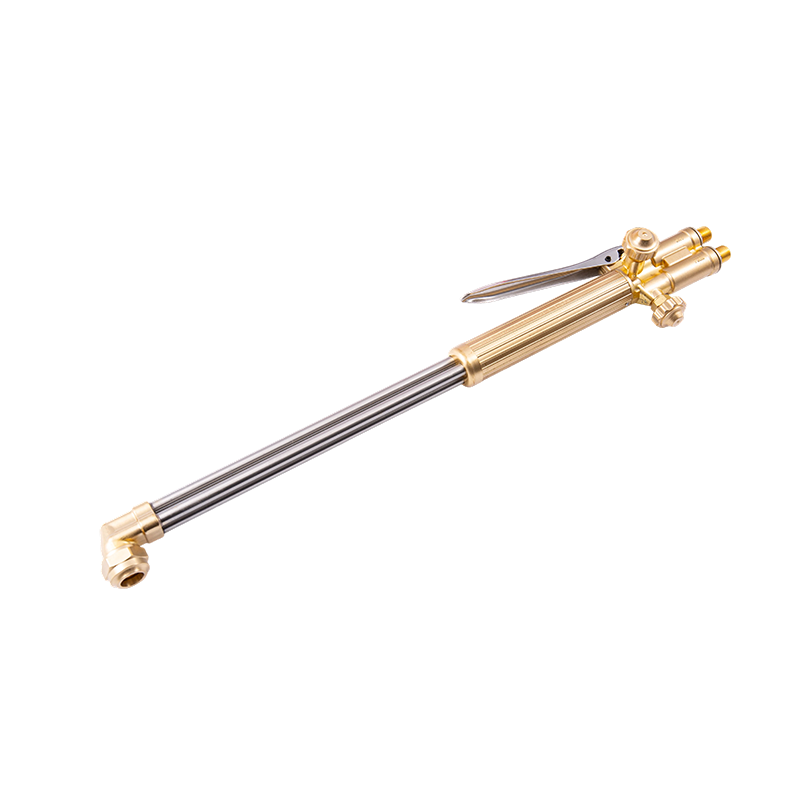
A fabricator preparing to cut 25 mm steel plate has a practical question: how hot is an acetylene torch? The useful answer is about 3,150 to 3,330°C (5,700 to 6,030°F) when acetylene burns with oxygen in a correctly adjusted torch. That is the maximum flame temperature, not the temperature of the metal or the average temperature of the whole flame. The hottest region is a small zone just ahead of the bright inner cone.
Acetylene burned in air is much cooler, roughly 2,400 to 2,500°C. That is still hot enough for soldering and small heating jobs, but it is not the flame used for serious steel cutting. Once oxygen is added, the flame temperature rises sharply, and the torch can cut, weld, braze, or heat metal quickly. The number moves with gas ratio, tip size, oxygen purity, and operating pressure, so treat any single figure as a working range rather than a laboratory constant.
Content
- 1 The Short Answer: How Hot Is an Acetylene Torch?
- 2 Why an Oxy-Acetylene Flame Reaches Such High Heat
- 3 Flame Temperature Comparison for Common Fuel Gases
- 4 What Changes the Real Temperature at the Tip
- 5 How Hot Is Hot Enough for Cutting, Welding, and Heating?
- 6 Safety and Equipment Choices That Affect Temperature
- 7 Practical Buying Considerations for Acetylene Torches
The Short Answer: How Hot Is an Acetylene Torch?
In a neutral oxy-acetylene flame, the maximum temperature is commonly quoted as 3,150°C. Other reliable references place the peak nearer 3,300°C. The difference comes from measurement method, oxygen purity, tip design, and the exact point where the temperature is taken. For shop planning, a range of 3,150 to 3,330°C is practical and honest.
The flame has two main zones. The inner cone is where acetylene and oxygen begin to react. The outer envelope is where the remaining gases burn with surrounding air. The highest temperature is not at the tip mouth and not in the long outer feather. It sits just beyond the inner cone, where the primary combustion is most complete. That is why a welder adjusts the flame by eye: the length and shape of the inner cone tell more about heat concentration than a gauge reading alone.
Why an Oxy-Acetylene Flame Reaches Such High Heat
Acetylene is C2H2, a compact hydrocarbon with a high heat of combustion. When it reacts with pure oxygen, the primary reaction releases a large amount of energy in a very small volume. The flame also has a high flame speed, so the reaction stays stable at the tip and produces a concentrated heat source.
Propane, natural gas, and MAPP gas can all cut steel when paired with oxygen, but their flame temperatures are lower. Lower temperature is not automatically a disadvantage. Propane is often cheaper and safer to store, and it produces a broader heat pattern that can be useful for heating. For fast preheat, narrow kerf, and high-temperature welding or brazing, acetylene remains the benchmark fuel gas.
Flame Temperature Comparison for Common Fuel Gases
| Fuel gas with oxygen | Typical peak flame temperature | Practical note |
|---|---|---|
| Acetylene | 3,150–3,330°C (5,700–6,030°F) | Highest temperature; fast preheat and concentrated flame |
| Propane | 2,800–2,900°C (5,070–5,250°F) | Lower temperature; good for heating and slower cutting |
| MAPP | 2,900–3,000°C (5,250–5,430°F) | Middle range; often used where acetylene storage is restricted |
| Natural gas | 2,700–2,800°C (4,890–5,070°F) | Lowest of this group; convenient where piped gas is available |
| Acetylene in air | 2,400–2,500°C (4,350–4,530°F) | Not used for heavy cutting; small heating and soldering |
For cutting, the flame does not need to melt the steel. It needs to bring a small spot to the kindling temperature, roughly 870°C for mild steel, after which the oxygen stream burns the iron. A hotter acetylene flame reaches that point faster and puts less total heat into the plate, which helps control distortion.
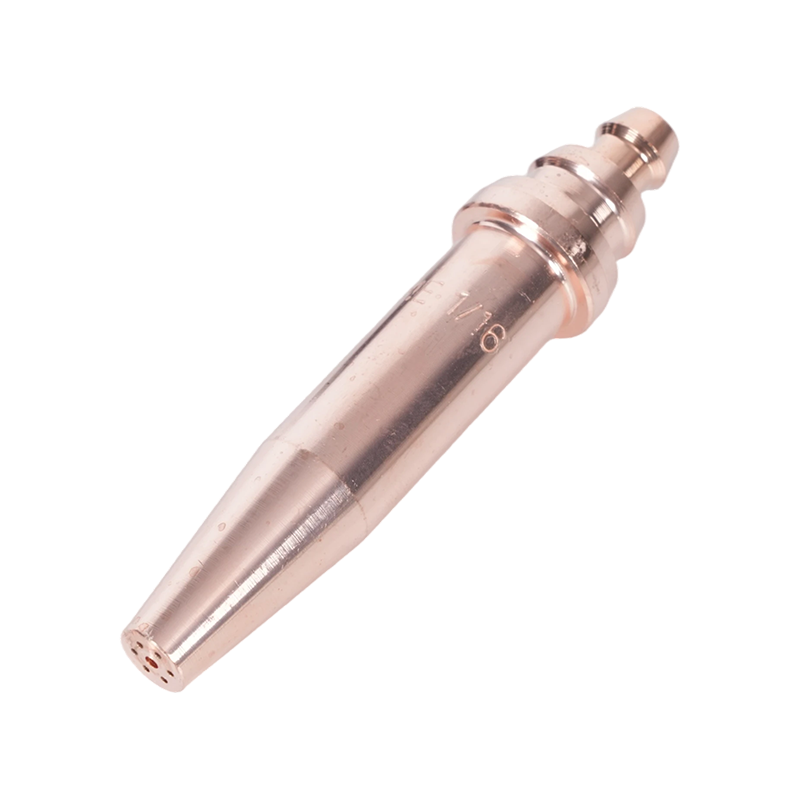
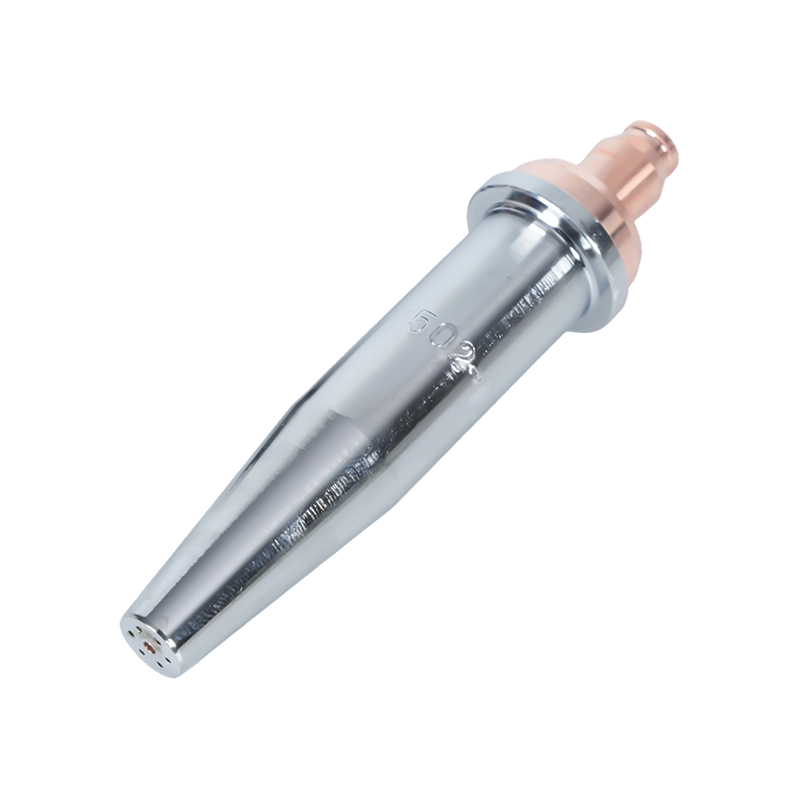 1502 Series Acetylene Cutting Torch Tip for Metal CuttingAcetylene cutting tip for professional metalworking, positioned where preheat efficiency and flame control affect cut quality and distortion.View Product →
What Changes the Real Temperature at the Tip
Several variables decide whether the flame behaves like a 3,150°C tool or a disappointing 2,800°C one. They are the same variables that decide cut quality, gas consumption, and safety.
- Oxygen purity: 99.5% oxygen gives a sharper, hotter flame than lower-purity oxygen or contaminated supply.
- Gas ratio: A neutral flame has a clear, rounded inner cone. An oxidizing flame is shorter and louder; a carburizing flame has a feathery acetylene excess. Only the neutral or slightly oxidizing flame is used for most cutting.
- Tip size and condition: A worn, enlarged, or blocked orifice changes gas velocity and flame shape. A tip rated for the plate thickness keeps heat concentrated.
- Regulator pressure and flow: Too little flow produces a soft flame. Too much flow can lift the flame or waste gas without adding useful heat.
- Tip cleaning and spatter: Dirt, slag, and oil disturb the gas mixture. Clean tips cut faster and safer.
- Technique: Travel speed, standoff, and preheat time decide how much of the flame's heat reaches the metal.
A torch that is correctly matched to the job gives a stable inner cone and a steady cutting oxygen stream. If the flame changes shape when the cutting lever is pressed, the tip or pressure setting is wrong, and the effective heat at the cut will drop.
How Hot Is Hot Enough for Cutting, Welding, and Heating?
Cutting
For oxy-acetylene cutting, the flame preheats the steel to its ignition temperature, usually around 870°C (1,600°F) for mild steel. At that point the oxygen jet reacts with iron and blows molten oxide out of the kerf. The flame temperature of 3,000°C or more gives a large margin, so cutting speed depends more on preheat efficiency and oxygen flow than on raw flame temperature.
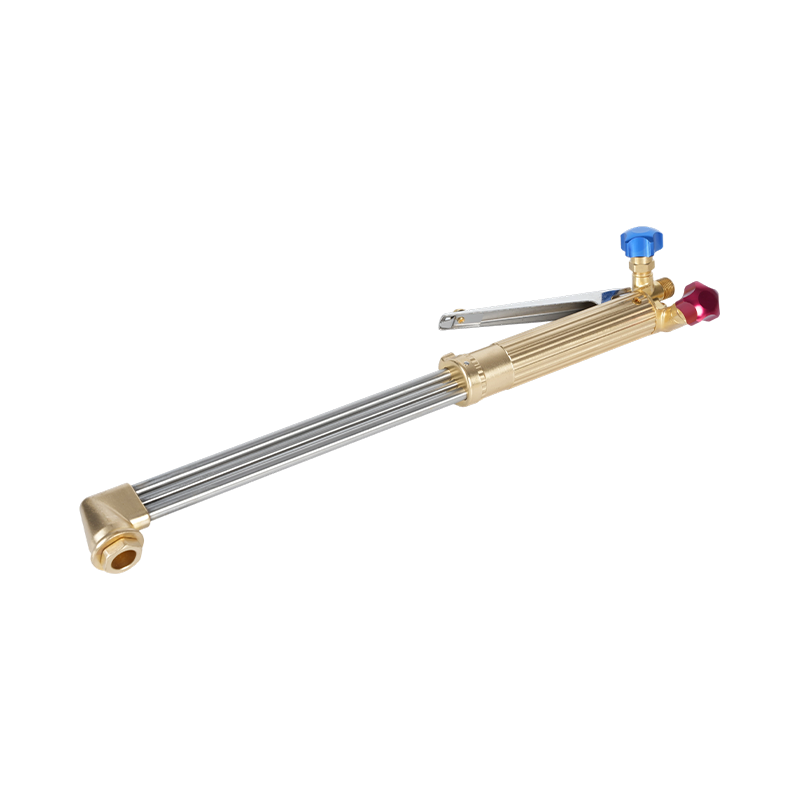
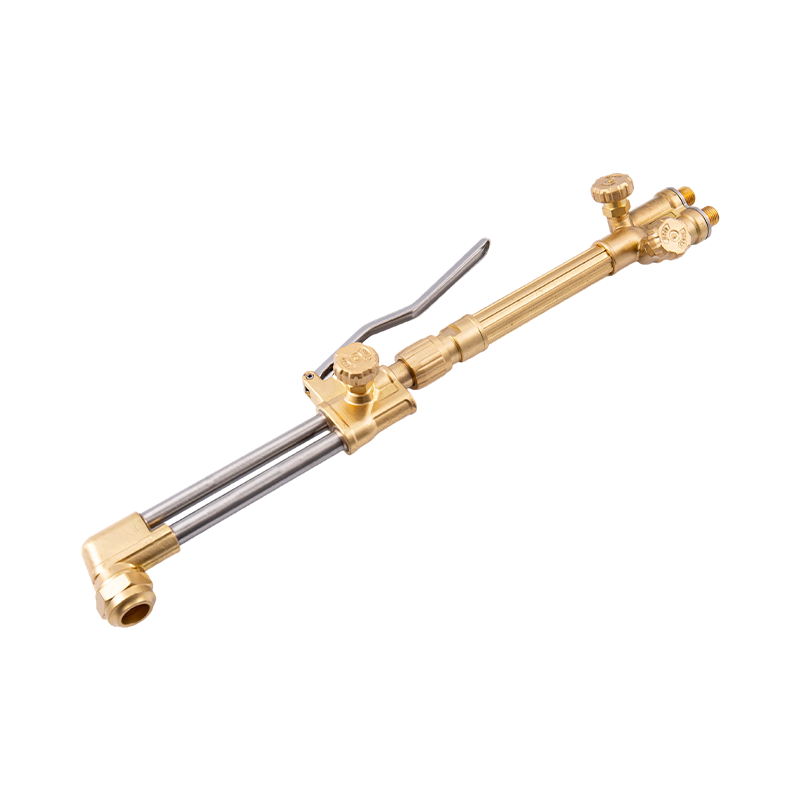
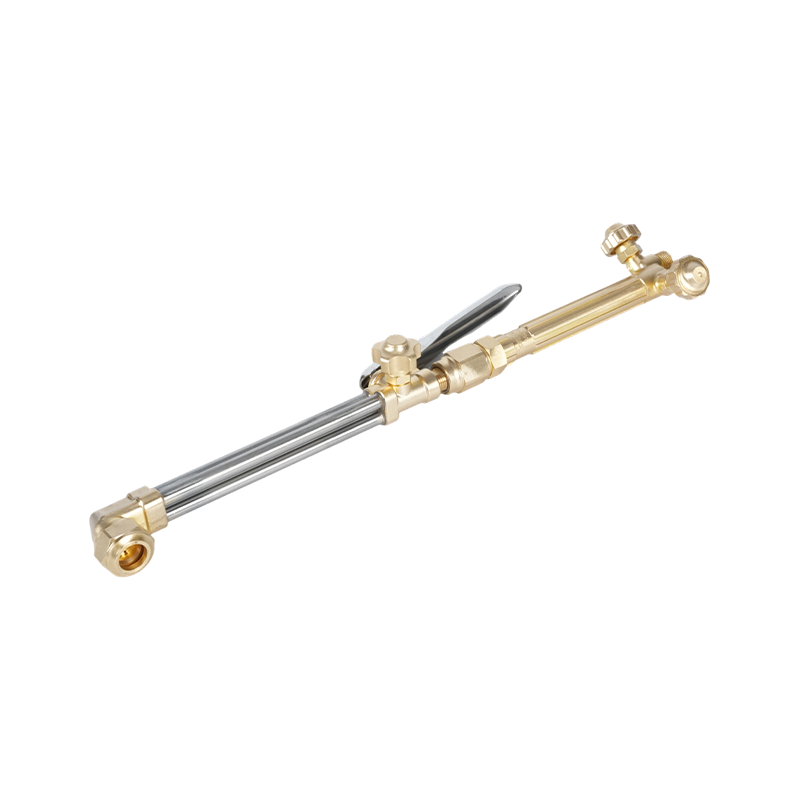
 E250 Heavy-Duty Handheld Acetylene Torch for Professional CuttingHeavy-duty handheld torch for acetylene or propane cutting, with stainless steel handle, needle valves, and up to 250 mm capacity.View Product →
Welding and Brazing
Steel melts at roughly 1,370 to 1,530°C, depending on alloy. An oxy-acetylene flame easily exceeds that, which is why it can weld steel, braze copper alloys, and silver-solder joints. The risk is overheating. A flame that is too hot for the filler and base metal can burn alloying elements, create porosity, or warp thin parts.
Heating
Heating jobs often need a softer, broader flame. A large heating tip or rosebud spreads heat over a wider area, but it still uses the same acetylene-oxygen chemistry. If the flame is set too oxidizing, the metal may scale heavily before it reaches temperature.
Safety and Equipment Choices That Affect Temperature
Temperature is also an energy-storage problem. A torch flame above 3,000°C can ignite nearby materials, damage hoses, and turn a small backfire into a flashback. Flashback arrestors, check valves, and correct regulator settings do not lower the flame temperature, but they prevent the flame from traveling back into the hose or cylinder.
Use flashback arrestors on both the oxygen and fuel-gas lines. Keep hoses away from hot metal and slag. Check for leaks with soapy water, never a flame. Purge lines according to the torch manufacturer's procedure. If the flame pops, squeals, or changes color while you work, shut off the torch and find the cause before continuing. These habits matter more than any single temperature rating.
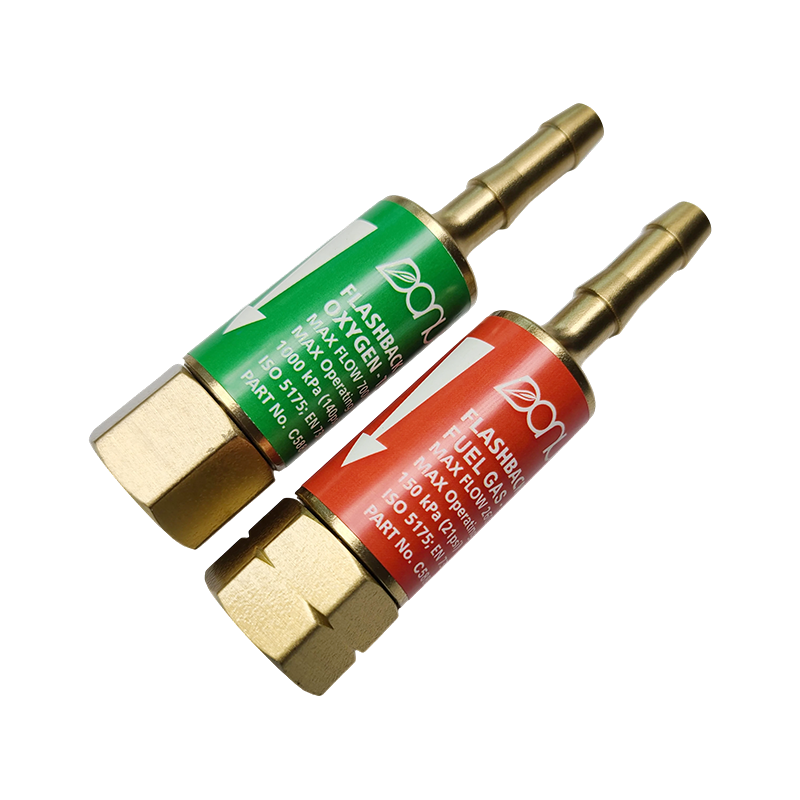 C588 Series Acetylene Torch Flashback ArrestorBrass flashback arrestor for acetylene welding and cutting, supporting safe gas delivery and reverse-flow protection in fabrication, construction, and maintenance work.View Product →
For a deeper checklist, see this guide to safety precautions when using a cutting torch.
Practical Buying Considerations for Acetylene Torches
When comparing acetylene torches and tips, do not buy only on the quoted peak temperature. Look at the gas service, duty rating, and the way the tip is machined. A heavy-duty handle with a brass body holds up to repeated heating and resists thread wear better than a light-duty handle. A cutting tip with a clean, correctly sized orifice gives a stable flame and a narrow kerf.
Match the tip to the plate thickness and the fuel gas. Acetylene tips are not interchangeable with propane tips because the orifice and flow characteristics differ. Regional standards also matter: American, Australian, British, and Japanese torch connections use different threads and seat angles. If you are replacing a torch on an existing manifold, confirm the connection style before ordering.
For manufacturers and large fabricators, consistency is a supply-chain issue. A supplier that forges its own handles and machines tips in-house can hold orifice tolerances and alloy quality from batch to batch. If the torch must fit an existing drawing or gas panel, send the drawing, gas type, and working pressure to the supplier before production. You can contact the manufacturer to confirm compatibility and lead time.
To summarize: an acetylene torch with oxygen reaches about 3,150 to 3,330°C at its hottest point, and that heat is concentrated just beyond the inner cone. The exact number in your shop depends on oxygen purity, gas ratio, tip condition, and pressure settings. Set a neutral flame, use the right tip, and treat safety devices as part of the temperature control system. Do that, and the flame will cut, weld, or heat predictably rather than just burn hot.