
 English
 中文简体
中文简体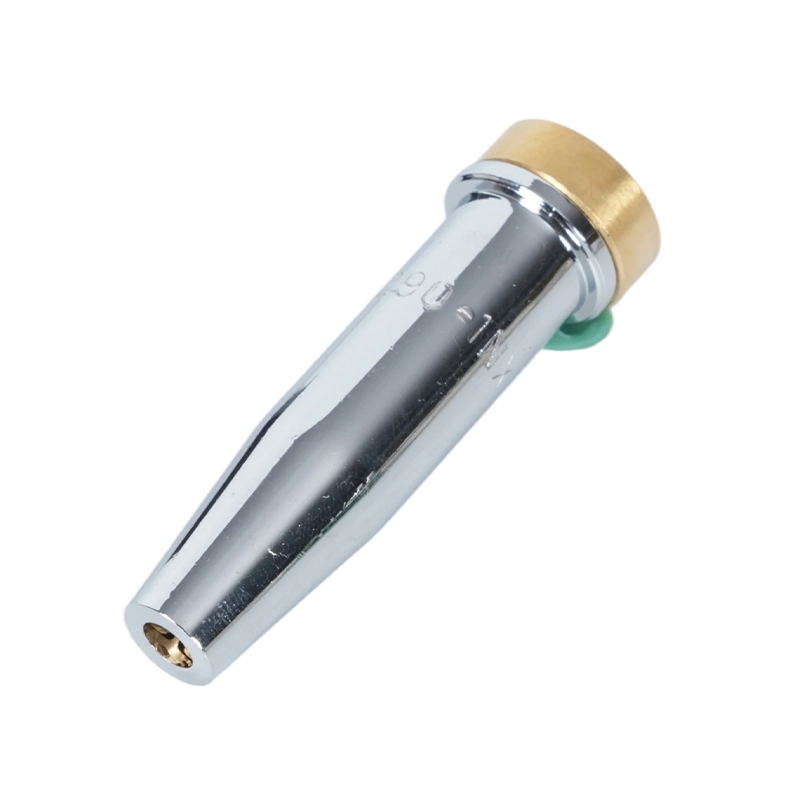
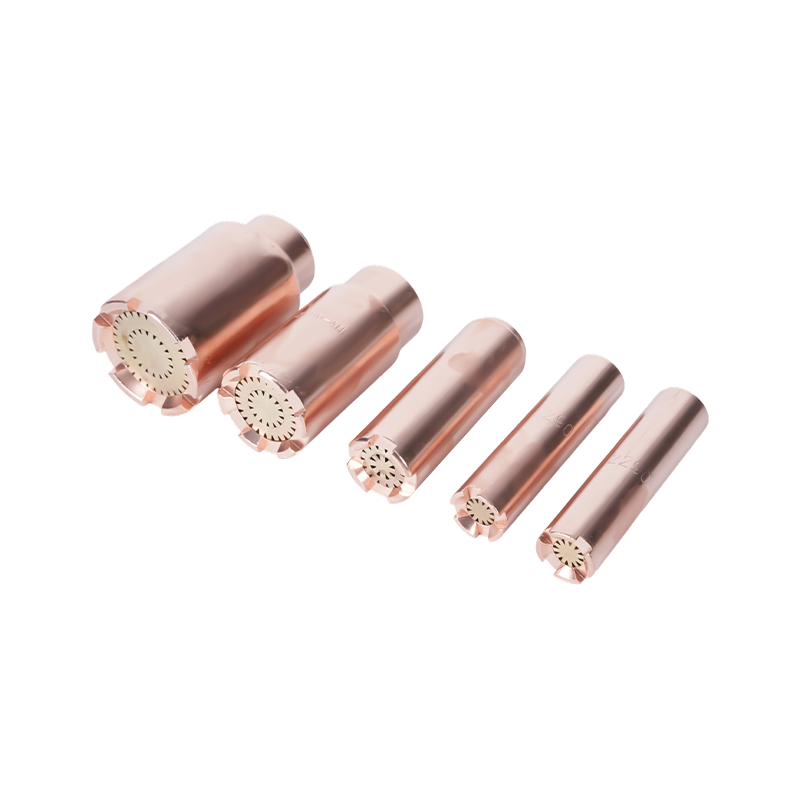
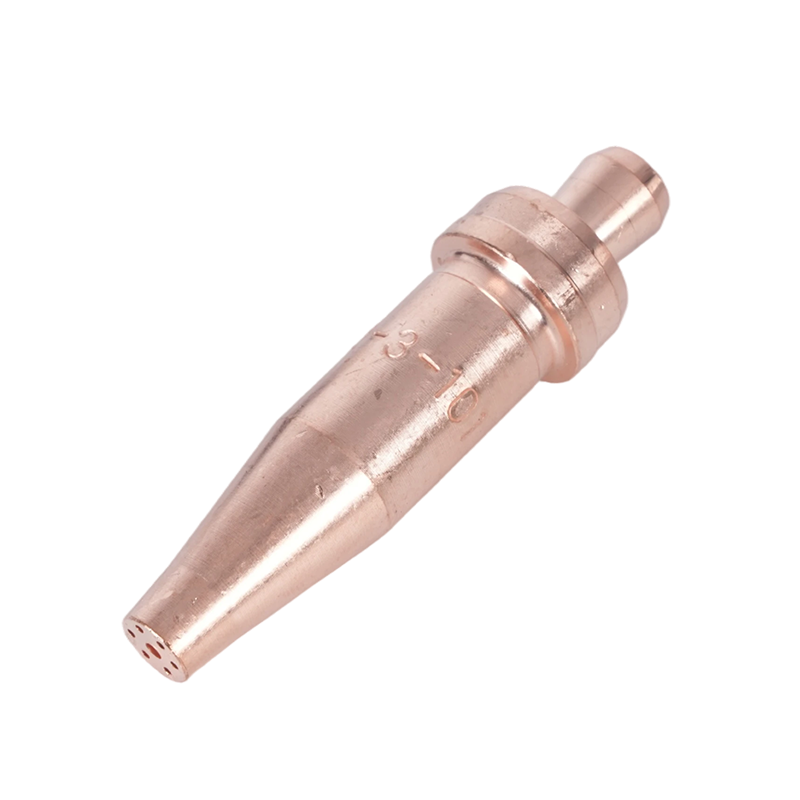
Cutting Torch Tips are essential components in oxy-fuel cutting systems, shaping the flame that performs the actual cutting work. Their design, condition, and correct use play a significant role in how safely and effectively metal cutting operations proceed. While these tools are widely used across fabrication shops, construction sites, automotive repair facilities, and industrial maintenance settings, they also present real hazards if not handled correctly. High temperatures, pressurized gases, sparks, molten metal, and the risk of backfire or flashback mean that users must follow strict safety protocols.
Content
- 1 1. Understand the Type of Cutting Torch Tips You Are Using
- 2 2. Inspect Your Cutting Torch Tips and Equipment Before Use
- 3 3. Set Up the Work Area for Safe Cutting
- 4 4. Handle Fuel Gases and Oxygen Safely
- 5 5. Use Proper Personal Protective Equipment (PPE)
- 6 6. Maintain Proper Lighting and Visibility
- 7 7. Ensure Hoses and Regulators Are in Good Condition
- 8 8. Light and Adjust the Torch Flame Correctly
- 9 9. Be Aware of Backfire and Flashback Hazards
- 10 10. Maintain Correct Cutting Technique
- 11 11. Shut Down the Equipment Properly
- 12 12. Store Cutting Torch Tips and Equipment Safely
- 13 13. Train Operators Thoroughly
- 14 Conclusion
1. Understand the Type of Cutting Torch Tips You Are Using
Before beginning any cutting task, operators should familiarize themselves with the specific Cutting Torch Tips installed on their equipment. Many safety issues arise simply because the wrong tip is used for the job or because the operator does not fully understand its characteristics.
Know the Tip Size and Material Compatibility
Different materials, thicknesses, and cutting speeds require distinct tip sizes and designs. Using an undersized or oversized tip can create unstable flames, excessive oxygen use, or overheating—each of which can be hazardous. Manufacturers typically include charts that specify the correct tip size based on material type and thickness; these charts should be consulted before every job.
Check that the Tip Matches the Torch Type
Cutting torch systems vary. Some Cutting Torch Tips are designed for high-pressure systems, while others are for low-pressure fuel setups. Mixing incompatible components can cause irregular flame behavior or unexpected gas flow issues. Understanding your equipment configuration is a foundational safety step.
2. Inspect Your Cutting Torch Tips and Equipment Before Use
Inspection is one of the most effective ways to prevent accidents. Cutting Torch Tips wear over time, and even small irregularities can cause flame instability or backfires.
Look for Signs of Damage or Overheating
Inspect the tip for cracks, gouges, warping, or discoloration from overheating. A damaged tip may produce a distorted flame pattern, increasing the chance of improper cuts and fire hazards.
Check for Blocked or Dirty Orifices
Debris, metal slag, or soot buildup inside the orifices will restrict gas flow and destabilize the flame. Blocked orifices can also cause the tip to overheat, a contributing factor to backfires.
Use proper cleaning tools—never nails, wires, or makeshift pins—to avoid deforming the orifices. Tip cleaners designed for Cutting Torch Tips maintain the original shape and ensure safe gas flow.
Ensure Secure Tip Attachment
Even a slight looseness in the connection between the tip and the torch head can cause gas leaks. Gas leaks introduce fire risks and may lead to improper flame performance or flashback. Always tighten the tip according to manufacturer recommendations.
3. Set Up the Work Area for Safe Cutting
A safe environment is just as important as correct torch operation. The work area must be prepared to minimize hazards and ensure proper ventilation.
Remove Combustibles From the Area
Sparks and molten metal can travel several feet during cutting. Flammable materials—solvents, rags, wood, oils, plastics—should be cleared from the work area. If removal is impossible, shielding materials such as flame-resistant blankets should be used.
Ensure Adequate Ventilation
Oxy-fuel cutting produces fumes, gases, and particulates. Without proper ventilation, these can accumulate and pose health hazards. Outdoor cutting is ideal; indoor cutting should include exhaust hoods, fume extractors, or cross-ventilation.
Establish a Stable Workspace
Loose footing, cluttered floors, and unstable workpieces increase the likelihood of accidents. Secure the metal being cut using clamps or vise fixtures to avoid shifting during the process.
4. Handle Fuel Gases and Oxygen Safely
Because Cutting Torch Tips operate on pressurized fuel gas and oxygen, proper gas handling is crucial. Mistakes in gas management account for many cutting-related accidents.
Follow Cylinder Handling Protocols
- Store gas cylinders upright and securely chained.
- Transport cylinders using proper carts, not by rolling or dragging.
- Keep heat sources away from cylinders.
- Ensure protective caps are in place when cylinders are not in use.
Open Valves Slowly
Opening valves too quickly may cause pressure surges, potentially damaging regulators or internal torch components. Fuel gas valves should typically be opened only 1–1.5 turns, allowing quick closure in an emergency. Oxygen valves may be opened fully depending on regulator design.
Check for Gas Leaks
Perform leak tests using soapy water or approved leak-detection solutions on:
- Torch connections
- Hose fittings
- Regulator attachments
- Cylinder valves
Never use a flame to check for leaks.
5. Use Proper Personal Protective Equipment (PPE)
The heat and sparks generated during cutting demand robust personal protection.
Essential PPE Includes:
- Welding-grade safety goggles or face shields with the correct shade lens. Cutting typically requires shade #5 or #6.
- Flame-resistant gloves to protect against heat and metal splatter.
- Leather aprons or welding jackets to shield the torso.
- Long, flame-resistant pants (no synthetic fabrics).
- Steel-toe boots to protect from falling metal.
Protect Surrounding Workers
When cutting in shared environments, use welding screens to prevent bystanders from exposure to sparks or intense light.
6. Maintain Proper Lighting and Visibility
Cutting requires accurate visualization of the flame, metal surface, and cut line. Poor visibility can lead to mistakes that damage the workpiece or pose safety hazards.
- Ensure overhead lights are functioning.
- Avoid cutting in overly dim environments.
- Keep cutting lenses clean for clear visibility.
7. Ensure Hoses and Regulators Are in Good Condition
The integrity of the entire oxy-fuel system—not just the Cutting Torch Tips—is critical for safety.
Inspect Hoses for Damage
Check for:
- Cracks
- Cuts
- Bulges
- Burn marks
Replace damaged hoses immediately. Using temporary fixes like tape is hazardous.
Avoid Hose Kinks or Tight Bends
Restricted gas flow can cause unstable flames and may contribute to flashback.
Use Flashback Arrestors and Check Valves
Flashback arrestors are essential safety components. They prevent flame from traveling backward into the hoses or regulators, reducing the risk of explosions. Many torches include built-in check valves, but external devices add an extra layer of safety.
8. Light and Adjust the Torch Flame Correctly
The flame shape and behavior play a central role in safe operation.
Follow Correct Lighting Procedures
Depending on the manufacturer, lighting typically involves:
- Opening the fuel valve slightly.
- Igniting with a friction-type striker (not matches or lighters).
- Opening oxygen valve slowly to achieve the desired flame.
Avoid Excessive Fuel or Oxygen Pressure
Excessive pressure produces violent flames, introduces noise, and increases the likelihood of backfire.
Know the Types of Flames
- Neutral flame: Ideal for most cutting; balanced oxygen and fuel.
- Carburizing flame: Too much fuel; causes soot.
- Oxidizing flame: Too much oxygen; may damage the metal surface.
Using the wrong flame type not only affects cut quality but can also stress the tip or torch.
9. Be Aware of Backfire and Flashback Hazards
Backfire and flashback are two dangerous conditions that operators must recognize and prevent.
Backfire
A backfire occurs when the flame momentarily goes out with a loud “pop” but does not travel backward into the torch. It may happen due to:
- Overheating the Cutting Torch Tips
- Blocked tip orifices
- Contact with the workpiece
- Incorrect gas pressures
Backfires that repeat frequently indicate a deeper issue and require inspection.
Flashback
Flashback is more dangerous. In a flashback, the flame moves backward into the torch or even into the hoses. Warning signs include:
- Whistling sounds
- Continuous burning inside the torch
- Sudden rise in temperature
When flashback occurs:
- Shut off the torch immediately.
- Close oxygen and fuel gas valves.
- Check the equipment thoroughly before resuming work.
Flashback arrestors significantly reduce the risk, but operator vigilance is still essential.
10. Maintain Correct Cutting Technique
Cutting Torch Tips perform best when used with steady, controlled movements.
Keep a Safe Distance Between Tip and Workpiece
Holding the tip too close can overheat it; holding it too far away may produce poor cuts. The optimal distance is typically determined by the cutting flame’s profile and manufacturer instructions.
Move the Torch Smoothly
Jerky movements may disrupt gas flow or cause slag to fly unpredictably. A consistent travel speed ensures:
- Cleaner cuts
- Reduced risk of overheating
- More predictable spark patterns
Avoid Overheating the Tip
Pause between cuts when necessary. Overheated Cutting Torch Tips are more prone to backfire and premature wear.
11. Shut Down the Equipment Properly
Safe operation extends beyond the cutting process itself.
Follow Proper Shutdown Sequence
A typical shutdown sequence includes:
- Closing the oxygen valve on the torch.
- Closing the fuel gas valve next.
- Closing the cylinder valves.
- Bleeding gas from hoses.
- Backing out regulator adjusting screws.
Skipping these steps can leave pressurized gas in the system, increasing risk.
12. Store Cutting Torch Tips and Equipment Safely
After use, proper storage protects the equipment and prevents accidents.
Allow Equipment to Cool
Cutting Torch Tips retain heat for several minutes after use. Handling while hot may cause burns or lead to accidental fires if placed near combustible materials.
Store in Clean, Dry Environments
Moisture contributes to corrosion, which affects gas flow and tip integrity. Dirt or metal shavings can enter tip orifices if stored improperly.
Keep Components Organized
Well-organized storage makes it easier to identify the correct tip for future jobs and reduces the risk of damage.
13. Train Operators Thoroughly
No safety measure is effective without proper training. Operators should receive instruction in:
- Adjusting gas pressures
- Lighting procedures
- Recognizing flame behaviors
- Identifying signs of equipment malfunction
- Emergency shutdown procedures
Regular refresher training also helps maintain safety standards.
Conclusion
Cutting Torch Tips are vital tools in metal fabrication, but they demand careful, informed handling to ensure safe and efficient use. From choosing the right tip and inspecting equipment to controlling the work environment and following correct operational techniques, each step contributes to creating a safer workplace.
By adopting consistent safety practices—proper PPE use, gas management, flashback prevention, and systematic maintenance—operators can significantly reduce risks associated with cutting operations. Safety is not just about avoiding accidents; it is about maintaining a professional, disciplined approach that protects workers, equipment, and work quality.