
 English
 中文简体
中文简体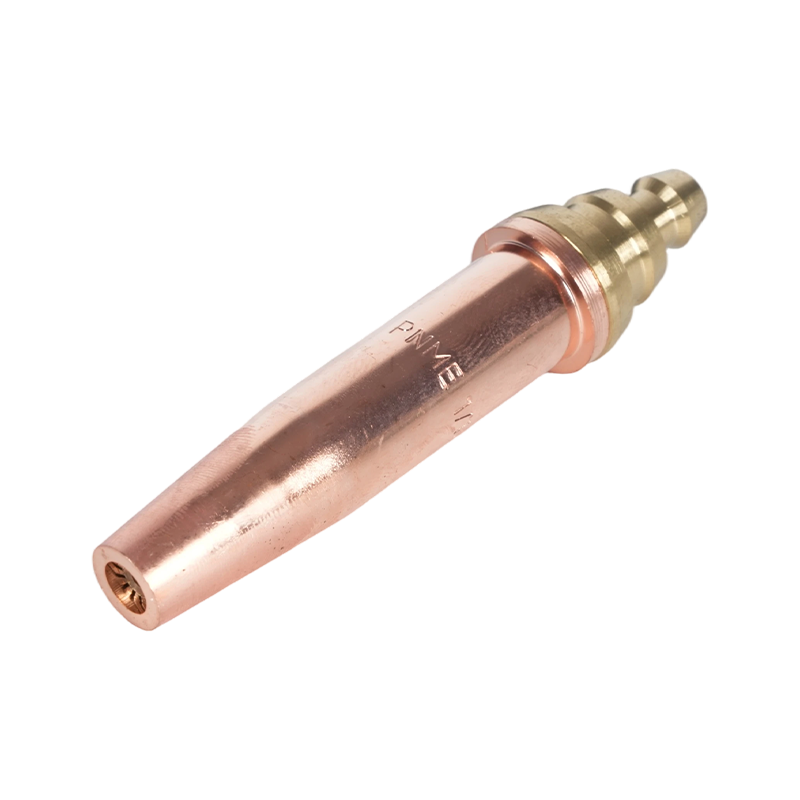
This article focuses specifically on cutting torch tips and cutting torch nozzles used in oxy-fuel metal cutting. It covers types of tips, how to select the correct nozzle for a job, correct setup and pressure guidance, maintenance and cleaning, troubleshooting common cutting problems, and safety considerations. The information is practical and intended for welders, fabricators, and maintenance techs who need actionable steps and reference tables for everyday cutting tasks.
Content
- 1 Types of Cutting Torch Tips and Nozzles
- 2 How to Choose the Right Tip: Size, Orifice and Shape
- 3 Correct Setup: Pressures, Preheat, and Travel Speed
- 4 Maintenance: Cleaning, Tip Repair and Lifespan
- 5 Troubleshooting Common Nozzle and Tip Problems
- 6 Safety and Best Practices When Working with Cutting Nozzles
- 7 Purchasing and Compatibility Tips
- 8 Summary: Practical Checklist Before Every Cut
Types of Cutting Torch Tips and Nozzles
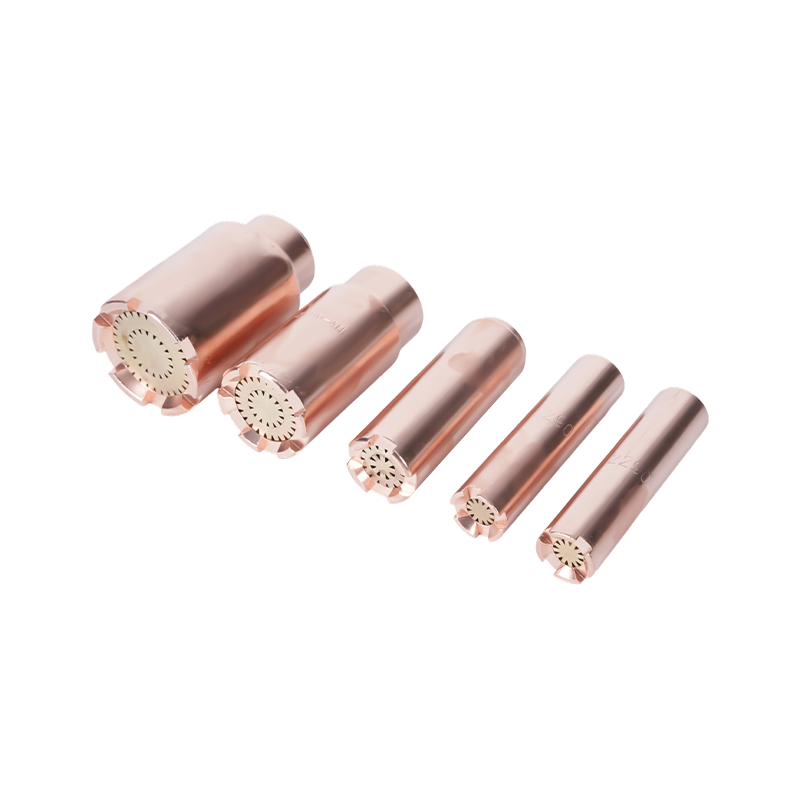
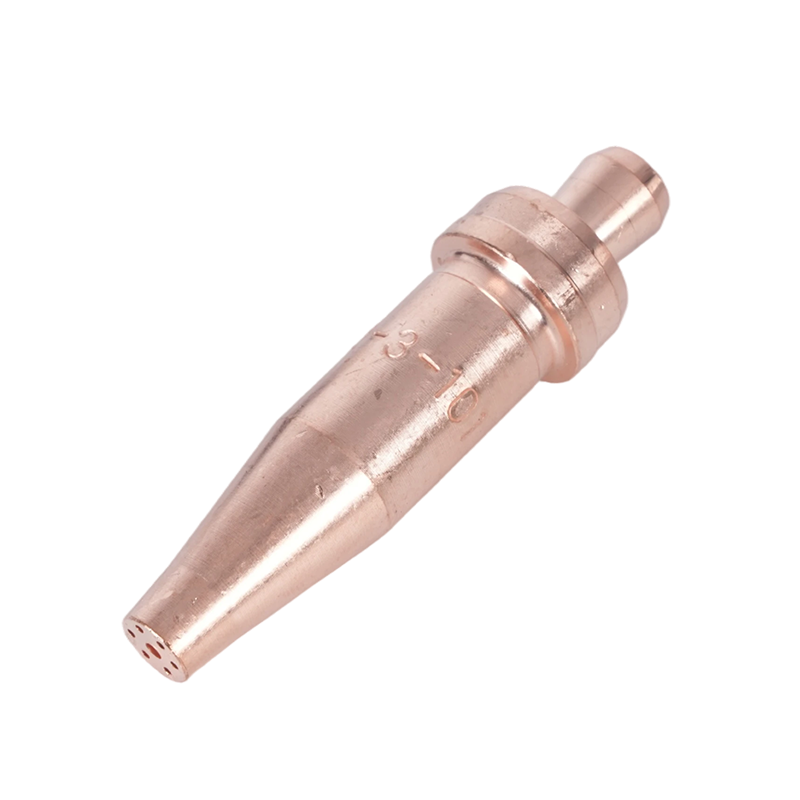
Cutting torch tips and nozzles are engineered for specific tasks. Understanding the type helps you match the tip to material thickness and desired cut quality. The main categories are listed below with the functional differences and where each is appropriate.
Hand (Manual) Cutting Tips
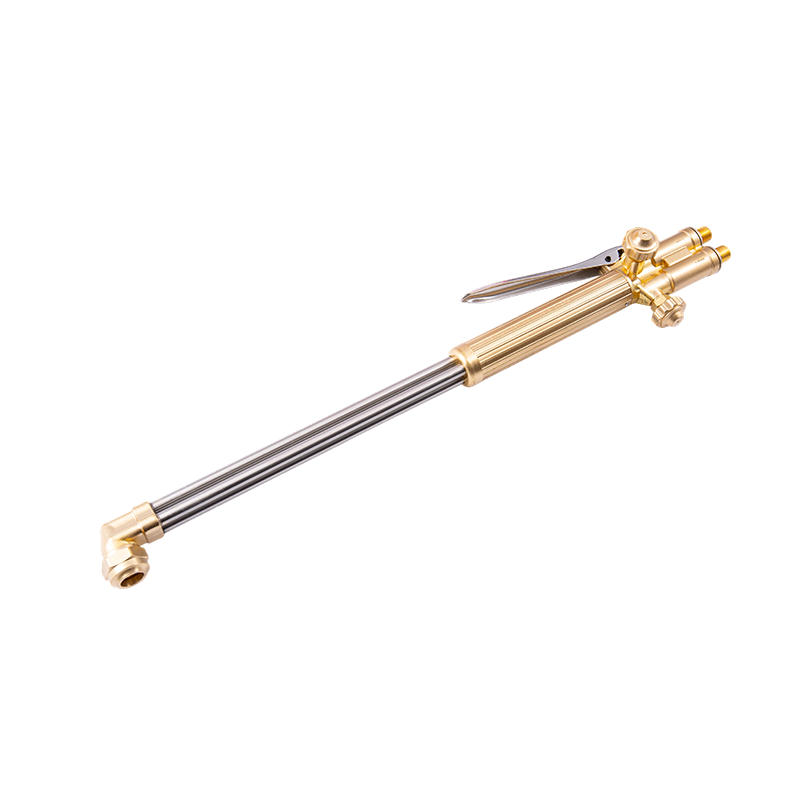
Hand tips are common for mobile work and small shops. They have a single cutting oxygen orifice and a preheat jet arrangement. Sizes vary by the thickness they will cut cleanly; smaller tips are used for thin plate and large tips for heavy plate. Hand tips are simple to repair (replace the nozzle insert) and are used with a hand-held torch body.
Machine and Line-Cutting Nozzles
Machine nozzles are designed for gantry systems, CNC oxy-fuel cutting tables, or automated carriers. They are often more robust, offer replaceable orifices, and may incorporate specialized mixing chambers to improve preheat consistency at higher travel speeds. Machine nozzles often require more precise pressure control and cleaning discipline.
Drag and Gouging Tips
Drag tips are shaped for continuous contact or near-contact with the workpiece (used for long straight cuts or gouging). Gouging tips and nozzles have wider, often multiple jets for removing metal rather than making thin, precise cuts—useful for weld joint preparation or defect removal.
How to Choose the Right Tip: Size, Orifice and Shape
Choosing a tip requires matching the nozzle's orifice size, jet configuration, and tip geometry to the plate thickness, steel grade, and cutting method (hand vs machine). Below are the most important selection criteria and how to apply them.
Tip Size vs Plate Thickness
Manufacturers rate tips by nominal cutting capacity. Use a conservative approach: choose a tip sized slightly above the plate thickness for an efficient cut and reduced dross. For repetitive work, keep a small range of tip sizes to cover typical jobs rather than continuously changing tips.
| Typical Tip Size | Recommended Carbon Steel Thickness | Typical Cutting Oxygen Pressure (psi) |
| Tip 0 (very small) | 1–6 mm (1/16"–1/4") | 20–40 psi |
| Tip 1–2 | 6–12 mm (1/4"–1/2") | 30–50 psi |
| Tip 3–5 | 12–25 mm (1/2"–1") | 40–60 psi |
| Tip 6 and up (large) | 25–100+ mm (1"–4"+) | 50–90+ psi |
These values are typical ranges—consult the manufacturer’s tip chart for exact orifice diameters, cutting oxygen pressure and recommended travel speeds for your specific tip model and steel grade.
Material and Coating Considerations
Most oxy-fuel cutting is done on mild steel. Stainless and high-alloy steels require different approaches (e.g., plasma cutting or special techniques) because they do not oxidize in the same way. Tips are usually brass or copper alloy; choose a nozzle with a replaceable orifice if you expect heavy wear or frequent contamination.
Correct Setup: Pressures, Preheat, and Travel Speed
Correct gas pressures, preheat jet adjustment, and travel speed are as important as the tip design. Below are practical setup steps and parameter ranges commonly used for oxy-fuel cutting of carbon steel.
Step-by-step Setup
- Inspect tip and nozzle for debris, scored seats, or damaged orifice.
- Set fuel (acetylene/propane) preheat pressure per torch-manufacturer recommendations.
- Open preheat jets and adjust inner flame cones to a neutral or slightly carburizing flame if cutting thin metal.
- Set cutting oxygen pressure to manufacturer's recommended value for the tip size and plate thickness.
- Perform a test cut on scrap to verify clean pierce, correct travel speed, and acceptable dross formation.
Typical Pressure and Speed Guidance
Travel speeds depend on tip size and plate thickness; a tip optimized for a given thickness will allow a faster travel speed and a narrower kerf with less dross. Always use travel speed charts from the nozzle manufacturer as a starting point and refine for your particular torch and steel condition.
Maintenance: Cleaning, Tip Repair and Lifespan
Regular maintenance keeps nozzle performance predictable. Common maintenance includes cleaning preheat ports, removing slag from the orifice area, and replacing worn orifices or tip inserts. Follow a schedule: inspect tips daily on heavy-use lines and clean after any gouging or long runs.
Cleaning Methods and Tools
- Use recommended tip reamers and preheat jet brushes—never use wire nails that can enlarge or distort orifices.
- Soak heavily contaminated tips briefly in a solvent designed for cutting equipment to dissolve grease and slag (follow manufacturer guidance).
- Replace tip inserts when the orifice shows erosion (uneven diameter) or the seat is scored—performance degrades before visible large damage appears.
Expected Lifespan
Lifespan varies by material cut, tip material, and contamination level. A well-maintained tip used on clean mild steel can last many months on intermittent use; production environments may need replacements every few weeks. Track hours of use and keep spare inserts on hand to avoid downtime.
Troubleshooting Common Nozzle and Tip Problems
When cuts are poor, diagnosing whether the tip/nozzle is at fault saves time. The following problem-solution pairs are common in workshops.
- Problem: Excessive dross and slow cutting. Fix: Reduce travel speed slightly, verify cutting oxygen pressure, inspect orifice for partial clogging or erosion, and check for a blunt preheat flame.
- Problem: Hard-to-start pierce or inconsistent pierce. Fix: Increase preheat to ensure surface oxidation is removed; verify tip size is adequate for the plate thickness; check for damaged orifice or inner mixing chamber blockages.
- Problem: Irregular flame or flashbacks. Fix: Immediately stop, check check valves and flashback arrestors, and replace damaged hoses or fittings. Do not use the tip until the system passes leak and backflow tests.
- Problem: Very wide kerf or excessive metal meltdown. Fix: Tip may be oversized for the job or orifice damaged—switch to a smaller tip and reduce cutting oxygen pressure and travel speed as needed.
Safety and Best Practices When Working with Cutting Nozzles
Working safely around oxy-fuel systems is non-negotiable. Proper tip handling and equipment choices reduce flashback risk and protect personnel and property.
- Always use flashback arrestors and check valves at regulators and torches; replace them at first sign of damage.
- Wear appropriate PPE: leather gloves, eye protection with proper filter shade for cutting, hearing protection in noisy environments, and flame-resistant clothing.
- Store cylinders upright and chained; secure torches and hoses to avoid accidental valve damage. Shut off cylinder valves when not in use and bleed lines before storage.
Purchasing and Compatibility Tips
Not all tips are cross-compatible between manufacturers—seat fit, thread pitch, and orifice geometry vary. Consider these points when buying replacement tips or nozzles.
OEM vs Aftermarket
OEM tips match original equipment tolerances and often include precise orifice sizing and replacement inserts. Quality aftermarket tips can be cost-effective but verify fit and material specs. For production-critical applications, favor OEM or qualified third-party parts with documented tolerances.
What to Keep in Stock
- A selection of the 2–3 most used tip sizes for your workflow.
- Spare tip inserts/orifices, preheat jet inserts, and tip-cleaning tools (reamers, brushes).
- At least one spare flashback arrestor and a spare regulator for each gas service.
Keeping a log of cutting torch tip performance (hours/duties) and labeling spare tips with their nominal cutting thickness speeds up job setup and reduces scrap due to mismatched tips.
Summary: Practical Checklist Before Every Cut
- Verify correct tip size for the plate thickness.
- Inspect and clean the tip and preheat jets; replace worn inserts.
- Set preheat and cutting oxygen pressures per tip chart; do a scrap test cut and adjust travel speed.
- Confirm safety devices (flashback arrestors, check valves) are in place and functional.
Applying these practical selection, setup, and maintenance steps will extend tip life, improve cut quality, and reduce downtime. For exact orifice dimensions, pressure charts and travel-speed recommendations, always consult the nozzle manufacturer's technical data sheet for the specific tip model you are using.