
 English
 中文简体
中文简体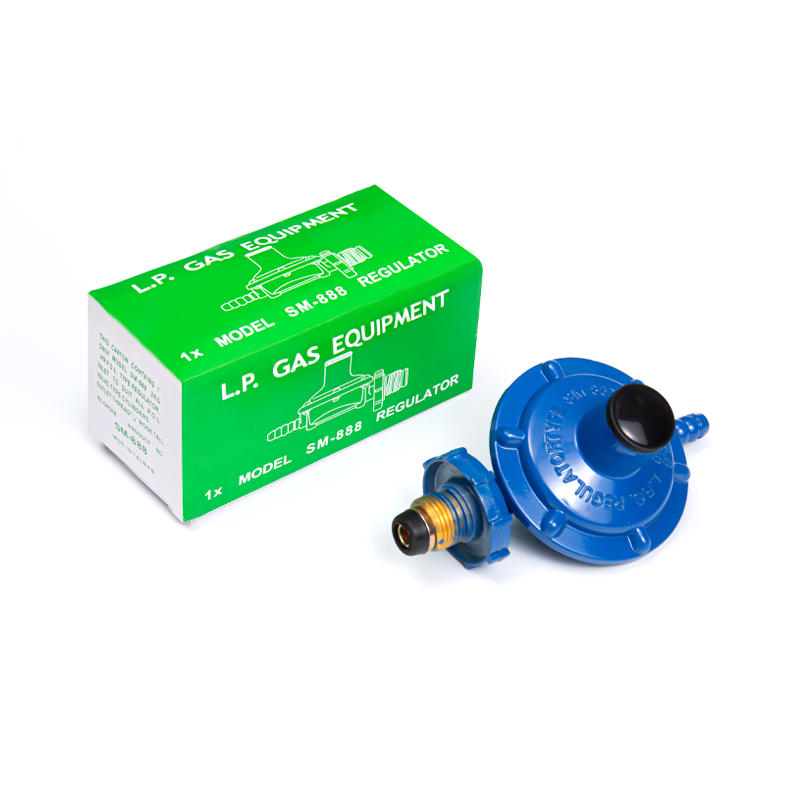
Content
- 1 How Gas Pressure Regulators Influence Energy Efficiency
- 2 Why Consistent Gas Pressure Supports Efficient Combustion
- 3 How Incorrect Gas Pressure Reduces Efficiency
- 4 Types of Gas Pressure Regulators and Their Efficiency Impact
- 5 Proper Sizing and Installation to Maximize Efficiency
- 6 Maintenance Habits That Enhance Long-Term Efficiency
- 7 Conclusion: Can Gas Pressure Regulators Improve Efficiency?
How Gas Pressure Regulators Influence Energy Efficiency
Gas pressure regulators play a crucial role in ensuring that fuel-fed appliances operate under optimal conditions. Although commonly associated with safety and pressure stabilization, regulators also significantly influence energy efficiency. When a gas appliance receives the correct and stable inlet pressure, it performs combustion more effectively, minimizing energy waste. In contrast, irregular pressure can cause incomplete combustion, excessive fuel consumption, equipment strain, and rising operational costs. Understanding how a regulator supports efficient energy usage helps homeowners, RV owners, commercial kitchens, and industrial operators make more informed decisions about equipment configuration.
Why Consistent Gas Pressure Supports Efficient Combustion
Combustion efficiency depends heavily on maintaining a stable balance between gas volume and oxygen. Gas pressure regulators are designed to deliver fuel at a consistent level to support this balance. Too much pressure overwhelms the burner, causing yellow flames and wasted energy. Too little pressure leads to unstable flames and extended runtime. By maintaining a precise flow, regulators help appliances reach their ideal burn temperature faster and sustain it with less fluctuation. This translates into more complete combustion, higher heat output per unit of gas, and fewer performance issues that would otherwise degrade efficiency.
Benefits of stable combustion for efficiency
- Reduced fuel waste due to optimal burn conditions.
- More consistent appliance temperature output with less cycling.
- Improved operational longevity from reduced mechanical stress.
How Incorrect Gas Pressure Reduces Efficiency
When a gas pressure regulator is outdated, undersized, or malfunctioning, efficiency declines quickly. The appliance may struggle to achieve stable ignition, take longer to reach working temperature, or require more fuel to maintain output. Inconsistent pressure can also cause soot buildup, heat loss, and lower thermal performance. These issues are particularly noticeable in high-consumption applications such as water heaters, boilers, patio heaters, and industrial burners, where stable pressure directly correlates with fuel savings and productivity.
Common symptoms of inefficient pressure regulation
- Yellow or flickering burner flames.
- Slow heating or inconsistent appliance performance.
- Audible whistling or pulsation in the gas line.
- Elevated fuel consumption compared to normal usage.
Types of Gas Pressure Regulators and Their Efficiency Impact
Different types of gas pressure regulators offer varying levels of precision and stability, which directly affect energy performance. Appliances that require precise low-pressure input—such as modern gas furnaces, residential water heaters, and RV systems—benefit from regulators that maintain pressure within a narrow tolerance range. High-pressure regulators, often used for industrial burners or large propane storage tanks, must handle larger flow volumes while still ensuring consistent output. Choosing the correct regulator type ensures optimal combustion while protecting appliances from overpressure or pressure drop issues.
| Regulator Type | Typical Application | Efficiency Influence |
| Low-Pressure Regulator | Home appliances, heaters, RVs | Provides precise control for efficient combustion |
| High-Pressure Regulator | Industrial burners, propane tanks | Stabilizes heavy flow to reduce fuel waste |
| Two-Stage Regulator | Residential propane systems | Delivers highly stable pressure for best efficiency |
Proper Sizing and Installation to Maximize Efficiency
Even the best regulator cannot improve efficiency if it is incorrectly sized or poorly installed. Gas appliances require specific inlet pressures, and choosing a regulator that does not match flow demand leads to energy loss and performance decline. Additionally, improper installation—such as long runs of undersized piping, unnecessary bends, or failure to vent the regulator—can create pressure fluctuations that undermine combustion quality. Following the manufacturer’s specifications and local safety standards ensures that the regulator supports efficient fuel delivery.
Key installation considerations
- Match regulator capacity to appliance BTU requirements.
- Install regulators close to appliances when possible to minimize pressure drop.
- Ensure proper venting for stable internal diaphragm operation.
Maintenance Habits That Enhance Long-Term Efficiency
Regular maintenance is essential for keeping gas pressure regulators functioning efficiently. Over time, dust, moisture, corrosion, or debris can affect the regulator’s internal components, leading to inaccurate pressure delivery. Routine inspection helps identify early signs of wear, ensuring the appliance continues to receive a consistent flow of gas. For high-demand environments, such as commercial kitchens or industrial burners, scheduled maintenance significantly extends equipment life while reducing fuel consumption and operational costs.
Recommended maintenance practices
- Inspect regulators annually for leaks, corrosion, or diaphragm wear.
- Replace regulators that show pressure instability or slow response.
- Keep surrounding areas clean to avoid dust buildup in venting systems.
Conclusion: Can Gas Pressure Regulators Improve Efficiency?
Yes. Gas pressure regulators directly affect the energy efficiency of gas appliances by delivering stable pressure, supporting complete combustion, and preventing fuel waste. By choosing the right type of regulator, ensuring proper installation, and maintaining it regularly, both residential and commercial users can optimize fuel usage, improve appliance performance, and reduce long-term operating costs. Ultimately, regulators are not only safety components but also essential tools for achieving efficient and reliable gas appliance operation.