
 English
 中文简体
Light a properly adjusted oxy-acetylene torch and the tip of the inner cone sits somewhere between 5,600°F and 6,300°F (3,100–3,480°C). That makes acetylene, when burned with pure oxygen, the hottest of the common fuel gases used in handheld welding and cutting equipment. Those numbers are not just trivia. They tell you which metals the torch can weld, how fast it can cut a plate, and why flashback protection belongs in the gas line.
Content
Where the Hottest Temperature Actually Is
The flame from an oxy-acetylene torch is not one uniform ball of heat. It has a sharp inner cone, where the acetylene and oxygen mix and react first, and a larger outer envelope that is cooler. The temperature at the tip of the inner cone is the figure people quote when they say an acetylene torch gets to about 5,600°F. That concentrated zone is where you position the work when you want maximum heat input.
Three common flame settings produce slightly different temperatures:
- Neutral flame (roughly equal oxygen and acetylene): about 5,600°F (3,100°C). Best for most welding and brazing because it neither adds carbon nor excess oxygen to the weld pool.
- Carburizing flame (excess acetylene): around 5,000–5,400°F. Leaves a carbon-rich zone, useful for hardfacing but not for clean steel welds.
- Oxidizing flame (excess oxygen): can reach the upper part of the range, up to about 6,300°F. It burns hotter but adds oxygen; it is used mainly for brass and bronze work and some cutting operations.
Pure acetylene burning in air, without the oxygen cylinder, reaches only about 4,000°F (2,200°C). The oxygen supply is what pushes the flame past 5,000°F, which is why a full oxy-acetylene rig is the standard for serious cutting and welding.
How Acetylene Compares with Other Fuel Gases
Acetylene is not the only fuel you can put in a torch, but it produces the highest flame temperature on a neutral setting. If you are weighing acetylene against a cheaper fuel such as propane or propylene, the temperature gap explains most of the performance difference.
| Fuel gas | Oxy-fuel flame temperature (approx.) | Typical use |
|---|---|---|
| Acetylene | 5,600–6,300°F (3,100–3,480°C) | Cutting, welding, brazing, heating |
| Propane | ~4,100°F (2,250°C) | Cutting, heating, brazing |
| Propylene | ~5,200°F (2,870°C) | Cutting, heating |
| MAPP gas | ~5,300°F (2,930°C) | Brazing, soldering, light cutting |
| Air-acetylene | ~4,000°F (2,200°C) | Light brazing, soldering, HVAC work |
Propane sits roughly 1,500°F below acetylene when both are burned with oxygen. You can still cut plate steel with propane, but the preheat takes longer, cutting speeds drop, and you need propane-specific tips. Acetylene also produces a more concentrated heat zone, which is why fitters keep coming back to it when weld quality and speed matter.
What These Temperatures Mean for the Metal
Flame temperature sets the ceiling; what actually happens depends on how much of that heat reaches the workpiece. Here are approximate melting points compared with what the torch can deliver:
| Material | Melting point (approx.) | Oxy-acetylene result |
|---|---|---|
| Aluminum | ~1,220°F (660°C) | Melts easily; torch used for brazing and thin work |
| Brass / bronze | ~1,700–1,900°F | Melts; commonly brazed with an oxidizing flame |
| Copper | ~1,980°F (1,084°C) | Melts; torch used for brazing and heating |
| Cast iron | ~2,200°F (1,200°C) | Melts; can be welded with cast-iron rods |
| Carbon steel | ~2,500–2,800°F (1,370–1,540°C) | Welds and cuts readily |
| Tungsten | ~6,170°F (3,410°C) | Cannot be melted with a hand torch |
The table also answers a question that comes up often: if the flame reaches 6,300°F and tungsten melts at about 6,170°F, why can a torch not melt tungsten? Because the workpiece never sees the flame's peak temperature. The hot inner cone is small, and heat is lost continuously to the surrounding air, the torch body, and conduction through the metal itself. Pass a 6,000°F flame over a block of tungsten and the surface gets very hot, but it cannot accumulate enough energy to reach its melting point before the heat dissipates.
For cutting steel, you do not need to melt the whole plate. The torch preheats the steel to roughly 1,600–1,800°F until it glows bright red, then the oxygen lever blasts pure oxygen onto the spot. The steel burns, in the sense of rapid oxidation, and the molten oxide blows out of the kerf. That is why a cutting torch has a separate oxygen blast, and why the cutting tip design matters as much as the flame temperature.
Real-World Factors That Change the Heat You Deliver
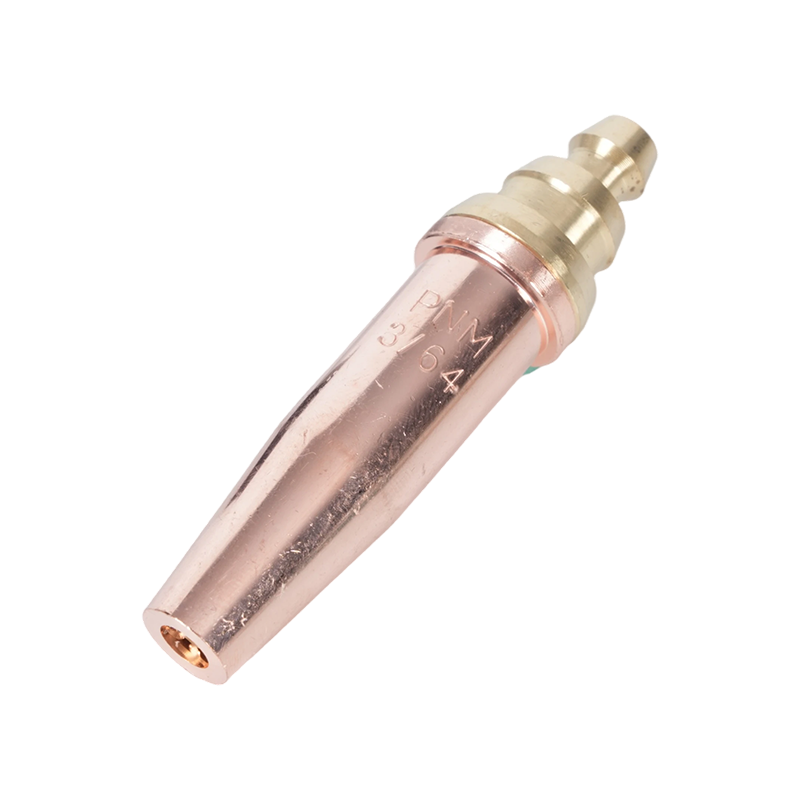
Two identical torches can behave very differently based on consumables and gas settings. If the cutting tip is the wrong size, the seat is nicked, or the pressure is off, the flame may look normal while the workpiece never gets hot enough.
- Tip size and condition. A tip sized for thick plate has larger ports and delivers more heat. A worn or dirty tip distorts the flame and slows the cut.
- Gas pressures. Too low and the flame pops or runs back; too high and it lifts off the tip. Both conditions reduce the heat actually transferred to the metal.
- Distance from the work. The hottest zone sits about 1/8 to 1/4 inch past the inner cone tip. Holding the torch farther away drops the temperature surprisingly fast.
- Workpiece mass. A heavy casting pulls heat away faster than thin sheet. You compensate with a larger tip or a longer preheat.
- Oxygen purity. Oxygen should be at least 99.5%. Contaminated gas cuts the flame temperature and leaves a rough cut edge.
These variables are why shops keep a range of tip sizes in the drawer. For a heavy cut on clean steel, a properly sized American-standard acetylene tip such as the 6290 series supplies the preheat and cutting jet flows the job needs.
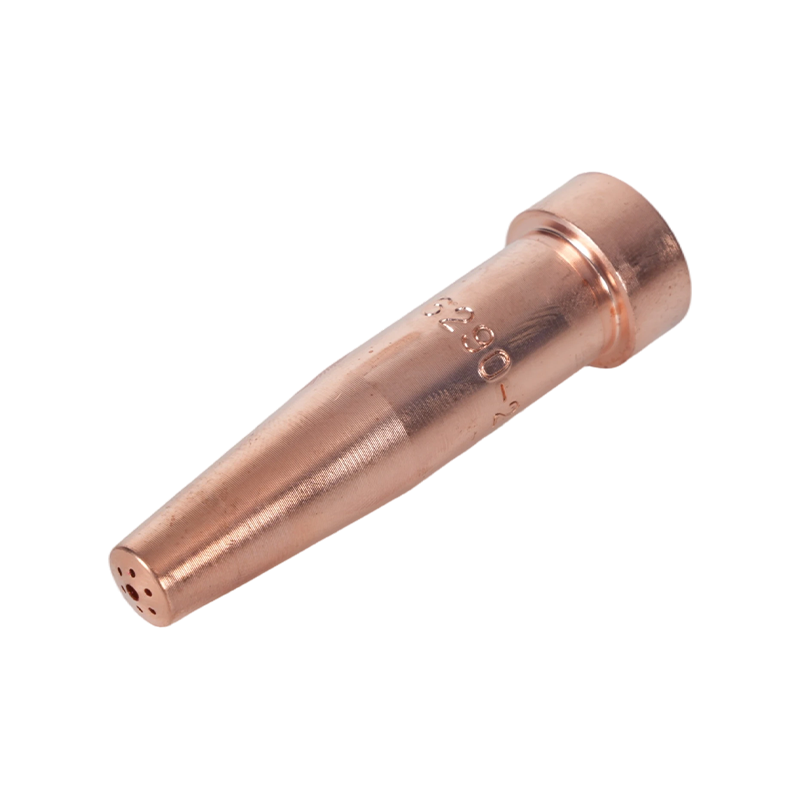 6290 Series Acetylene Cutting Tip Nozzle for American-Style TorchesThis acetylene tip covers cutting thicknesses from 1mm to 300mm and fits A735 and A623 torches, making it a versatile choice for shops needing one nozzle for varied steelwork.View Product →
Choosing a Torch That Keeps the Flame Consistent
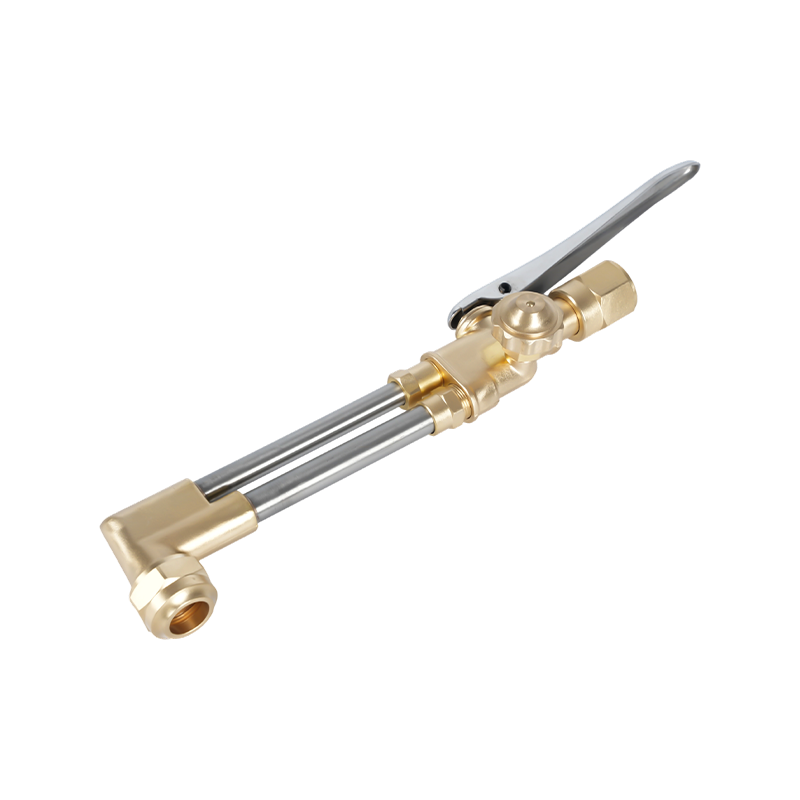
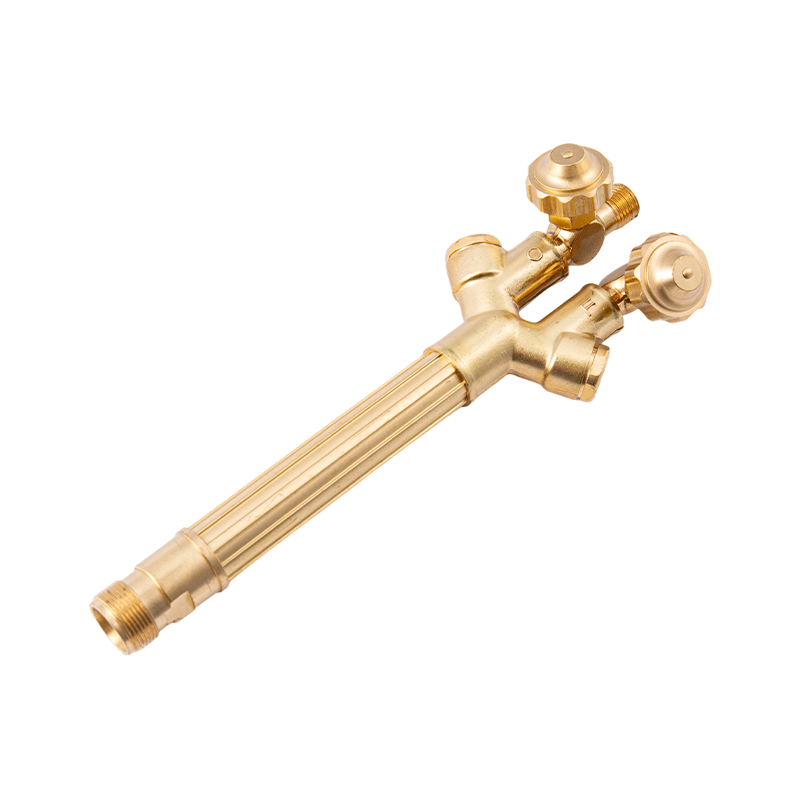
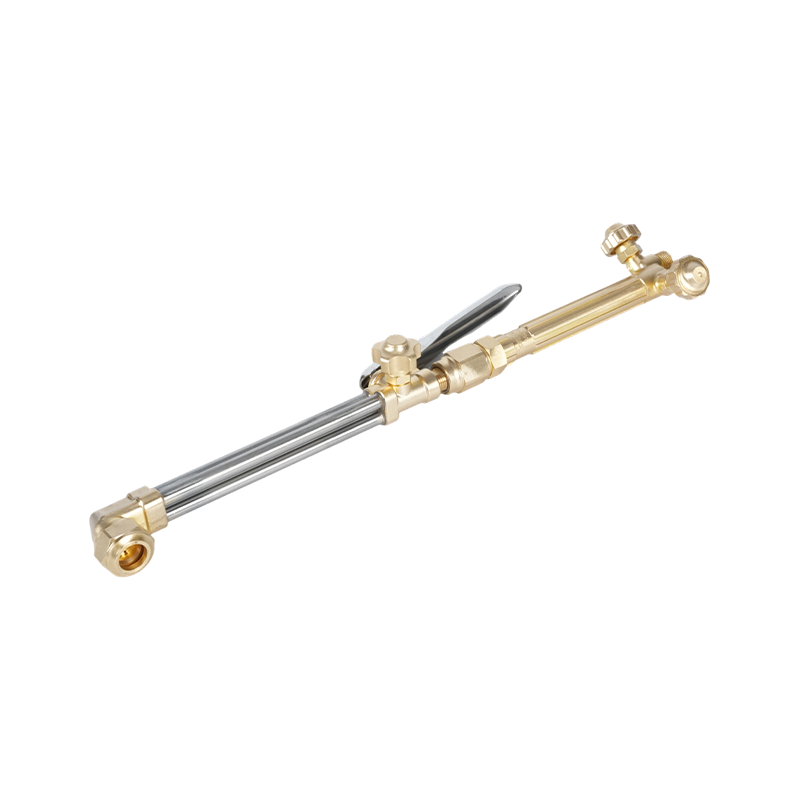
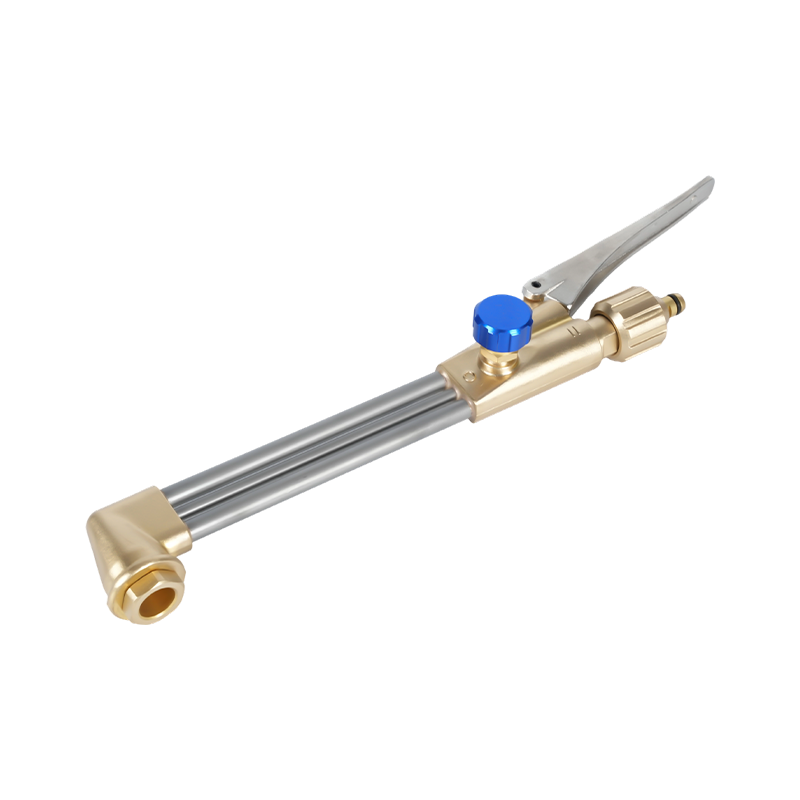
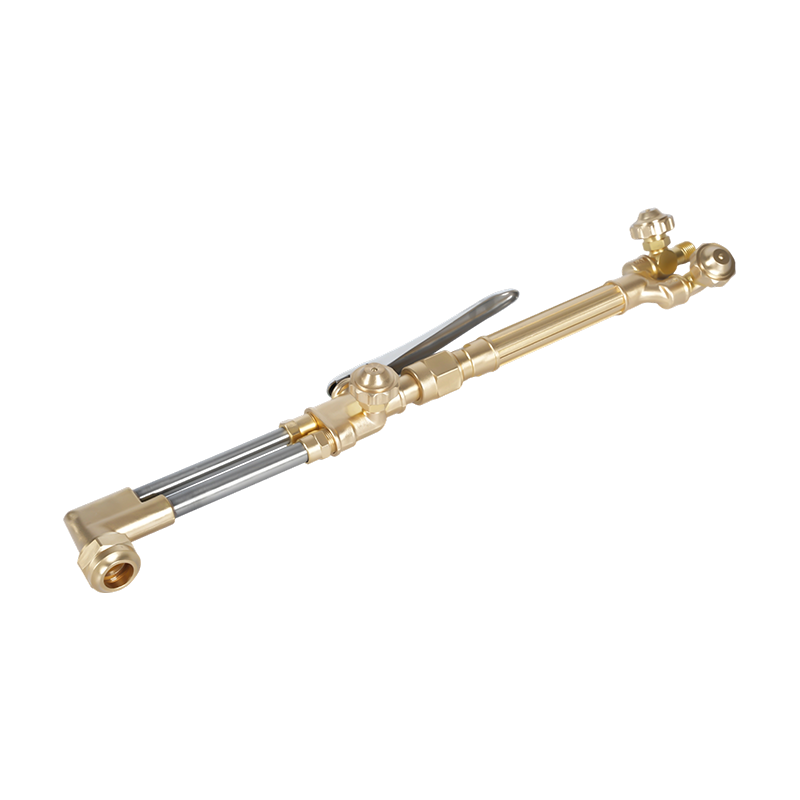
The torch body and handle are responsible for mixing the gases at the right ratio and holding the flame steady. A well-built hand torch seals the valves properly, holds the tip firmly, and keeps delivering the same flame characteristics for years. For handheld cutting, repairs, and maintenance work, a heavy-duty oxy-acetylene hand torch in the B400 class gives you a comfortable handle length and the gas flow most shops need.
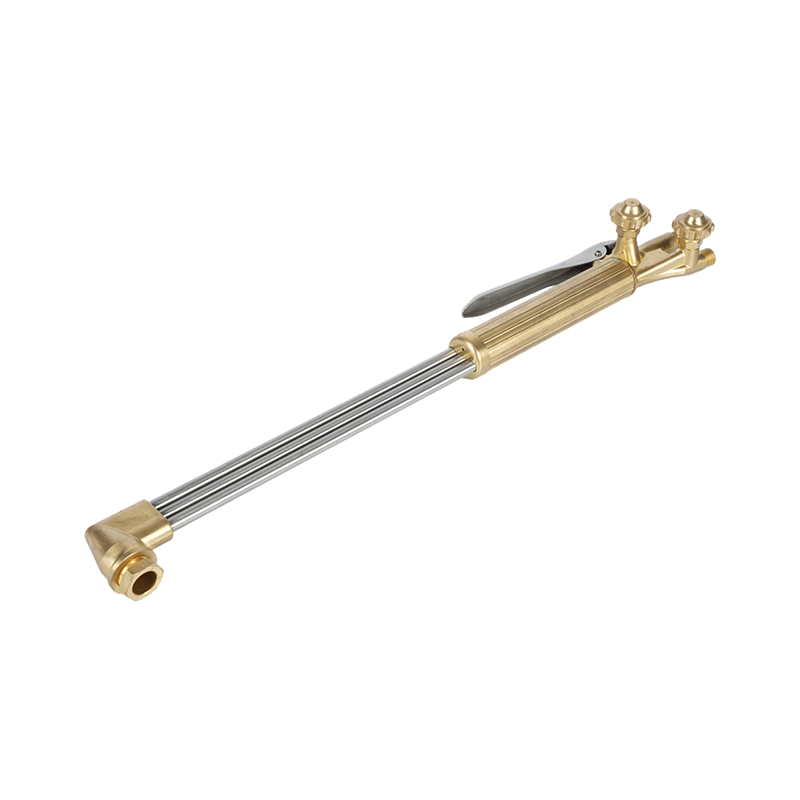 B400 Heavy-Duty Handheld Oxy-Acetylene Cutting TorchA forged brass head and dual-tube design support cutting up to 300mm thick steel, with interchangeable acetylene and propane nozzles for flexible heavy-duty use.View Product →
Whatever torch you choose, keep consumables matched to the job. A cutting attachment and a hand torch might accept the same tip family, but their internal gas passages differ, so use the manufacturer's tip chart. The same principle for tip selection and care is covered in more detail in selecting and maintaining cutting torch tips.
Heat and Flashback Safety
Temperatures in the 6,000°F range do not just cut steel. They ignite anything flammable nearby, and they make flashback a real risk. Flashback occurs when the flame disappears back into the tip and keeps burning inside the torch body or hose, which can destroy equipment and injure the operator in seconds. The most direct protection is a flashback arrestor installed between the torch and the regulator. For oxy-acetylene work, a quality model such as the B288 series stops the reverse flow and extinguishes the flame before it travels up the line.
 B288 Series Oxy-Acetylene Flashback ArrestorInstalled between torch and regulator, this arrestor prevents flame travel and reverse gas flow, providing essential safety for oxy-acetylene cutting and welding operations.View Product →
Treat every cylinder as a high-pressure source: open the acetylene valve about three-quarters of a turn, purge the hoses before lighting, and never use oil or grease near oxygen fittings. If a torch backfires repeatedly, shut everything down and inspect the tip, the seat, and the hoses before relighting. Follow the standard cutting torch safety precautions step by step, and keep a fire extinguisher in reach.
An acetylene torch gets hot enough, roughly 5,600–6,300°F when combined with oxygen, to weld most common metals, cut steel plate, and handle brazing and heating work that electric tools cannot easily match. The real skill is converting that flame temperature into useful heat at the workpiece: the right tip, the correct gas settings, and a torch and safety line you can trust, backed by a manufacturer that builds welding and cutting equipment in-house.