
 English
 中文简体
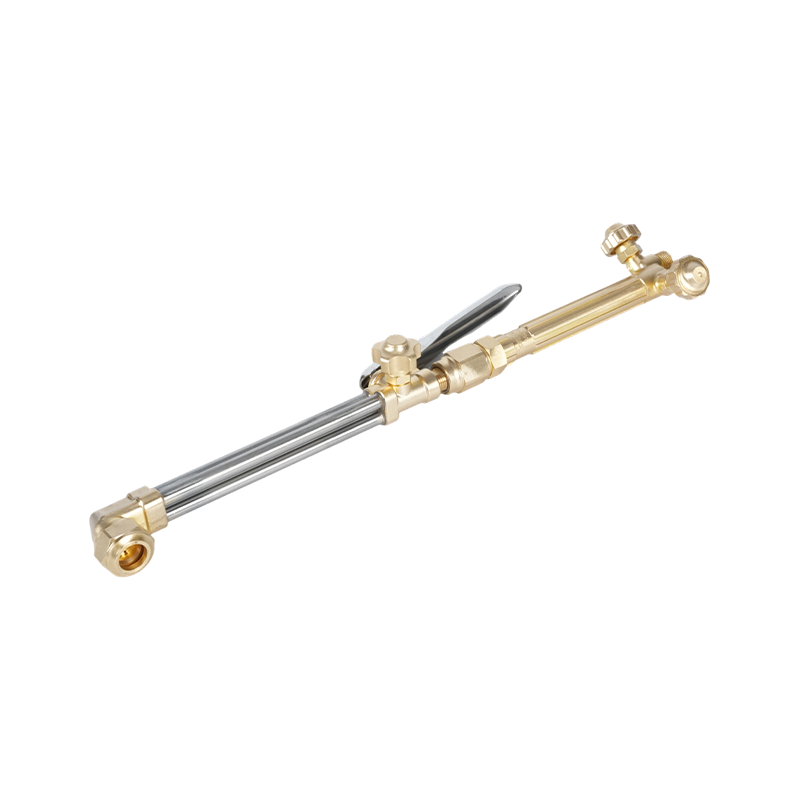
Your workstation needs a gas cutting torch, but the moment you start comparing models, the specs stop making sense. Every supplier calls its product heavy duty, yet the handles weigh differently, the tips fit different gases, and the safety features range from simple check valves to full flashback protection. After two decades of manufacturing oxy-fuel cutting equipment, we can tell you that the selection process comes down to four questions: which fuel gas, what duty cycle, which tip series, and what safety devices sit between the cylinder and the flame. Answer those four, and the rest is mostly compatibility.
Content
Fuel Gas Is the First Decision: Acetylene or Propane
A gas cutting torch is engineered around its fuel gas. Acetylene burns at about 3160°C and remains the standard choice for general fabrication, repair work, and any job that needs a concentrated, high-temperature flame. Propane burns at roughly 2800°C, costs less per cut, and is widely chosen in production shops that cut steel continuously. The difference is not just flame temperature. Acetylene tips use a small number of narrow preheat orifices; propane tips use more and larger orifices because propane must flow at a higher volume to deliver the same heat. The torch body, the mixer, the tip, and the regulator are therefore each marked for a specific fuel gas.
| Property | Acetylene | Propane |
|---|---|---|
| Approximate flame temperature | 3160°C | 2800°C |
| Typical applications | General fabrication, repairs, welding | Production cutting, heating, thick plate |
| Preheat orifice design | Fewer, smaller | More, larger |
| Cylinder pressure | Low, around 15 psi | Stored as liquid, higher pressure |
| Operating cost per cut | Higher | Lower |
Choose the fuel gas first, then buy a torch body and tip set rated for that gas. If the shop already has regulators and hoses, check their gas marking as well. A torch handle built for acetylene must not be used with propane unless the manufacturer explicitly states that the model is rated for both gases. In our product line, the heavy duty oxygen-acetylene torches and the propane torches are separate models even when the handle looks the same, because the internal mixer and valve seats differ.
Match the Duty Class to Your Cutting Schedule
Duty class tells you how much heat the torch body can absorb and shed during continuous work. Light duty torches are sized for sheet metal, occasional trimming, and light maintenance. Medium duty models handle general fabrication and intermittent cutting of steel up to roughly 30 mm. Heavy duty torches are built for production shifts, thick plate, and the kind of handling that lighter tools will not survive. Remember that the duty class of the body sets the thermal capacity, while the tip size sets the maximum plate thickness. A heavy duty handle does not automatically cut thicker steel; it lets you cut for longer without the torch overheating.
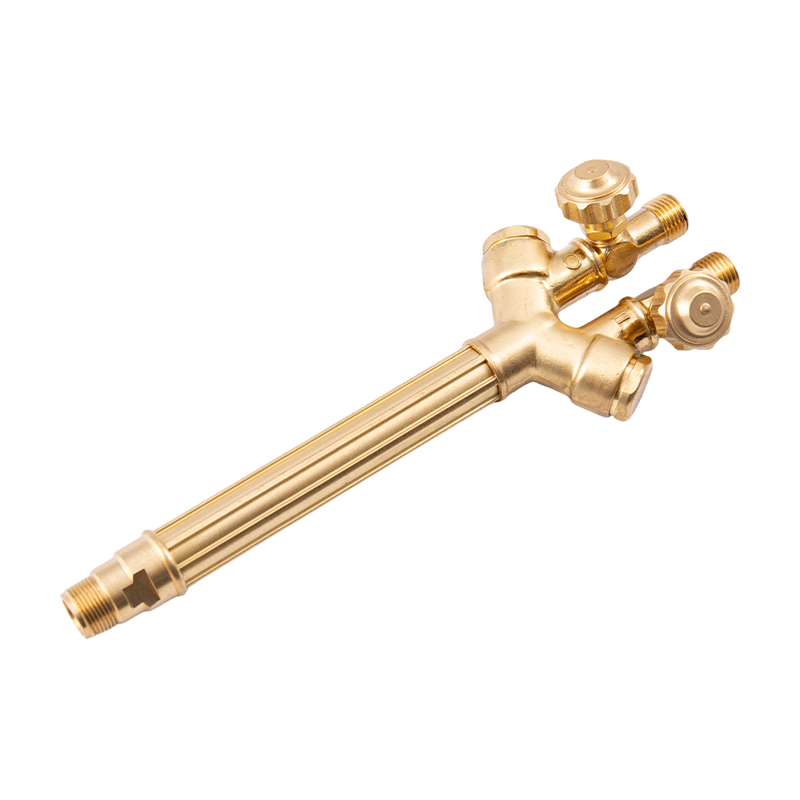
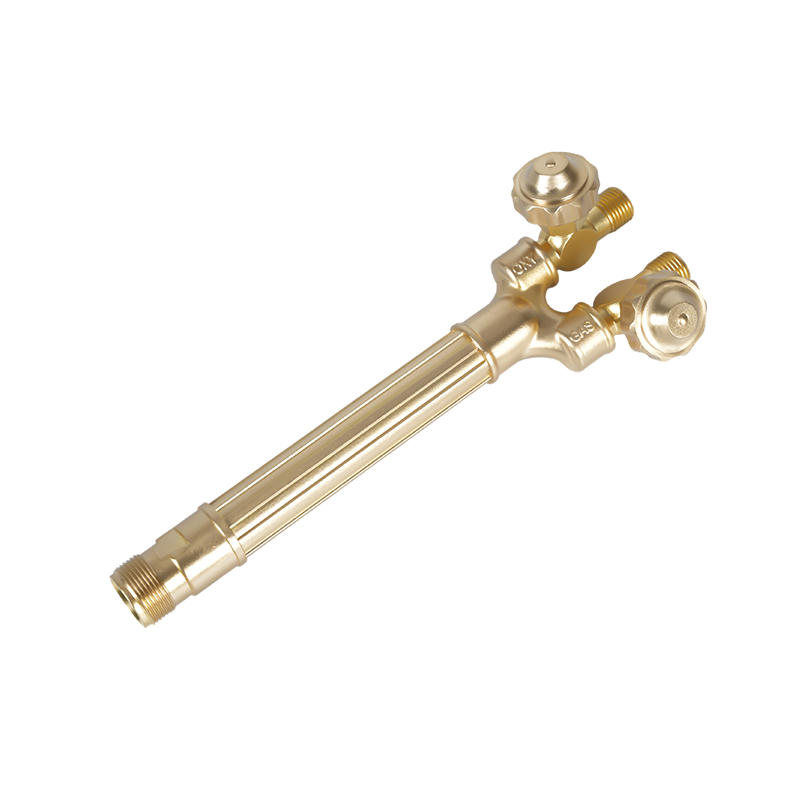
Handle construction is the physical difference you will feel on the shop floor. Brass is the classic material because it conducts heat well, resists impact, and gives the torch a stable balance. It is standard on our heavy duty and medium duty handles. Aluminum is lighter and appears on certain models for operators who prefer a reduced tool weight during long welding or brazing sessions, but it dents more easily. The trade-off between durability and weight is a real purchasing decision, not a marketing detail.
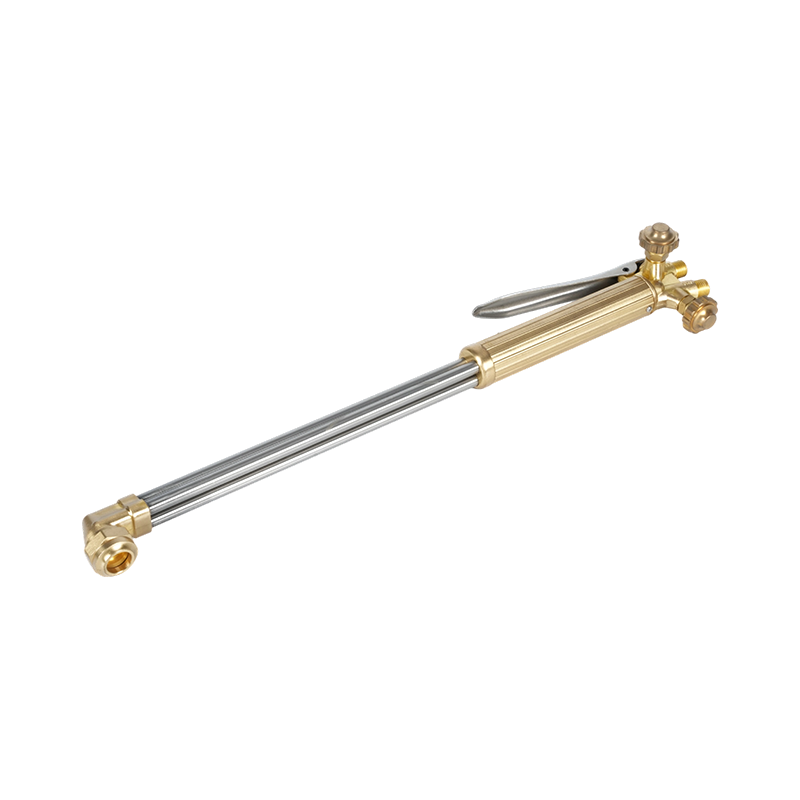
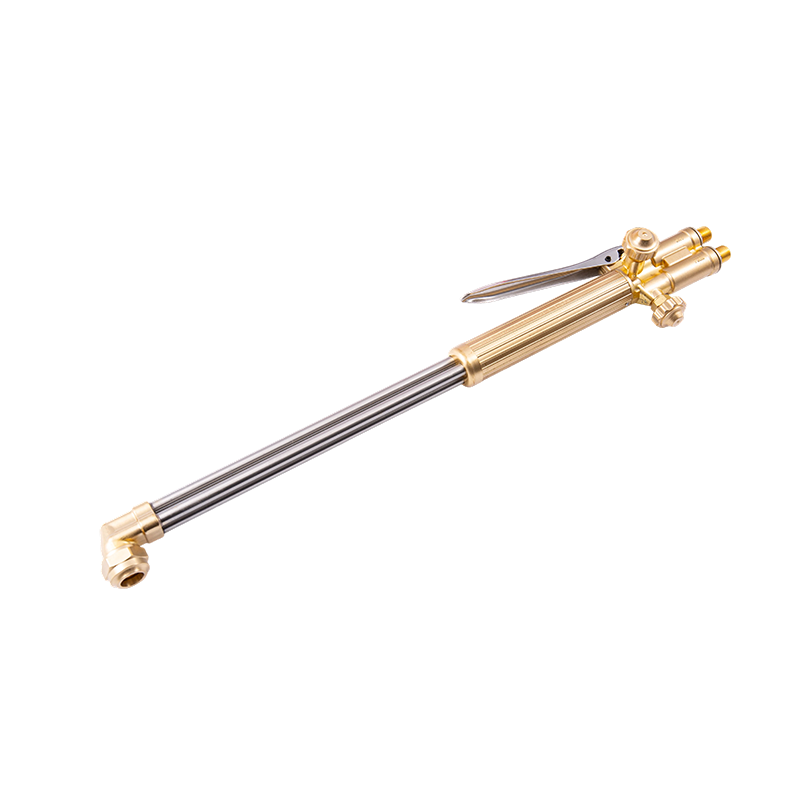
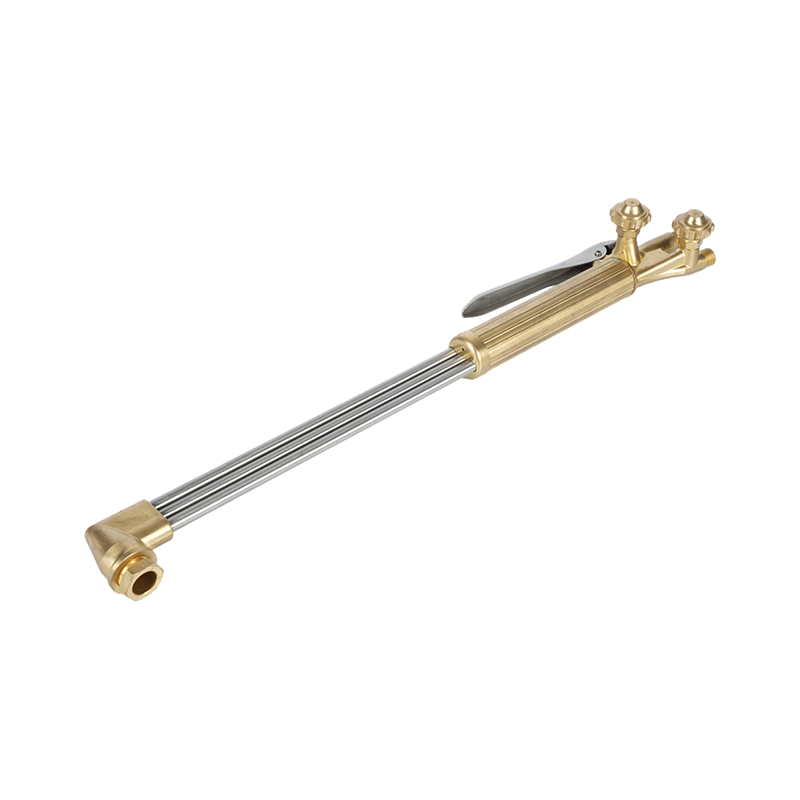 B400 Heavy-Duty Handheld Oxy-Acetylene Cutting Torch with Forged Brass HeadThis torch combines a durable forged brass head with a dual-tube design for stable gas flow, offering up to 300mm cutting depth. It supports both acetylene and propane nozzles, making it a versatile heavy-duty choice.View Product →
The B400 heavy duty handheld oxygen-acetylene cutting torch is a good example of what a heavy class rating should mean in practice: a brass body, metal gas valves, and a tip seat that accepts standard acetylene tips. Handheld torch models combine the handle, cutting attachment, and often a tip into a single assembly, which is convenient for maintenance crews that want a reliable tool without managing separate components. Separate handles and cutting attachments offer more flexibility, but they also add more chances to mismatch the fuel gas or the seat geometry.
Cutting Tips Are Where the Cut Actually Happens
All the gas delivered by the torch body is shaped into a usable cut at the tip. A cutting tip has a central bore for the cutting oxygen jet, surrounded by a ring of preheat orifices. The relationship between the preheat flame and the cutting jet, the distance from the tip face to the workpiece, and the cleanliness of those orifices determine cut quality more than any other variable. A tip with carbon-clogged preheat holes produces an uneven flame and a slow cut no matter how well built the torch is.
The first compatibility rule is the fuel gas. Acetylene and propane tips are not interchangeable. The preheat hole size and spacing are different, and running the wrong tip can cause the flame to burn back into the mixing chamber. The second rule is size. Tip numbers roughly correspond to steel thickness: a number 0 or 1 tip suits sheet metal up to about 6 mm, a number 2 or 3 tip suits 10-25 mm plate, and a number 4 or 5 tip is needed for 25-50 mm sections. Use the manufacturer's oxygen pressure chart for the exact setting. Too little oxygen pressure produces a rough edge and rewelded dross; too much pressure cools the cut and wastes gas.
The third rule is the regional standard. American, European, Japanese M-type, and Australian tips differ in thread form, seat angle, and overall length. A handle built for one standard will not seat a tip from another standard correctly, even if the thread looks familiar. When you order a torch, confirm which tip standard it uses and make sure replacement tips are available from a local source. Keeping one tip series per station, such as the 1502 series acetylene tips for our medium and heavy duty handles, is the easiest way to avoid mistakes when the operator reaches into the spare parts drawer.
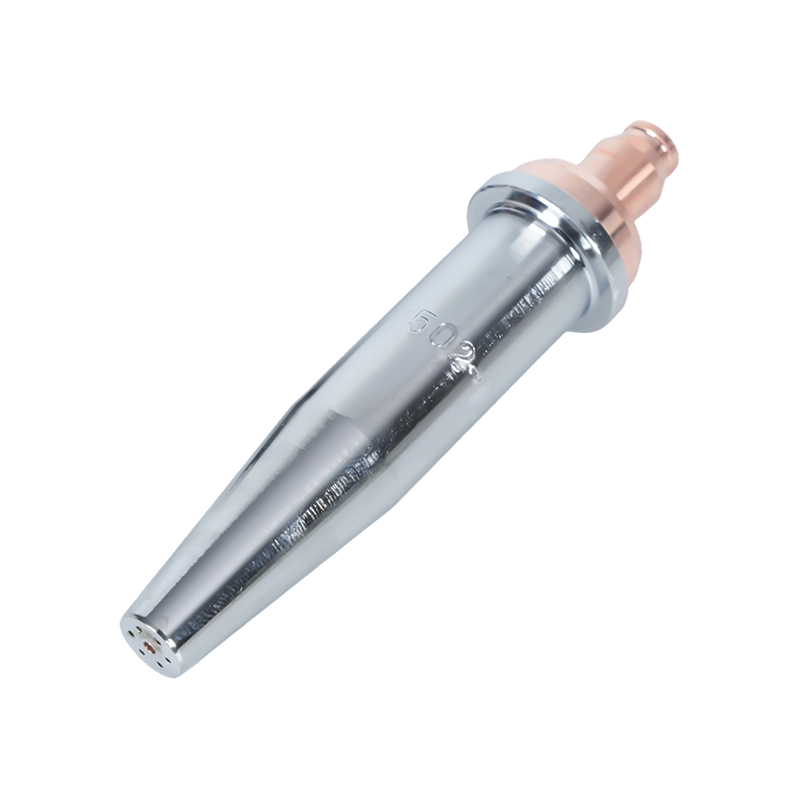 1502 Series Acetylene Cutting Tip for Heavy and Medium Duty TorchesDesigned to match standard acetylene handles, this copper tip provides stable flame control and clean cuts in demanding work. Its compatibility with 1502 series nozzles simplifies replacement and maintains consistent cutting performance.View Product →
Flashback Arrestors Belong in Every Gas Train
Oxygen and fuel gas reach the torch through separate hoses, and both lines need protection. Two failure modes matter. Backflow happens when high-pressure oxygen pushes into the fuel line or fuel leaks into the oxygen line, creating a flammable mixture inside the hose or regulator. Flashback happens when the flame itself travels backward through the tip, past the mixing chamber, and into the hoses. A flashback can burst a hose or damage the regulator within seconds, which is why the equipment between the cylinder and the torch is not the place to save money.
Check valves are the minimum protection: they let gas flow in one direction only. Flashback arrestors go further by extinguishing the flame front and sealing the line automatically when a flashback occurs. Fit one on the oxygen line and one on the fuel line, either at the torch inlet or at the regulator outlet, so the entire hose run is protected. Some torch handles include internal check valves as a basic feature, but that does not replace a proper arrestor. The B288 series oxy-acetylene flashback arrestor is a compact unit that fits at either position and its internal element can be serviced when it wears.
 B288 Series Oxy-Acetylene Flashback Arrestor with Serviceable Internal ElementThis compact arrestor protects torch hoses by stopping flame front travel and sealing the line automatically. Its serviced internal element and compatibility with multiple fittings make it a practical safety upgrade for oxy-acetylene setups.View Product →
Beyond the hardware, the operator's procedure matters just as much. Hoses need to be purged before lighting, the torch should be lit with the correct sequence, and the work area must be clear of combustibles. We cover the complete set of precautions in our article on gas cutting torch safety precautions.
What to Verify Before You Place an Order
Once you have settled the gas, duty class, tip standard, and safety devices, run through four final checks before ordering.
- Gas marking on the torch body. The handle or cutting attachment should be permanently marked with the fuel gas it is certified for, and the marking must match your supply.
- Thread and seat compatibility. Confirm that the torch inlet threads match your regulator outlets and hose fittings, particularly when mixing imported equipment. BSP and CGA are common standards, but they are not interchangeable.
- Spare parts availability. A torch is only as useful as its consumable supply. Ask for the complete tip range, seal kits, and typical delivery times before committing.
- Manufacturing capability. For B2B buyers, the deeper question is whether the factory can deliver consistent quality in volume. Look for in-house forging, CNC machining, and measurement capability, because those determine how well the supplier controls thread accuracy, orifice concentricity, and surface finish.
Those checks matter whether you are buying five torches for a workshop or five hundred for distribution. A supplier that manufactures the torch body, handle, tips, regulators, and flashback arrestors under one roof can confirm gas compatibility across the whole set and support custom requirements such as private labeling or machining to your drawings. Contact our engineering team to review your gas cutting torch setup, and we will confirm the right handle, tip, and safety configuration for your application.
A Gas Cutting Torch Is a System, Not a Single Component
The gas cutting torch is simple in principle and demanding in practice. Pick the fuel gas first, choose the duty class that matches your shift pattern, keep the tip series consistent with the gas and the material thickness, and install flashback arrestors on every line. If you settle those four points before you order, the torch that arrives will be the one your operators can rely on for years.