
 English
 中文简体

When you are standing in front of a production schedule and a welder is waiting for the right torch, the first question is not which process looks better on paper. It is which one your operators can run consistently, and what that choice costs you in rework. The short answer is: on MIG, a continuously fed wire melts into the joint, which makes it faster and easier to learn. On TIG, a tungsten electrode stays solid and a filler rod is added separately, which gives you more control but demands more skill. That single difference drives every other comparison between them.
Content
What Actually Happens in the Arc
MIG stands for Metal Inert Gas and is also called GMAW. A spool of solid wire is fed through a gun, an arc forms between the wire and the workpiece, and the wire itself melts into the weld. You set the wire feed speed and voltage; shielding gas, either argon, CO2, or a mix, protects the molten pool from the air. This creates a clean, high-deposition process.
TIG stands for Tungsten Inert Gas and is also called GTAW. An arc is struck between a tungsten electrode and the workpiece, but the tungsten does not melt. The weld pool is made by melting the base metal, and you add filler from a separate rod with your free hand. Pure argon is the usual shielding gas, and a foot pedal or trigger controls amperage as the weld progresses.
Because the filler is separate in TIG, the heat input is more manageable. Because the wire is self-feeding in MIG, the arc is maintained by the wire feed and the operator has less to think about. That explains why MIG is naturally suited to longer, thicker, higher-volume work, while TIG finds its niche in precise thin or hard-to-weld metals.
| Aspect | MIG Welding | TIG Welding |
|---|---|---|
| Electrode | Consumable wire, fed continuously | Non-consumable tungsten electrode |
| Filler material | Melting wire is the filler | Filler rod added by hand separately |
| Shielding gas | Argon, CO2, or mixed gas | Argon or argon-helium |
| Amperage control | Voltage and wire feed settings | Foot pedal or fingertip control |
| Skill requirement | Lower, more forgiving | Higher, needs hand-eye-foot coordination |
How the Difference Affects Your Shop
Weld speed and deposition rate
MIG fills a joint quickly because the wire delivers metal nonstop. In 5 mm carbon steel, a capable MIG operator can often make one solid pass, while TIG would require multiple passes and more time. MIG also runs well at higher travel speeds, which is why it is the usual choice for structural fabrication and body panels.
Quality, rework, and the operator learning curve
TIG does not produce spatter, which means no grinding or wire brushing between passes, and it leaves a clean surface that suits painting and polished stainless. MIG will sometimes spatter, and spatter becomes a cost when the product requires cosmetic finishing. TIG is easier to control on root passes and on metals that are sensitive to heat, but it is harder to learn because it uses both hands and one foot.
Where each process makes more sense
- Thin sheet from about 0.5 to 3 mm usually favors TIG, since the lower heat input reduces burn-through.
- Plate from about 3 mm and thicker commonly favors MIG, because productivity matters more and the material can absorb faster heat.
- Aluminum in thicker gauges is often MIG with a spool gun; thinner aluminum parts are often TIG for better control of the weld pool.
- Stainless steel that must look uniform on the inside of a tube or vessel is a TIG application.
Equipment and Consumables: The Cost Side by Side
The purchase price of the machine is only one part of the picture. In production, the consumables, gas, and labor hours usually decide which process is more economical for your shop.
| Cost factor | MIG | TIG |
|---|---|---|
| Power source type | Constant voltage / wire feeder | Constant current |
| Extra machine | Wire feeder and gun | Torch; water cooling for high duty cycles |
| Consumables | Wire spools, contact tips, liners | Tungsten electrode, filler rods, gas cups |
| Gas consumption | 15 to 25 CFH of argon/CO2 | 10 to 20 CFH of pure argon |
| Operator cost | Lower with less-experienced operators | Higher when skilled welders are required |
If labor is expensive and throughput is critical, MIG wins on most steel and some stainless work. If rework and appearance are what drive the budget, TIG often turns out to be cheaper per acceptable weld, even though it costs more per hour.
Preheating, Gas Control, and the Equipment Around the Weld
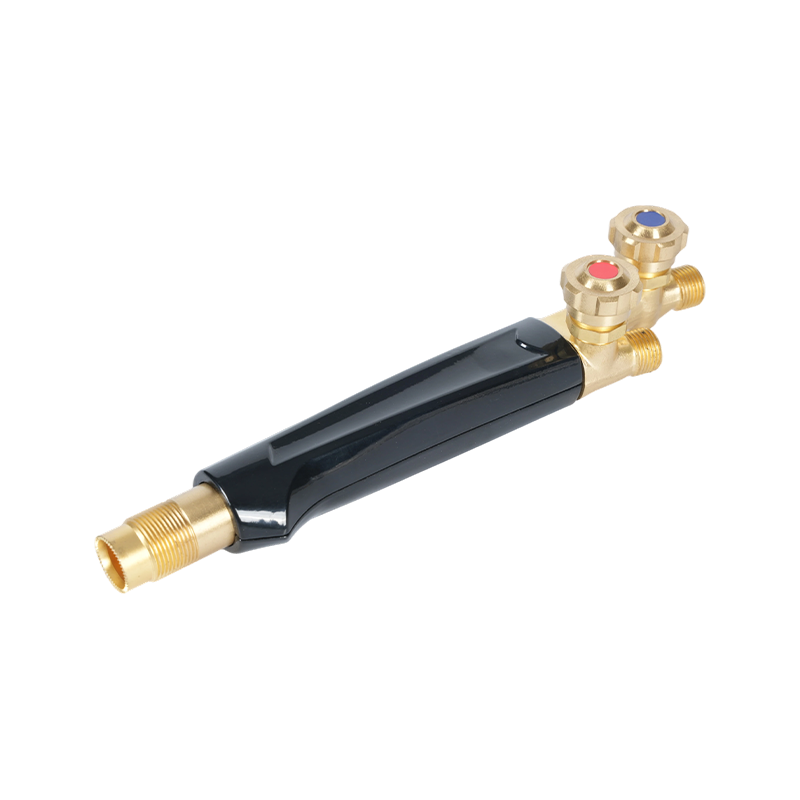
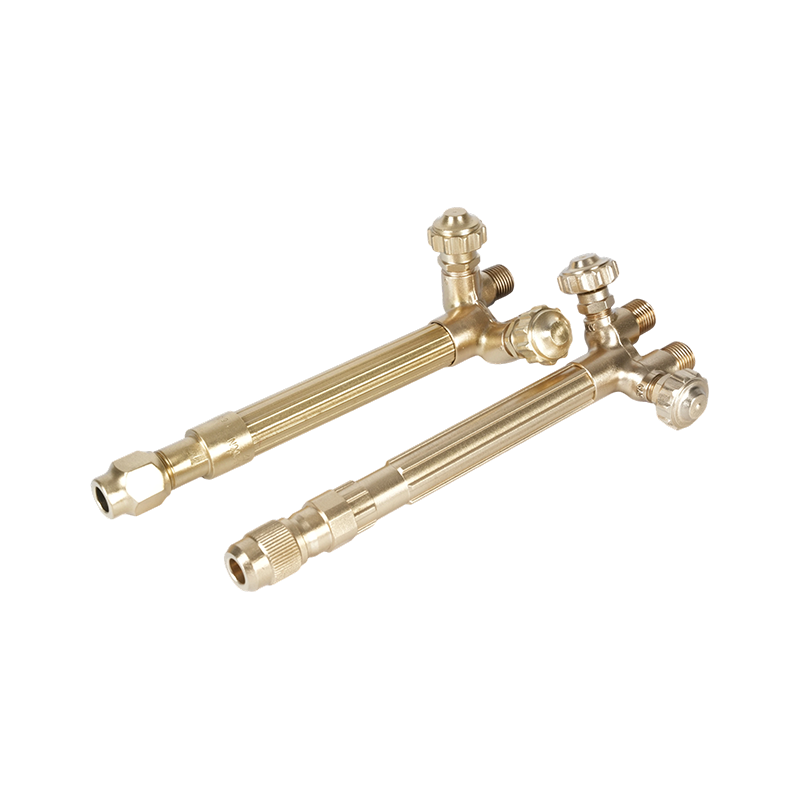
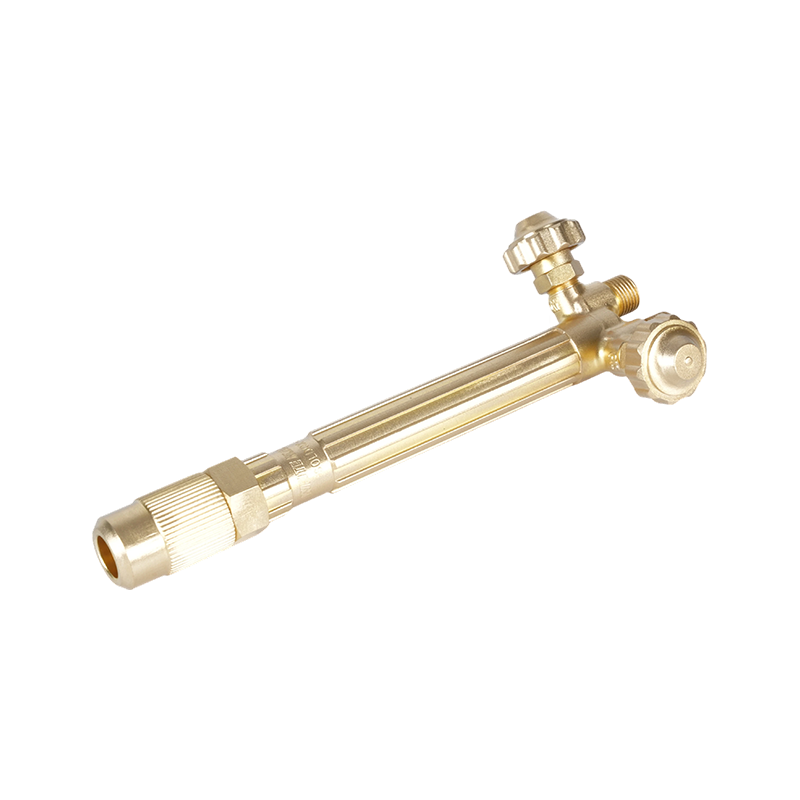
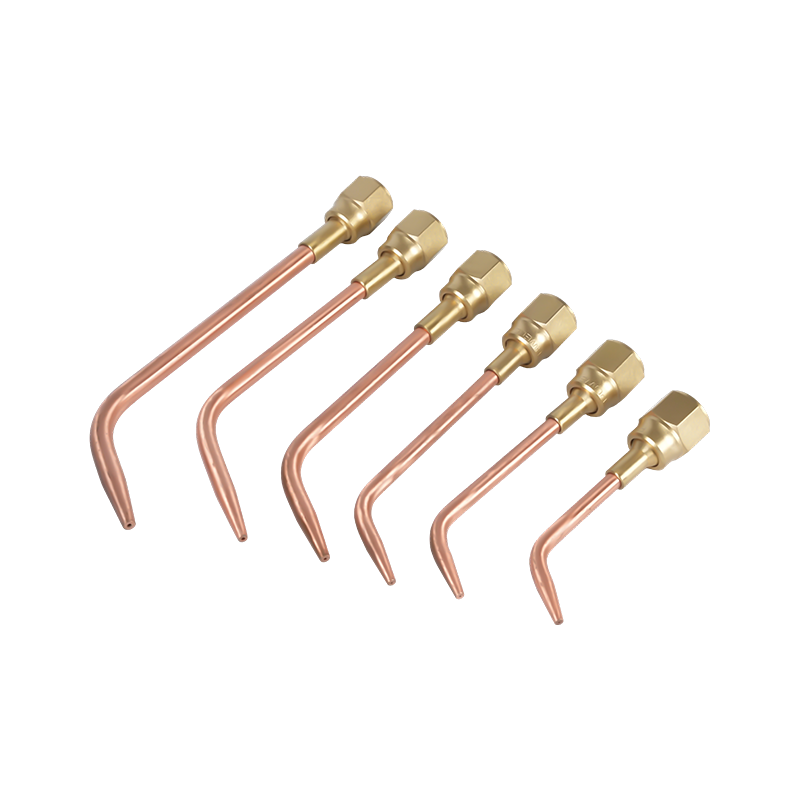
Even when the actual fusion is MIG or TIG, the work cell is never just the welding machine. A typical example is a heavy aluminum or thick stainless part that needs preheat before the root pass, to reduce the risk of weld cracking and to make the pool sit properly. A compact oxy-acetylene heating torch is a common way to bring the section up to temperature on the floor without complicating the welding setup.
 HE-505 Heavy-Duty Oxy Acetylene Heating Torch for Preheating and WeldingThis compact torch provides controlled flame for preheating thick metals before welding, reducing crack risk. It also handles brazing, annealing, straightening, and thawing, making it a versatile addition to your work cell.View Product →
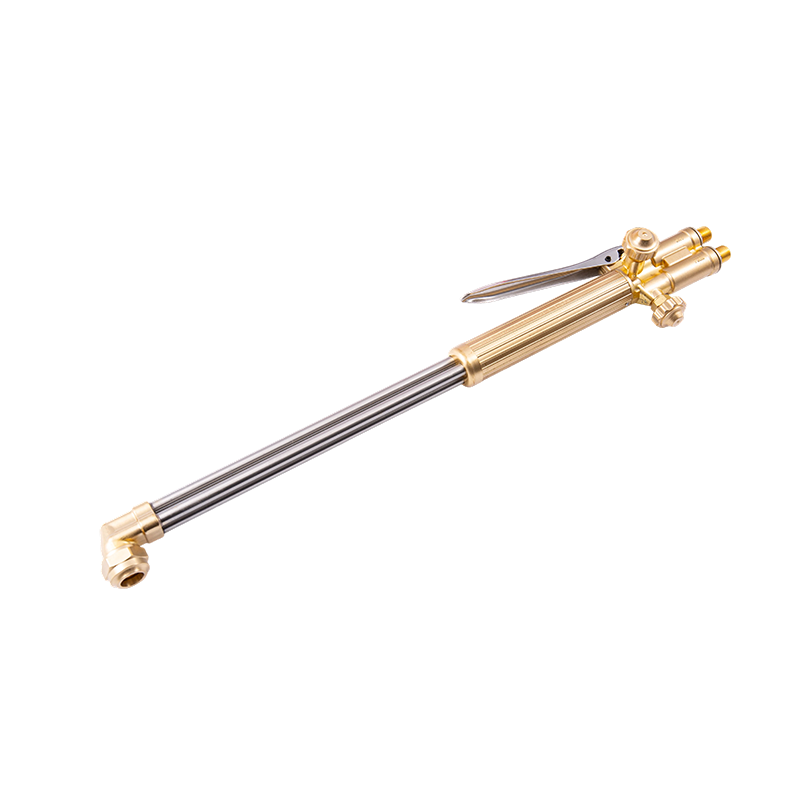
Heating torches and gas control equipment are often supplied by the same manufacturer that makes cutting attachments, torch handles, and pressure regulators. The process you choose is not the only decision: the supporting tools need to be dependable when the schedule is tight.
Making the Decision: What to Tell Your Purchasing Team
Choose MIG when production volume is high, material thickness is above roughly 3 mm, spatter is acceptable, and you have a limited pool of highly skilled operators. Choose TIG when weld appearance is a requirement, wall thickness is low, the material is heat-sensitive, or the finished joint must perform in a corrosive or mechanically demanding service.
In a mixed shop, many teams keep both processes available. TIG can handle the root pass on pipe and the stainless work that has to look smooth, while MIG carries the heavy fillet welds. The trade-off is not about finding the one perfect process; it is about matching the process to the part, the volume, and the operator available.
When you are evaluating a welding or cutting equipment supplier for an OEM production line, the value is in finding a manufacturer that controls the full machining and forging process. The ability to build custom torch handles, heating torches, and gas cutting components in-house is what makes procurement more predictable. If you are discussing a custom supply arrangement, talk to our engineering team about your drawings and production requirements.