
 English
 中文简体
中文简体
Before you light a cut off torch, the decision that matters most is not the handle color or the tip size. It is whether the torch matches your gas supply, cutting load, and safety setup. A well-built torch with the right nozzle and proper flashback protection will cut cleaner, last longer, and keep your crew safer than a generic unit that is simply fast to grab. That is why experienced fabricators choose a specific torch for a specific job rather than relying on one all-in-one tool.
Content
What a Cut Off Torch Is and How It Works
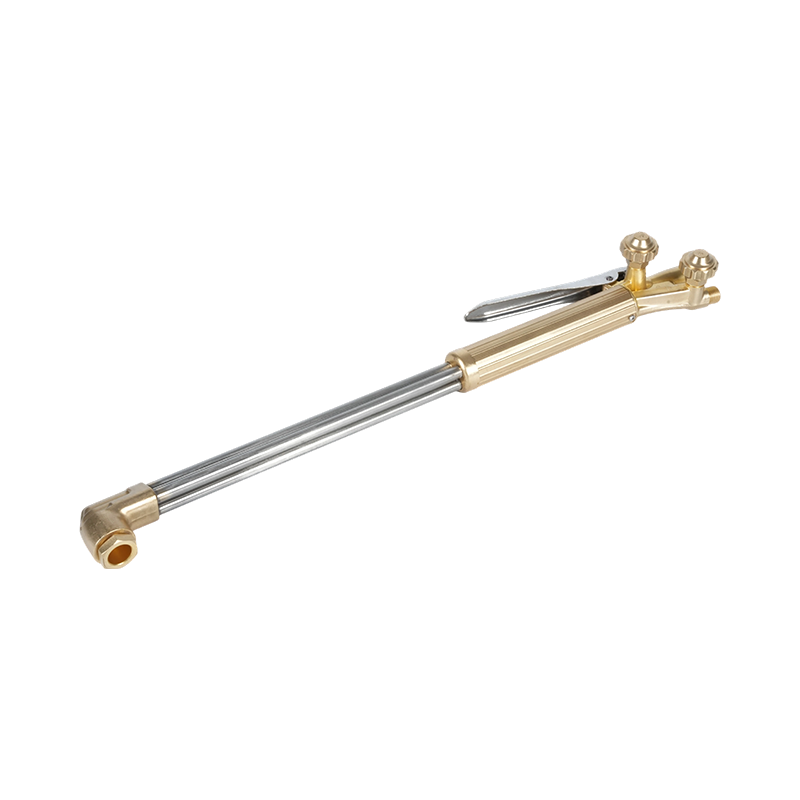
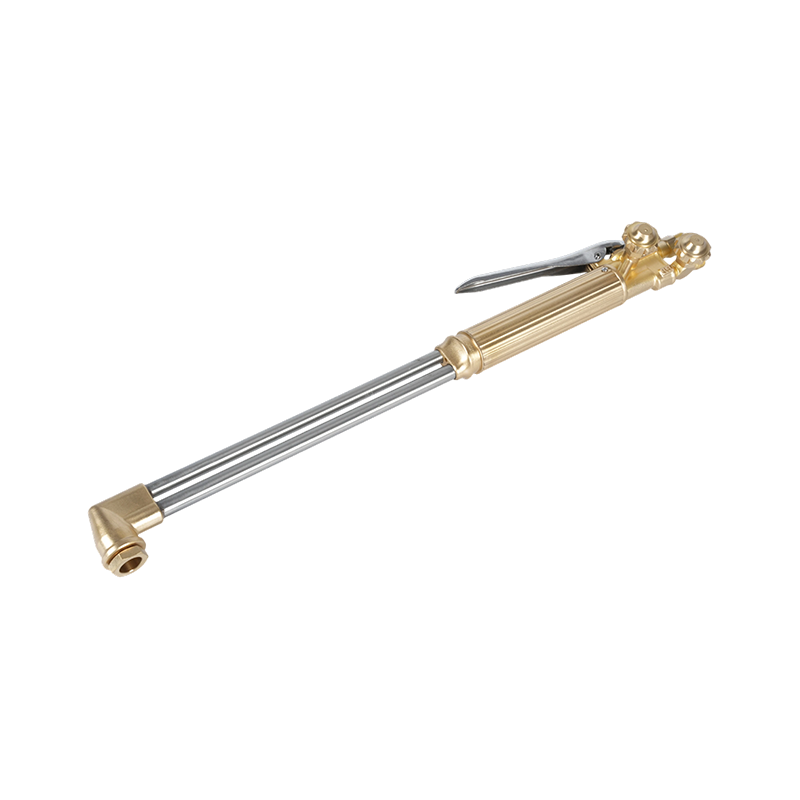
A cut off torch, commonly called a hand cutting torch, is an oxy-fuel tool that uses oxygen and a fuel gas to sever metal. The operator preheats the steel with a flame, then pulls the cutting oxygen lever to create a high-pressure oxygen stream that blows away the molten oxide. The result is a clean kerf that goes fully through the plate.
The torch body itself is only one part of the system. You also have the cutting attachment or integrated handle, the cutting tip or nozzle, the oxygen and fuel valves, and the flashback arrestors that protect the hoses and regulators. Each component has a tolerance range, and mismatched parts can lead to flame instability, poor cuts, or dangerous flashbacks.
From a manufacturing perspective, the most reliable cut off torches share three traits: forged brass or aluminum bodies that resist distortion, precision-machined gas passages that deliver consistent flow, and high-quality cutting tips that are sized for the oxygen and fuel pressures you actually use.
Key Considerations Before Buying a Cut Off Torch
Start with the duty class. Heavy-duty torches handle thicker plate and longer continuous cutting, while medium and light models are easier to handle for thin metal and occasional work. If you pick a light torch for heavy structural steel, you will spend more time preheating and risk overheating the handle. If you pick a heavy torch for sheet metal, the larger tip will be inefficient and hard to control.
| Duty Class | Handle Weight | Typical Cutting Range | Gas Compatibility | Handle Material |
|---|---|---|---|---|
| Heavy Duty | 500 to 900 g | 10 to 150 mm steel | Oxy-acetylene or oxy-propane | Brass or aluminum |
| Medium Duty | 300 to 500 g | 3 to 50 mm steel | Oxy-acetylene or propane | Brass |
| Light Duty | 150 to 300 g | 1 to 10 mm steel | Acetylene | Brass |
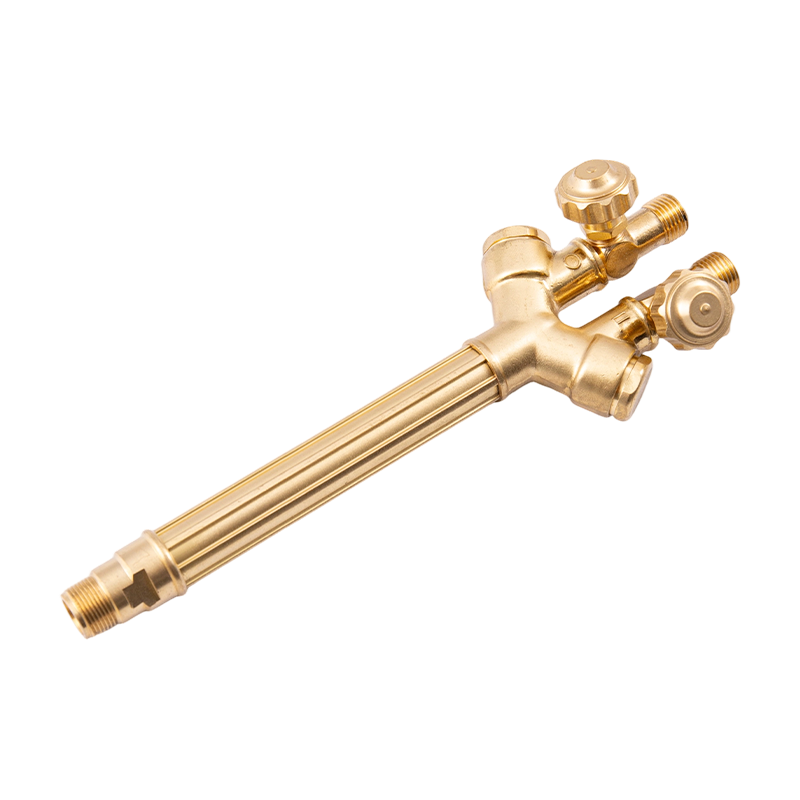
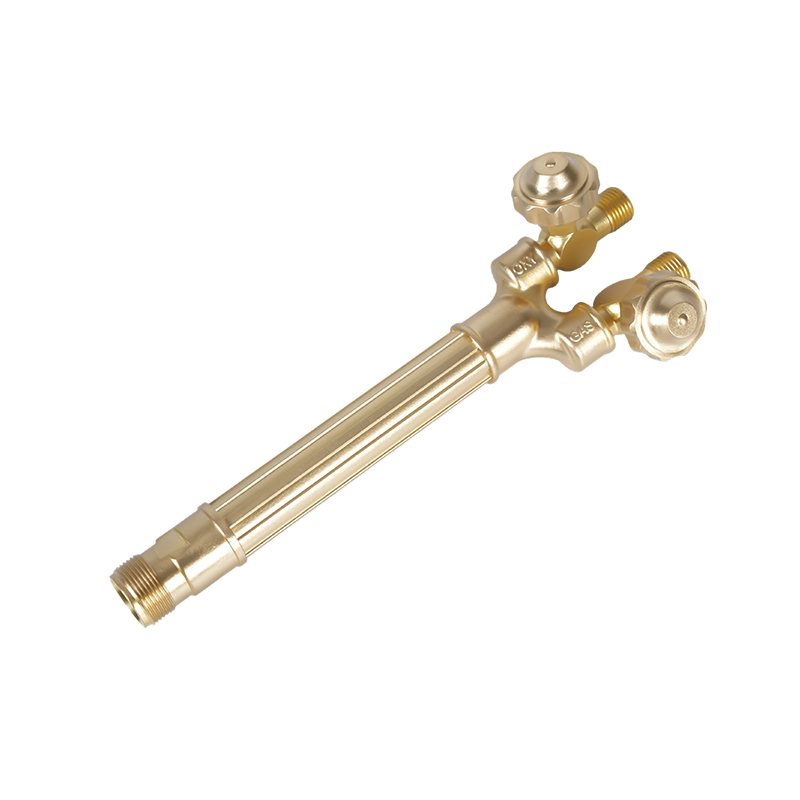
For sustained heavy plate cutting, a forged brass handle with a large cutting lever gives you the grip and heat resistance you need. The B400 heavy-duty handheld oxygen-acetylene cutting torch is built for this kind of work. Its design keeps the oxygen and fuel passages balanced, so you get a stable flame even when you push the cutting oxygen for long strokes.
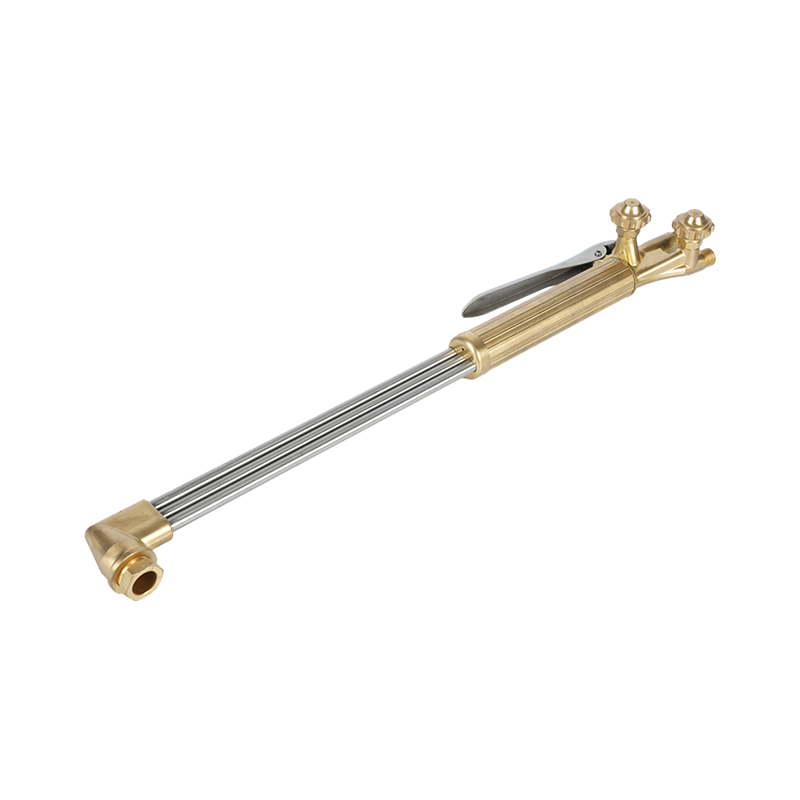 B400 Heavy-Duty Handheld Oxygen Acetylene Cutting TorchThis forged brass torch with dual-tube design offers a stable flame for heavy plate cutting and supports up to 300mm cutting depth. It accepts both acetylene and propane nozzles, making it suitable for extended industrial work.View Product →
You also need to think about connector standards. American, Australian, British, and Japanese styles all use different fittings and thread standards. Buying a torch that matches your existing hoses and regulators is essential. A mismatch on the inlet threads is not a minor inconvenience; it can cause gas leakage that puts your entire shop at risk.
Choosing Between Oxy-Acetylene and Oxy-Propane
Acetylene gives the hottest flame, typically around 3100 degrees Celsius, which makes it ideal for fast preheating and cutting through thick, dirty steel. Propane burns a little cooler, around 2800 degrees Celsius, but it is more stable, cheaper, and safer to store in bulk. The practical difference is that propane needs a different cutting tip geometry and slightly longer preheat time, but it often yields smoother cut edges on carbon steel.
If your shop already runs bulk propane, you should stick with an oxygen-propane torch. If you need maximum preheat intensity and your operation is built around acetylene cylinders, choose an oxy-acetylene model. Do not mix them up. The fuel gas and the cutting tip must be matched, otherwise you will get an unstable flame and unusable cut quality.
For oxy-propane operations, the B500 heavy-duty handheld oxygen-propane cutting torch is a solid companion to a bulk propane system. It uses a specifically designed internal mixing chamber that handles the lower fuel gas pressure and different burn characteristics of propane.
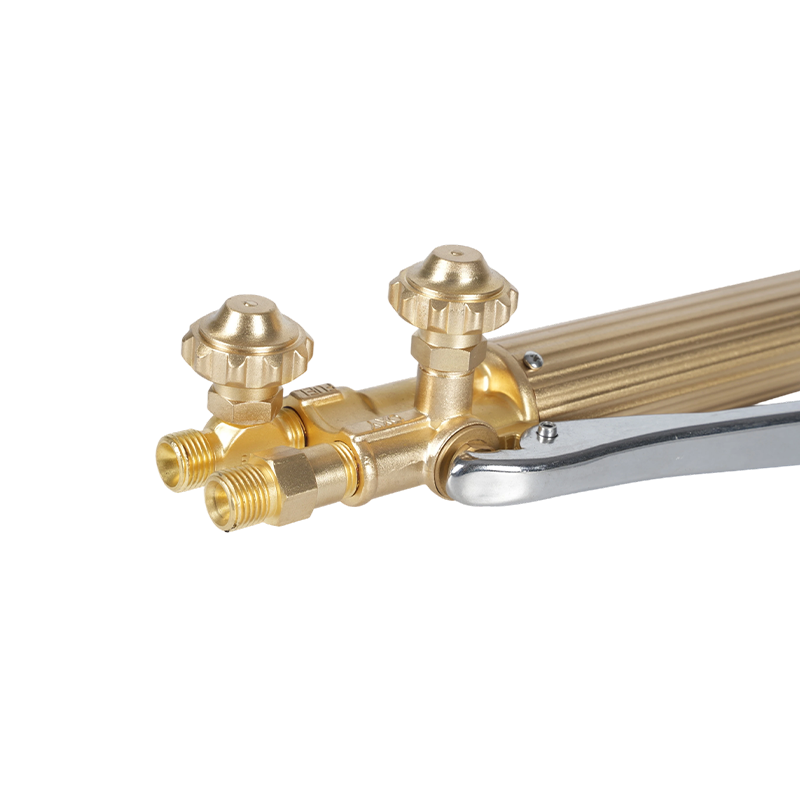 B500 Heavy-Duty Handheld Oxygen Propane Cutting TorchDesigned for oxy-propane operations, this torch features a forged brass head and internal mixing chamber for propane's lower pressure. It ensures stable gas flow for reliable cutting in demanding environments.View Product →
Another consideration is operating pressure. Acetylene service generally recommends regulator settings below 0.1 MPa on the fuel side to prevent decomposition, whereas propane can be used at higher fuel pressures. Cutting oxygen pressure varies with tip size and metal thickness, from roughly 0.3 MPa on small tips to 0.7 MPa on large tips. Always check the manufacturer's range for the specific nozzle you install.
Cutting Tips and Nozzle Maintenance
The cutting tip is where the torch actually does its work. A clean, properly sized tip delivers a sharp oxygen stream and a balanced preheat ring. A worn or plugged tip produces ragged cuts, excessive dross, and a high risk of backfire. This is why every fabricator should keep spare tips on hand and clean them with the correct tip cleaners.
There is a direct relationship between tip size and cutting capacity. For a 10 mm plate, a small tip with fewer preheat holes is enough. For a 60 mm plate, you need a larger tip with more preheat capacity. Choosing a tip that is too large wastes gas and overheats the cut zone. Choosing a tip that is too small forces you to slow down and risks melting the top edge.
All cutting tips are not interchangeable between gases. Acetylene tips have a different internal geometry than propane tips, and using the wrong one can cause the flame to flash back into the mixing chamber. When you select replacements, make sure the series number and style match your torch. You can browse the full range of cutting torch tips to match your specific torch and gas service.
Flashback Arrestors and Safety Practices
A flashback arrestor is not an optional accessory. When a torch backfires, the flame can travel backwards into the hose and regulator. In the worst case, it can explode the hose or damage the cylinder. Every cut off torch station should have arrestors installed at the torch and at the regulator, or at least at the regulator end for commercial systems.
The most common safety issue we see is operators disabling the arrestor because it restricts gas flow. That is a false economy. A functioning arrestor only limits flow slightly, whereas a flashback through a hose can cause catastrophic failure. If you experience repeated backfires, stop and inspect the torch. The problem is usually a worn tip, incorrect gas pressure, or a damaged seat in the mixing chamber.
For all gas cutting work, there are a few non-negotiable rules: purge your hoses before lighting, use a striker instead of a lighter, keep the hoses away from sparks, and never leave the torch burning unattended. For a deeper walkthrough of handling and emergency procedures, see our article on safety precautions when using cutting torches.
Setup, Shutdown, and Daily Inspection
Setting up a cut off torch correctly takes only a few minutes, but the routine prevents most operational problems. Start by checking the O-rings and seats on the torch handle and cutting attachment. Then close the oxygen and fuel valves, connect the hoses, and ensure the flashback arrestors are in place. Open this order, and your workday starts with a predictable flame.
- Open the fuel gas valve on the torch slightly and crack the cylinder valve. Light the flame with a striker.
- Increase fuel flow until the flame is just a little longer than neutral.
- Open the cutting oxygen valve and adjust the oxygen and fuel until you see a distinct neutral flame with a short inner cone.
- When the cut is complete, first close the fuel valve, then the cutting oxygen, and finally the preheat oxygen. This order releases the gas from the mixing chamber safely.
- Shut down the cylinder valves, then purge the lines by opening and closing the torch valves until the hoses are empty.
Daily inspection should include checking for cracked hoses, loose fittings, and burnt O-rings. If a torch has been dropped, inspect it carefully before reuse. Internal hairline cracks in the handle can leak oxygen into the fuel passage, which is a serious hazard.
For shops that need a complete set on the floor, a ready-to-use torch kit saves time and reduces the risk of incompatible parts. The A218 heavy-duty gas cutting torch kit comes with a heavy-duty handle, cutting attachment, and a set of tips that cover common plate thicknesses.
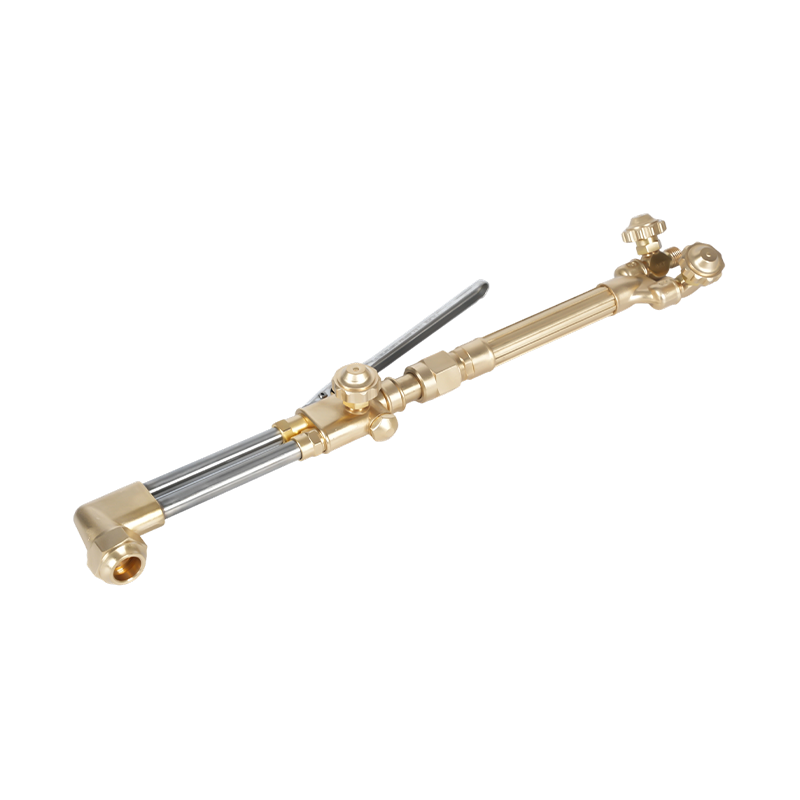 A218 Heavy Duty Gas Cutting Torch KitThis complete kit includes a heavy-duty handle, cutting attachment, and tips for common plate thicknesses. It works with both acetylene and propane, cutting up to 200mm, and is built to endure high pressure and heat.View Product →
In the end, the best cut off torch is the one that matches your gas, your metal, and your maintenance program. Select the duty class that fits your most frequent work, choose the correct gas setup either acetylene or propane, and keep a supply of matched cutting tips on hand. Pair that with a daily inspection routine and working flashback arrestors, and your torch will deliver consistent cuts for years. Then make the final choice based on what breaks less, not on what looks new.