
 English
 中文简体
中文简体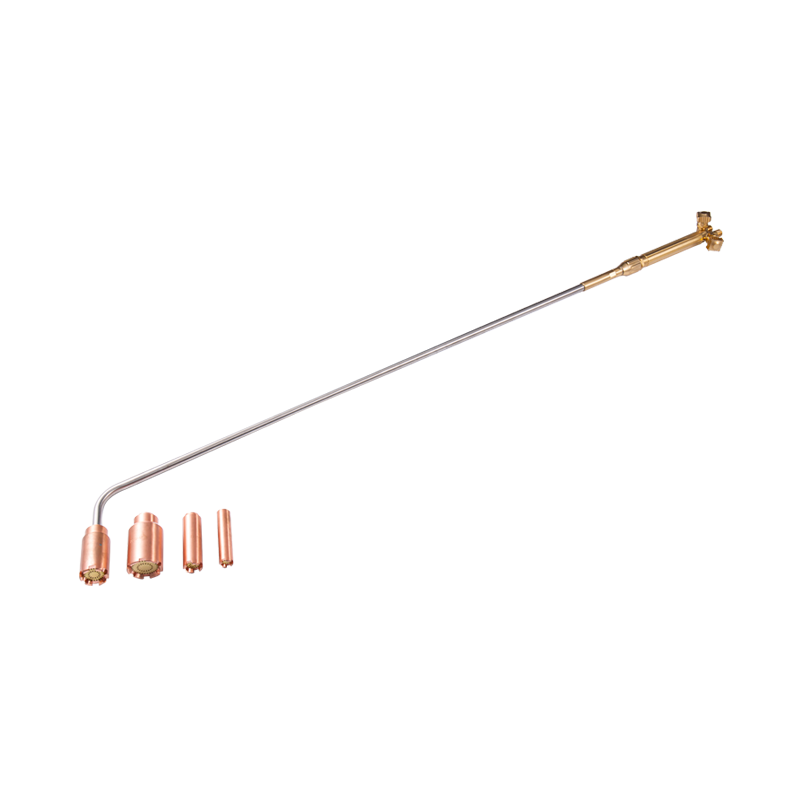
Content
Stick Welding vs. Arc Welding: Clearing Up the Confusion
This comparison trips people up before it even starts, because the two things being compared aren't actually separate categories. Stick welding is a type of arc welding — not a competing process sitting next to it. "Arc welding" is the umbrella term for any process that uses an electric arc to melt metal, and stick, MIG, TIG, and flux-core all fall under that umbrella.
What most people mean when they ask "stick vs. arc" is really "stick vs. the other arc welding processes" — usually MIG or TIG. Stick's formal name is shielded metal arc welding (SMAW), sometimes called manual metal arc welding outside the US. It earned the nickname "arc welding" among older tradespeople simply because, for decades, it was the arc process everyone used by default.
How Stick Welding (SMAW) Actually Works
A stick welder runs current through a consumable electrode — a metal rod coated in flux — held in a clamp. Striking the rod against the workpiece creates an arc, and the heat melts both the base metal and the rod itself. As the flux coating burns off, it produces a shielding gas around the weld pool and leaves behind a layer of slag on top of the cooling metal, both of which keep atmospheric oxygen and nitrogen from contaminating the joint.
That slag layer is the trade-off for how forgiving the process is. Unlike MIG or TIG, which need a shielding gas fed through the gun and a relatively clean surface to work well, a stick electrode can burn straight through mill scale, light rust, or paint and still produce a sound weld. The cost is a chipping and wire-brushing step after every pass to clear the slag before the next one goes down.
Stick vs. Other Arc Welding Processes: MIG, TIG, Flux-Core
Once stick is correctly framed as one arc welding process among several, the more useful comparison is how it stacks up against the others on the metrics that actually affect a job.
| Factor | Stick (SMAW) | MIG (GMAW) | TIG (GTAW) |
|---|---|---|---|
| Equipment cost | Lowest | Moderate | Highest |
| Outdoor/windy use | Excellent | Poor | Poor |
| Surface prep needed | Minimal | Significant | Significant |
| Post-weld cleanup | Slag chipping required | Minimal | Minimal |
| Best on thick material | Yes, over ⅜ inch | Better on thin material | Better on thin material |
| Learning curve | Moderate to steep | Easiest | Steepest |
Stick's biggest structural advantage is independence — no shielding gas bottle means no gas getting blown away by wind, and a stick machine can be small enough to carry to a job site rather than wheeled to it. MIG trades that portability for speed and a much shorter learning curve, which is why it dominates shop fabrication work. TIG trades speed for control and weld quality, making it the choice when appearance and precision matter more than production rate.

When Stick Welding Is the Right Call
Stick earns its keep in situations where the other processes struggle. Outdoor structural work, farm and ranch repair, pipeline construction, and fieldwork in general favor stick because there's no shielding gas to lose in a breeze. Thicker structural steel — plate and beam over ⅜ inch — takes a stick weld well, and the process handles dirty, rusty, or painted metal that would ruin a MIG weld's quality without extensive grinding first.
It also wins on equipment simplicity. A stick welder, a handful of electrode boxes, and a ground clamp is a complete setup that fits in a truck bed, which matters for anyone doing repair work away from a fixed shop.
Beyond the Arc: What Else a Welding Shop Needs
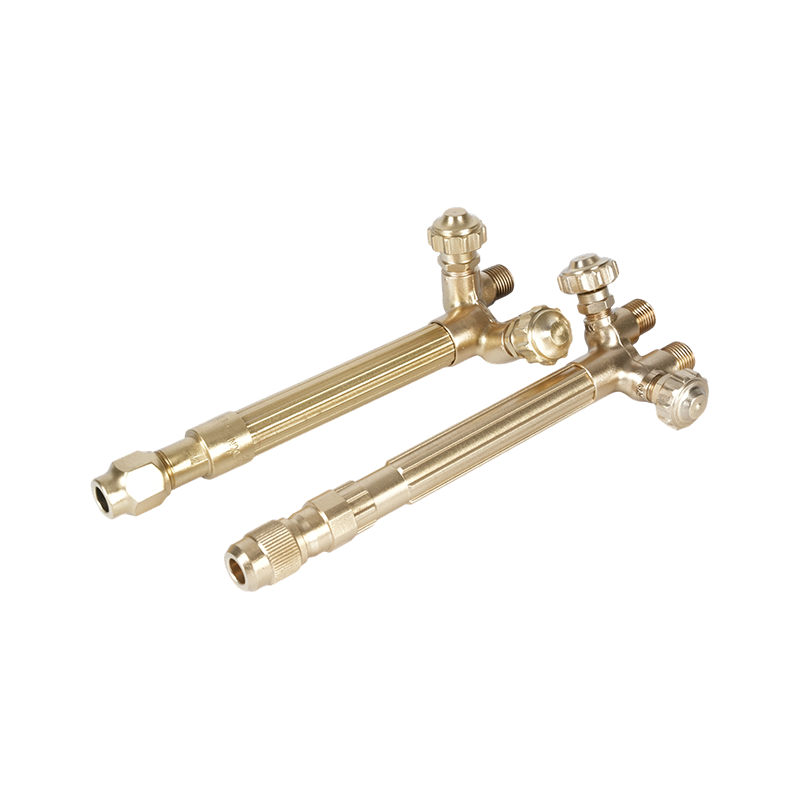
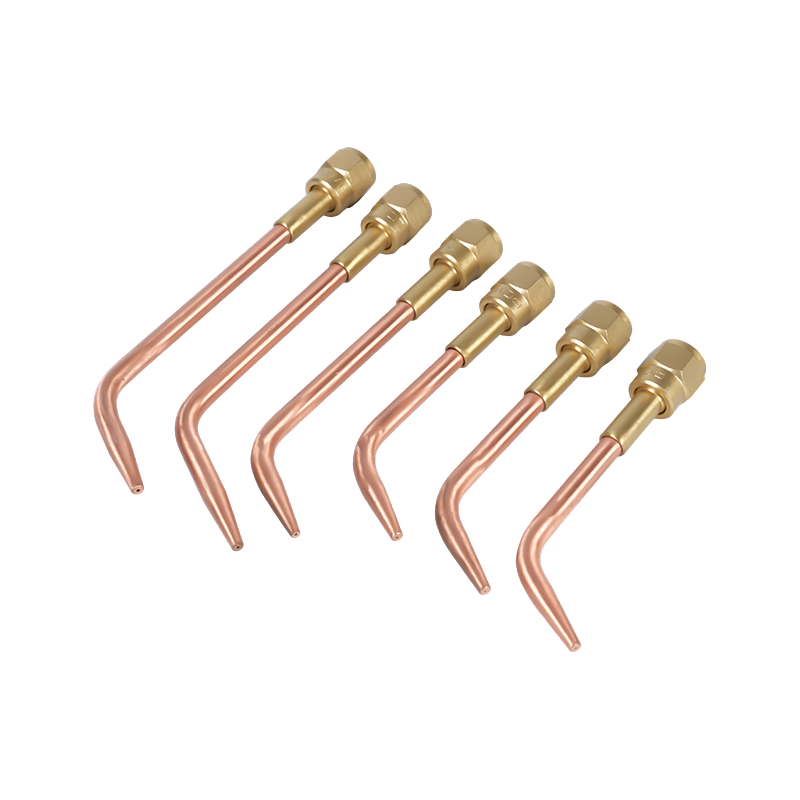
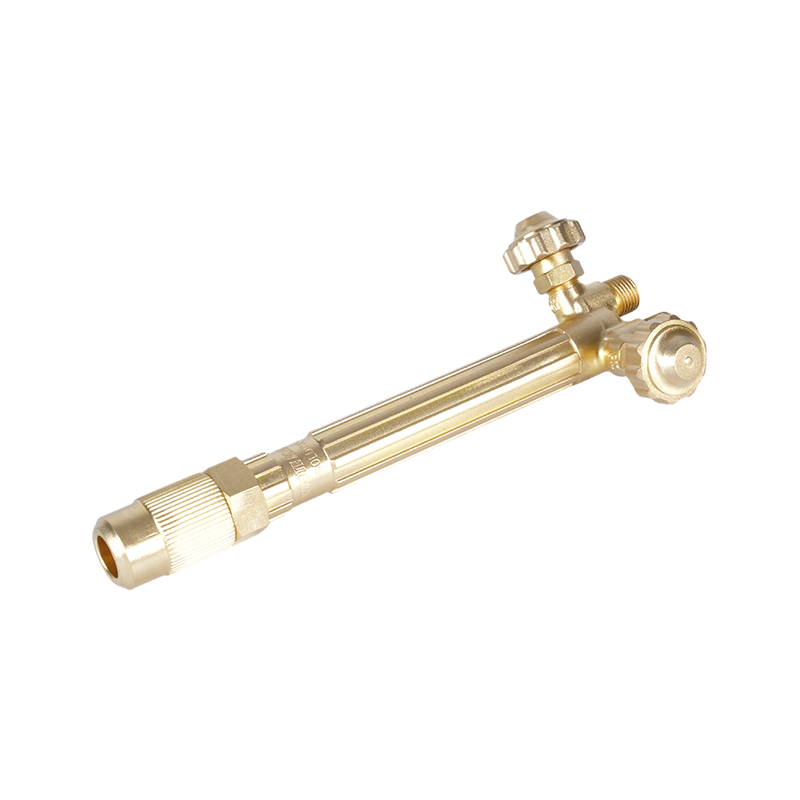
Choosing an arc process is only one piece of the workflow. Most stick welding jobs start and end with steps that have nothing to do with the arc itself. Steel usually needs to be cut to size before it ever reaches the welding table, which is where hand cutting torches for prepping and sizing steel before a weld come in — oxy-fuel cutting remains the standard way to cut thick plate on-site without a plasma table.
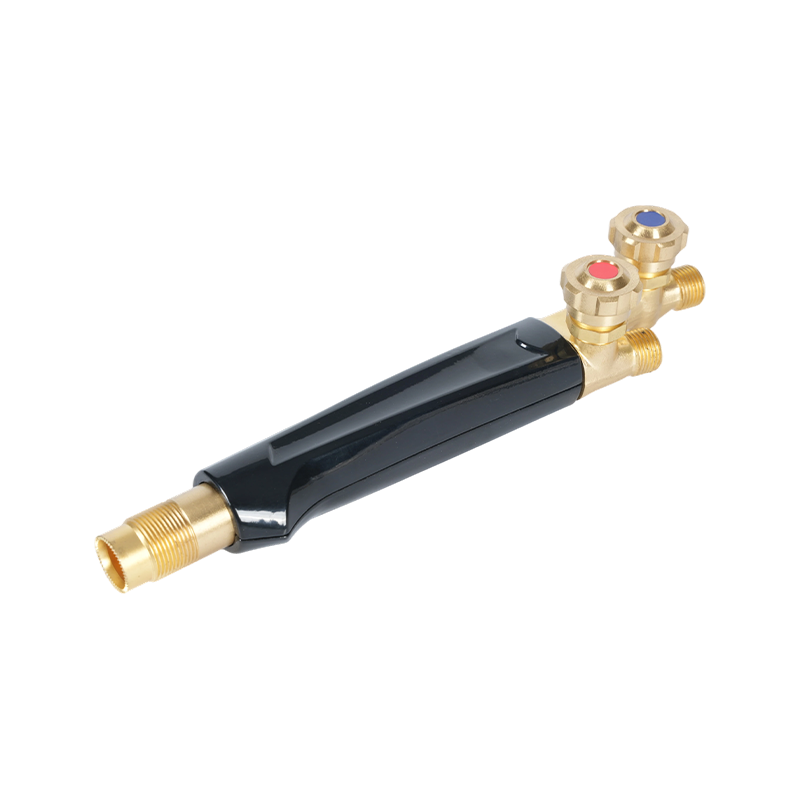
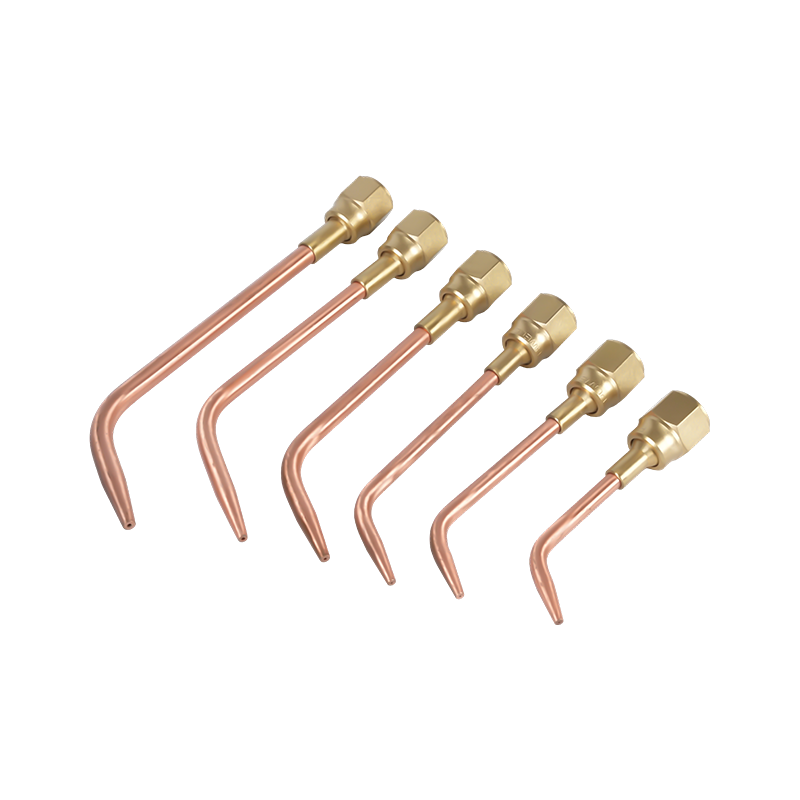
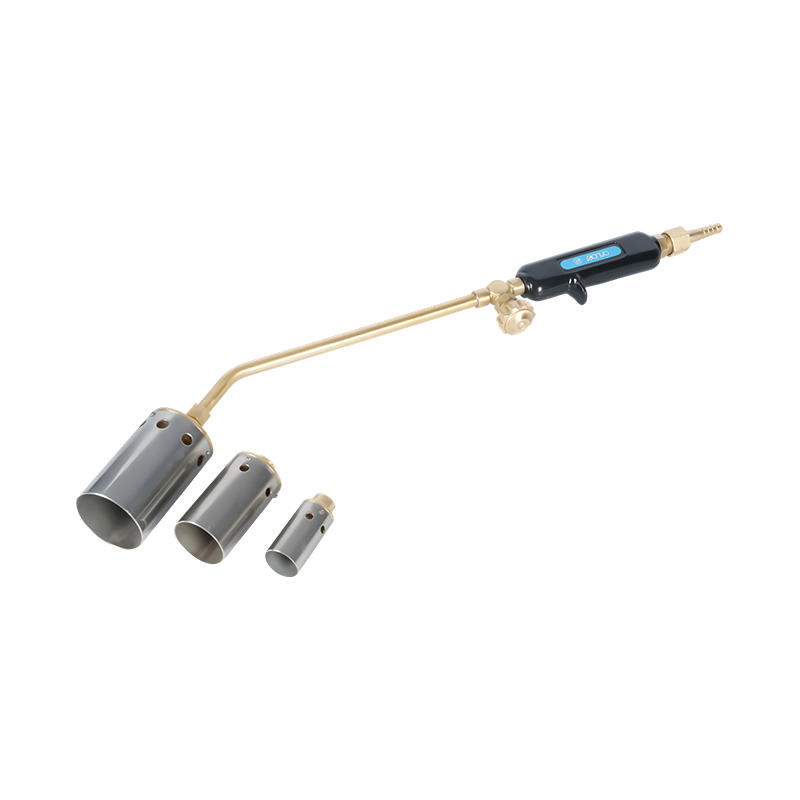
Thick sections also benefit from a preheat pass before the electrode ever touches the joint, since bringing cold steel up to temperature reduces the risk of cracking as the weld cools. An oxy-fuel heating torch to preheat thick steel before welding handles that step on material too heavy for a simple torch tip to warm evenly. Getting the flame size right for the job matters too — cutting torch tips matched to the metal thickness keep the cut clean and reduce wasted gas on both prep and post-weld trimming work.
Staying Safe Around Arc Welding Equipment
Arc welding carries its own hazards separate from any oxy-fuel work happening in the same shop. Electric shock is the primary concern with stick equipment specifically, and OSHA's arc welding and cutting standard sets out requirements for grounding, electrode holder placement, and cable condition specifically to reduce that risk.
Where stick welding shares a workspace with oxy-fuel cutting or heating equipment, gas-side safety needs equal attention. A properly rated gas pressure regulator keeps cylinder pressure within safe limits for the torch downstream, and flashback arrestors that stop a fire from traveling back into the gas line are non-negotiable on any hose running to an open flame. For a closer look at torch-specific precautions, our safety precautions guide for cutting torch operation covers PPE, gas management, and maintenance checks in more depth.