
 English
 中文简体
中文简体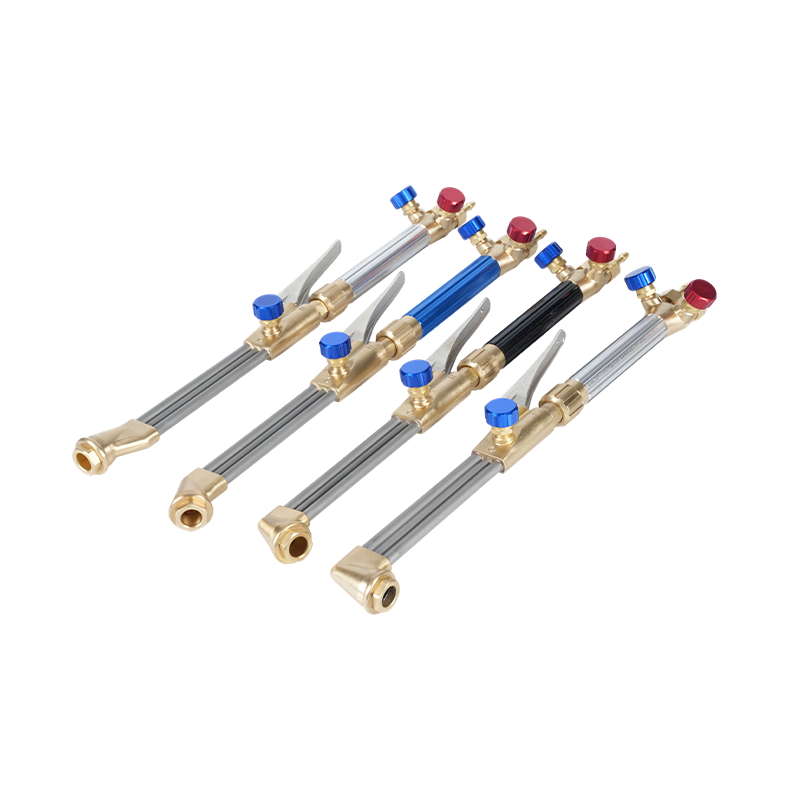
Content
Essential Components of a Professional Cutting Kit
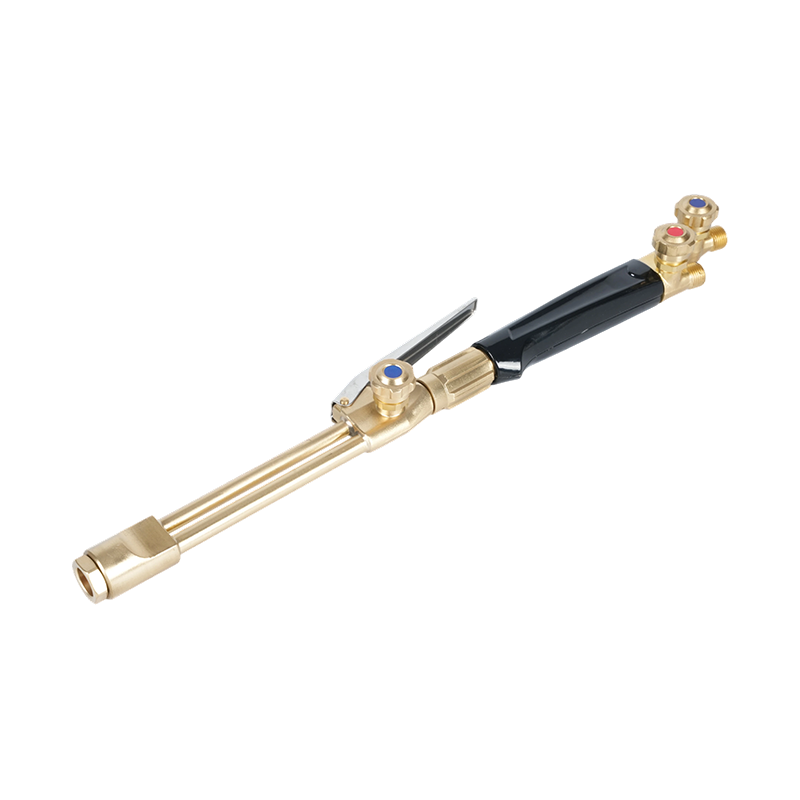
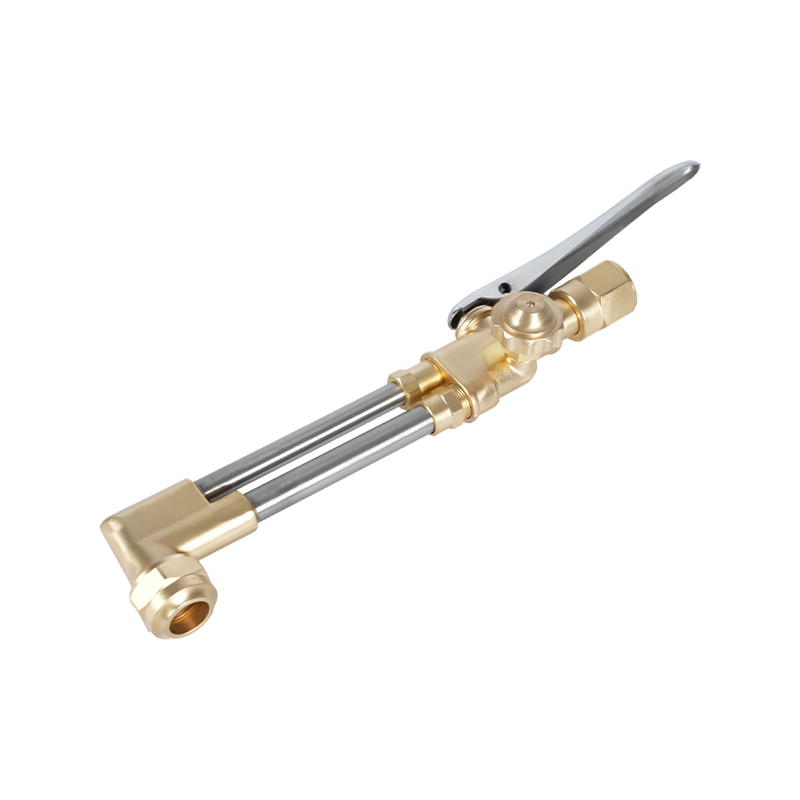
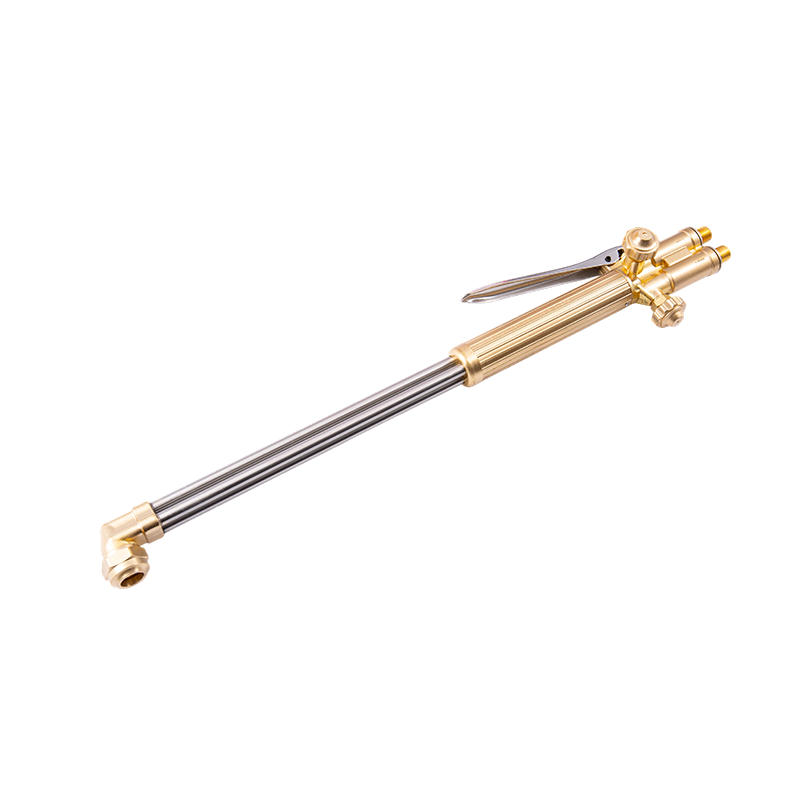
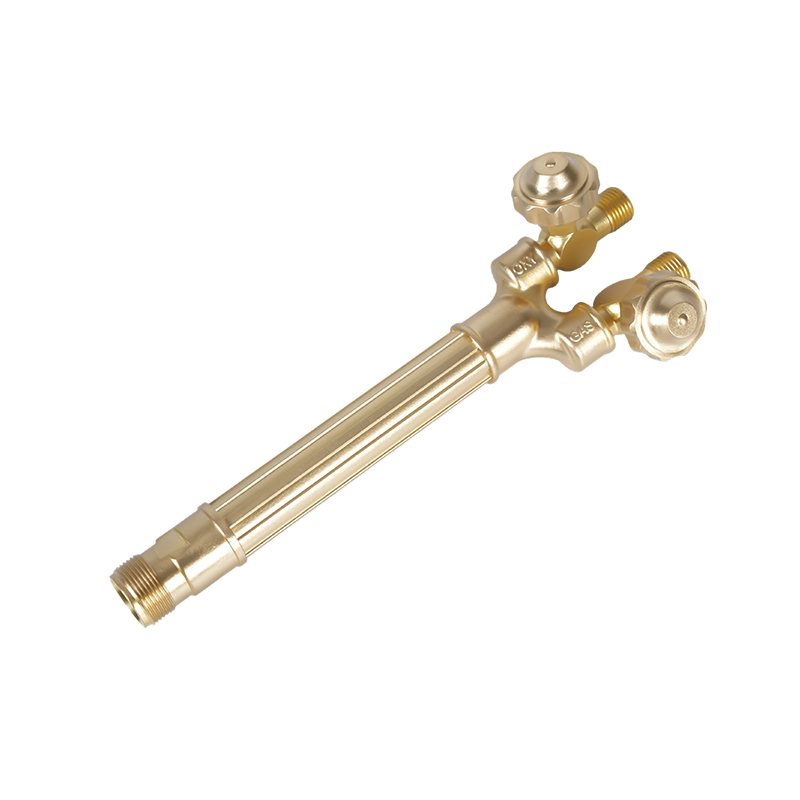
A high-quality cutting torch kit is more than just a handle and a tip; it is an integrated system designed for precision, safety, and efficiency in metal fabrication. At its core, a standard oxy-acetylene or oxy-propane kit includes a torch handle, mixing head, cutting attachment, various sized tips, hoses, regulators, and often a striker or lighter. The synergy between these components determines the quality of the cut, the ease of operation, and the longevity of the equipment.
For professionals and serious hobbyists, the choice between oxy-fuel and plasma cutting technologies is fundamental. Oxy-fuel kits are versatile, capable of cutting, welding, brazing, and heating, making them ideal for general repair and thick steel processing. Plasma cutting kits, on the other hand, offer faster, cleaner cuts on thinner metals but require an electrical power source and compressed air. Understanding the specific application needs—such as material thickness and portability requirements—is the first step in selecting the right kit.
Oxy-Fuel vs. Plasma: Choosing the Right Technology
The decision between oxy-fuel and plasma cutting kits depends largely on the type of work being performed. Each technology has distinct advantages and limitations that affect productivity and cost.
Oxy-Fuel Cutting Systems
Oxy-fuel cutting torches use a combination of fuel gas (acetylene, propane, or natural gas) and oxygen to heat metal to its ignition temperature, then blast away the molten material with a high-pressure oxygen stream. These kits are highly portable and do not require electricity, making them perfect for fieldwork, demolition, and cutting thick steel plates up to 12 inches or more. However, they produce a wider kerf (cut width) and require more post-cut cleanup compared to plasma.
Plasma Cutting Systems
Plasma cutting kits use an electric arc and compressed gas to create a superheated plasma channel that melts and ejects metal. They are significantly faster on materials under 1 inch thick and produce minimal heat-affected zones, resulting in cleaner edges that often require no further grinding. While plasma units are heavier due to the power supply and require a clean, dry air source, their precision and speed make them indispensable for automotive repair, HVAC work, and artistic metal fabrication.
Cut Speed (1/2" Steel)| Feature | Oxy-Fuel Kit | Plasma Cutter Kit |
|---|---|---|
| Max Cut Thickness | Up to 12+ inches | Typically up to 1-2 inches |
| Portability | High (No power needed) | Moderate (Requires power) |
| Slow | Fast | |
| Material Versatility | Steel only (for cutting) | Steel, Aluminum, Stainless |
Safety Protocols and Protective Gear
Operating a cutting torch kit involves extreme temperatures, high-pressure gases, and intense light, making safety the highest priority. Proper training and the use of personal protective equipment (PPE) are non-negotiable for preventing accidents and long-term health issues.
Essential Personal Protective Equipment
Every operator must wear flame-resistant clothing, such as leather aprons or jackets, to protect against sparks and molten slag. Heavy-duty leather gloves protect hands from heat and sharp metal edges. Eye protection is critical; shade 5 to 8 lenses are recommended for oxy-fuel cutting, while plasma cutting may require darker shades depending on amperage. Additionally, steel-toed boots and hearing protection should be part of the standard kit.
Workplace Safety Measures
Before igniting the torch, ensure the work area is free of flammable materials, including oil, grease, and paper. Use fire-resistant blankets to cover nearby combustible surfaces. Always check hoses for leaks using soapy water before each use, and never use oil or grease on oxygen fittings, as this can cause explosive reactions. Proper ventilation is essential to remove harmful fumes, especially when cutting galvanized or painted metals.
- Install flash back arrestors on both fuel and oxygen lines
- Keep a Class ABC fire extinguisher within immediate reach
- Secure gas cylinders upright to prevent tipping and valve damage
- Never leave a lit torch unattended, even for a moment
Maintenance and Troubleshooting Common Issues
Regular maintenance extends the life of your cutting torch kit and ensures consistent performance. Most operational issues stem from dirty tips, worn seals, or improper gas pressures, all of which are easily addressed with routine care.
Tip Cleaning and Replacement
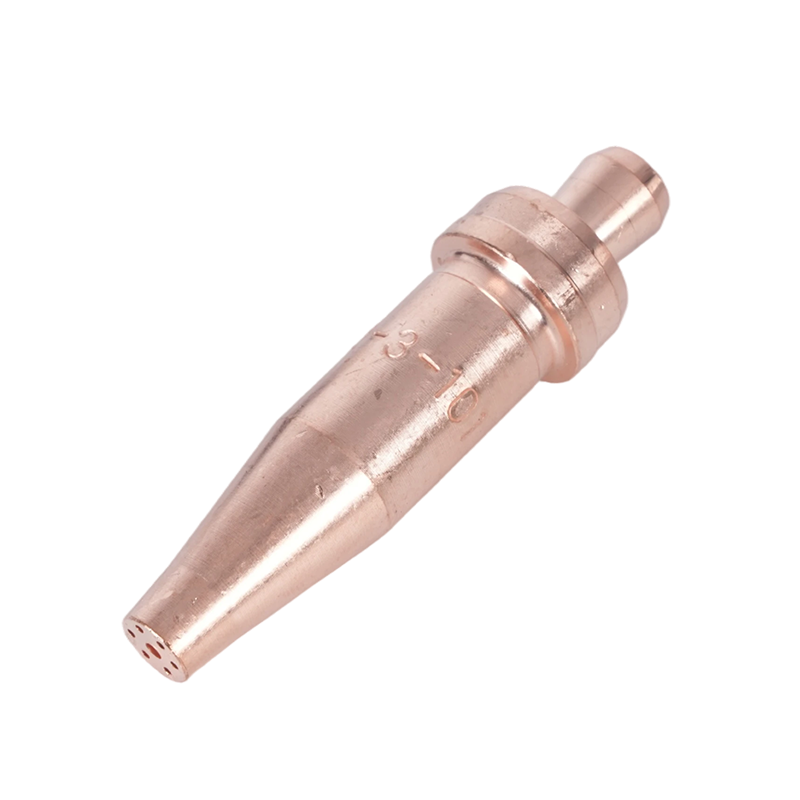
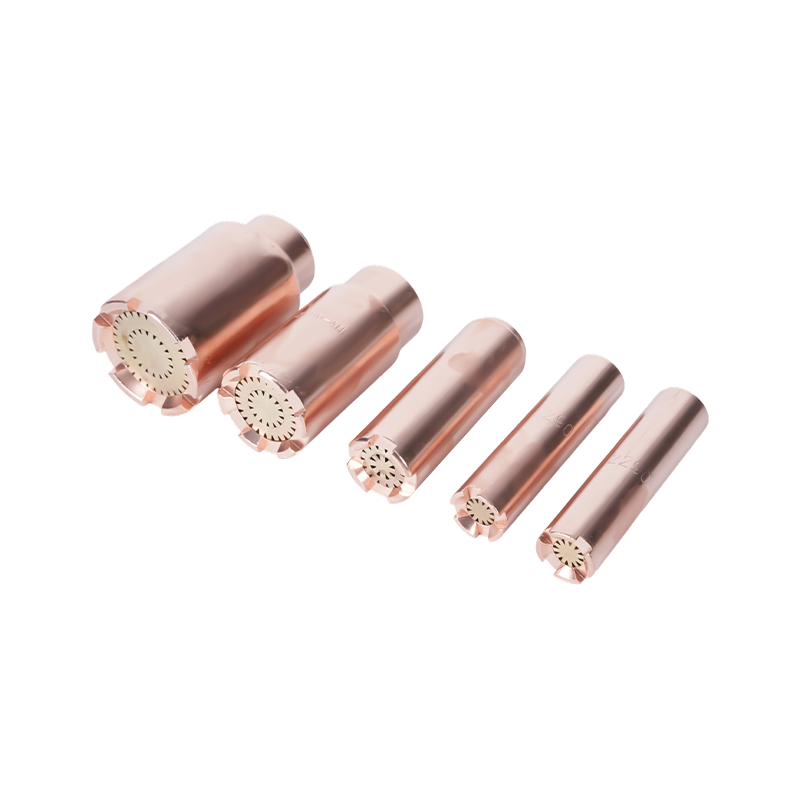
Clogged or damaged tips are the most common cause of poor cut quality. Use a tip cleaner file set to remove slag and carbon buildup from the preheat holes and cutting oxygen orifice. If a tip is pitted or deformed, replace it immediately, as this can lead to uneven heating and dangerous flashbacks. Store tips in a protective case to prevent physical damage when not in use.
Hose and Regulator Care
Inspect hoses regularly for cracks, bulges, or signs of wear. Replace any hose that shows damage, as leaks can lead to fire hazards. Keep regulators clean and protected from impact, as they are precision instruments. When shutting down the kit, always close the cylinder valves first, then bleed the lines to relieve pressure on the regulators and hoses. This practice prevents stress on the diaphragms and ensures accurate pressure readings for the next use.
- Check for leaks with soapy water before every use
- Clean tips after every few hours of operation
- Lubricate O-rings on torch handles with oxygen-compatible grease
- Store the kit in a dry, ventilated area away from direct sunlight
In conclusion, selecting and maintaining the right cutting torch kit is essential for efficient and safe metalworking. Whether you choose the versatility of oxy-fuel or the precision of plasma, understanding the components, adhering to strict safety protocols, and performing regular maintenance will ensure professional results and long-term reliability. Investing in quality equipment and proper training pays dividends in productivity and safety for any fabrication project.