
 English
 中文简体
中文简体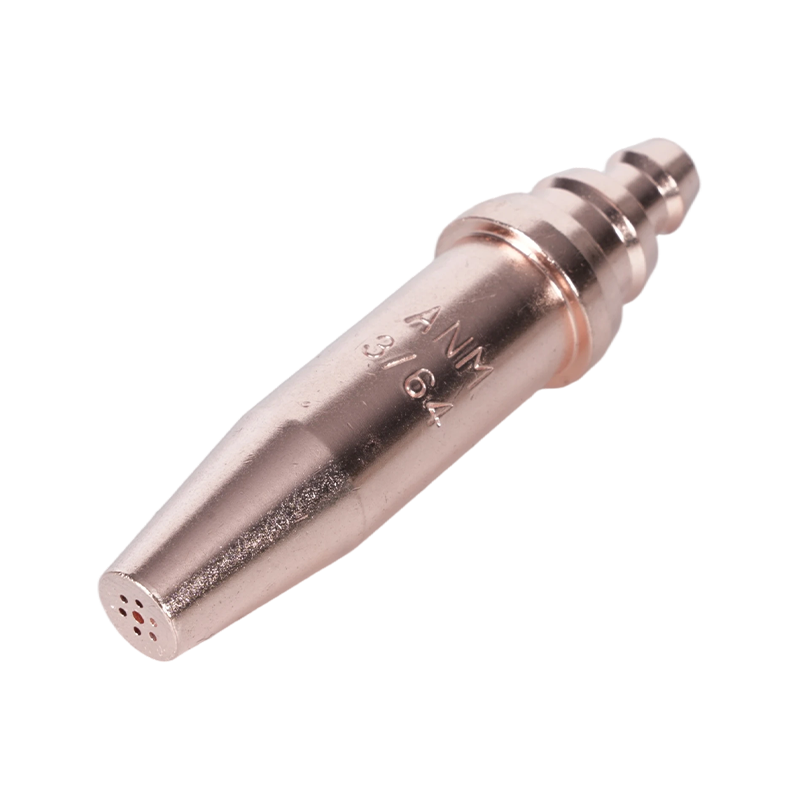
Content
The Flame Temperature of an Oxy-Acetylene Torch
An oxy-acetylene torch burning a neutral flame reaches roughly 5,600–6,300°F (3,100–3,500°C) at the tip of the inner cone. That's hot enough to melt steel, cast iron, and most nonferrous metals in seconds, which is exactly why this gas combination has stayed the standard for cutting and welding for over a century.
The number people usually quote, somewhere around 6,000°F, is accurate but incomplete. It describes one specific point in the flame, not the flame as a whole. The actual temperature drops off sharply the further you move from that inner cone.
Why the Flame Isn't One Temperature
A neutral oxy-acetylene flame has three visible zones, and each one runs at a different heat level.
- Inner cone — the brightest, tightest part of the flame, sitting right at the tip. This is where combustion is most complete and temperature peaks at 5,600–6,300°F.
- Acetylene feather — a faint secondary zone visible mainly in carburizing flames, running noticeably cooler than the inner cone.
- Outer envelope — the loose, blue-tinted flame surrounding everything else, dropping to around 2,300°F at its outer edge.
This gradient isn't incidental. Welders position the inner cone just above the joint to melt metal, while the outer envelope does the preheating work on either side, warming the base metal up to near its melting point before the cut or weld actually starts.

How Oxy-Acetylene Compares to Other Fuel Gases
| Gas Combination | Approx. Peak Temperature |
|---|---|
| Propane / Air | 3,590°F (1,980°C) |
| Acetylene / Air | 4,000°F (2,200°C) |
| Propane / Oxygen | 4,087°F (2,253°C) |
| Oxy-Hydrogen | 5,072°F (2,800°C) |
| Oxy-Acetylene | 6,300°F (3,500°C) |
Acetylene's edge comes down to chemistry. Its triple carbon-carbon bond stores an unusual amount of energy, which releases fast when it burns in pure oxygen instead of ambient air. That's also why it remains the only common fuel gas hot enough to cut through thick structural steel reliably. Lower-temperature combinations like propane/oxygen still have a place, particularly for jobs that need a broader, gentler flame rather than a concentrated hot spot, which is where heating torches suited to lower, spread-out flame temperatures tend to come in.
What the Ratio of Oxygen to Acetylene Changes
The 6,300°F figure assumes a neutral flame, meaning oxygen and acetylene are supplied in roughly equal volume. Shift that ratio and the temperature and chemistry both change.
An oxidizing flame, with slightly more oxygen than acetylene, burns hotter and sharper, useful for cutting but harsh enough to oxidize the weld pool if used for welding. A carburizing flame, with excess acetylene, runs cooler and carries unburned carbon into the metal, which suits certain hardsurfacing and brazing tasks but isn't appropriate for structural welds. Keeping the ratio stable matters more than most people assume, and that's largely a function of the equipment rather than operator skill alone — gas pressure regulators that keep flame temperature consistent do most of the work of holding that balance steady through a long cutting or welding session.
Matching Temperature to the Job: Torches, Tips & Regulators
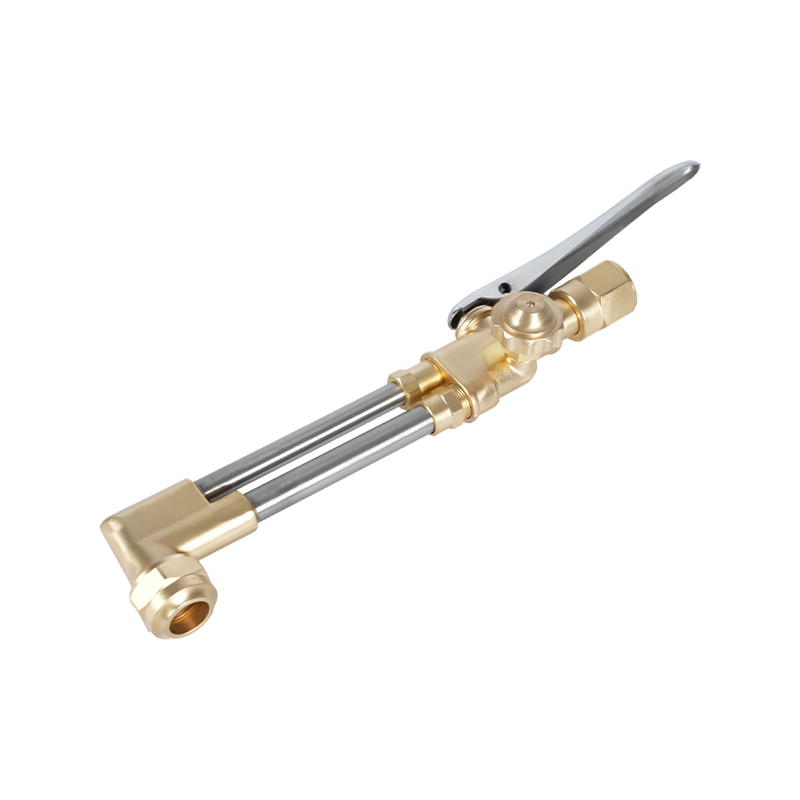
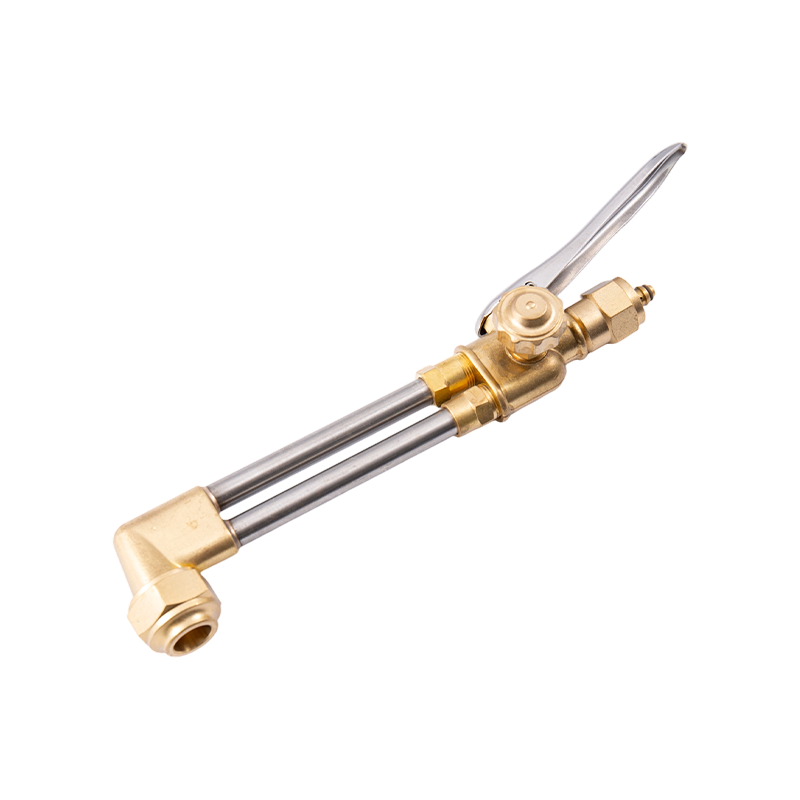
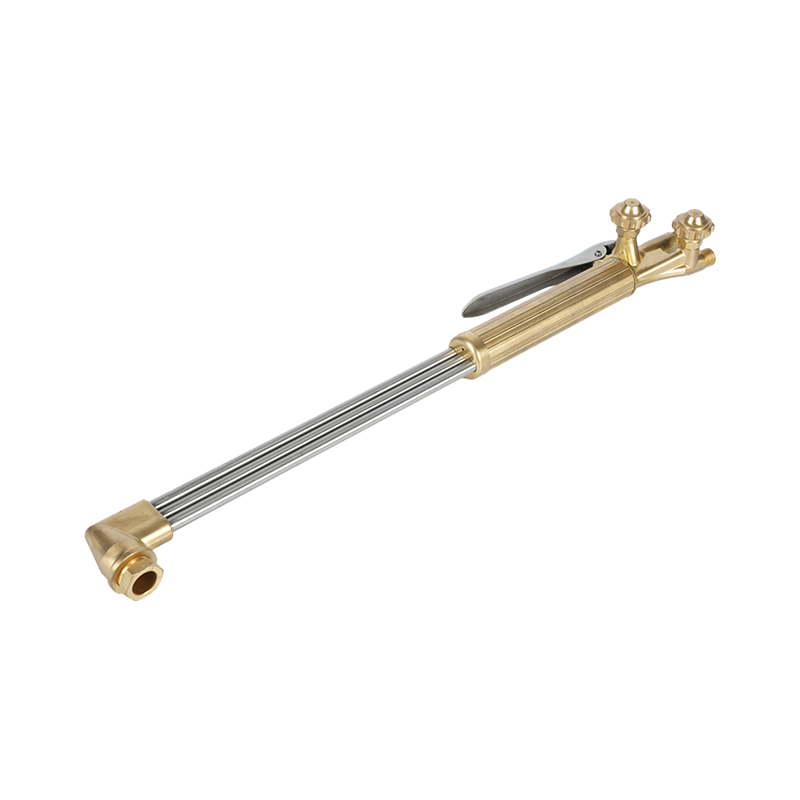
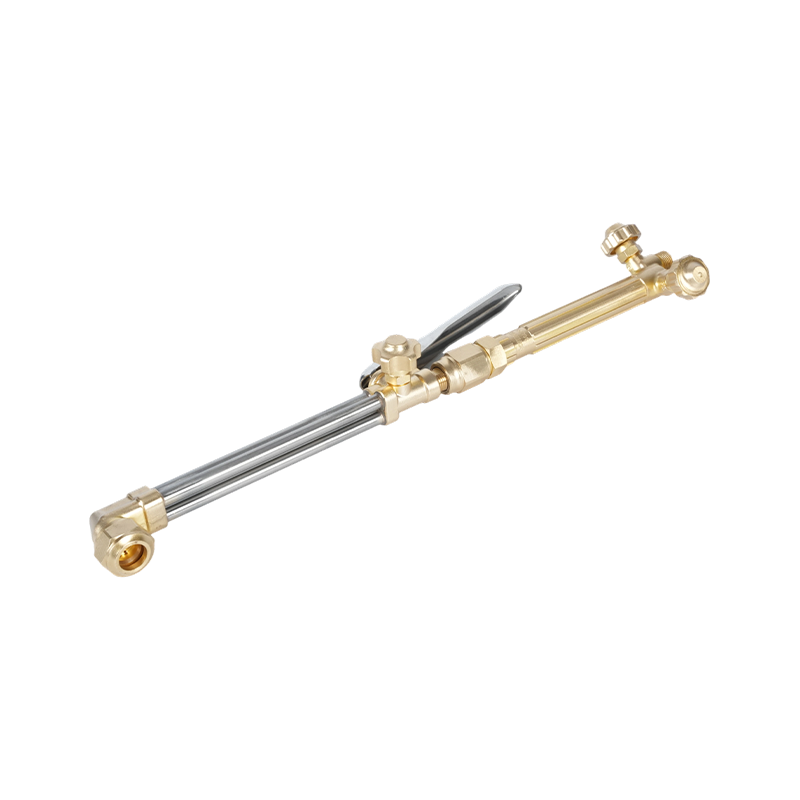
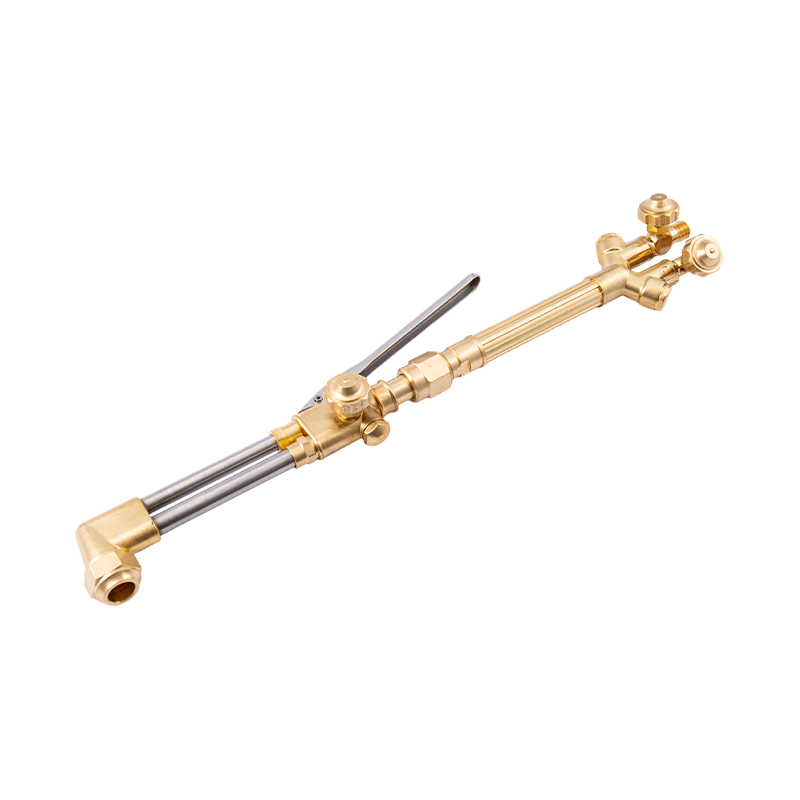
Once the target temperature is clear, the equipment decision gets simpler. Thick structural steel and heavy cutting work call for handheld cutting torches built for sustained high-temperature work, paired with a handle that holds the neutral flame steady over long runs — torch handles designed to hold a stable neutral flame are built specifically for that consistency.
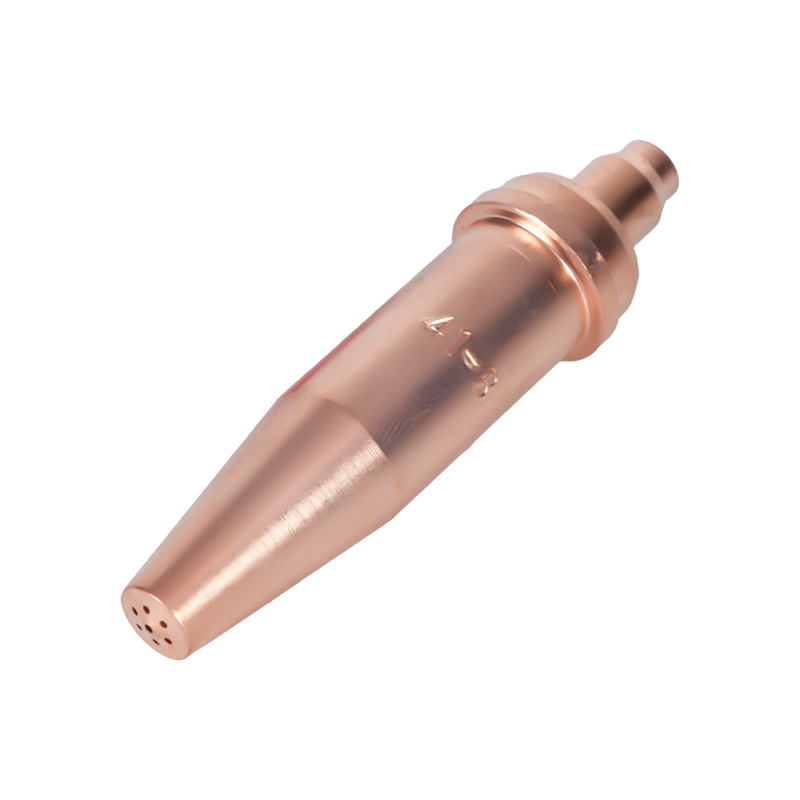
Tip selection matters just as much as the torch itself. A tip that's too small for the metal thickness chokes the gas flow and drags the flame temperature down at the exact point where it needs to peak, while an oversized tip wastes gas without improving the cut. acetylene cutting torch tips sized to match flame output are matched to specific thickness ranges for this reason. For anyone assembling a full setup from scratch, complete cutting torch kits for oxy-acetylene setups bundle a handle, attachment, and tip set already matched to work together.
Working Safely at These Temperatures
A flame over 6,000°F leaves no margin for error in equipment condition. Acetylene cylinders shouldn't be run above 15 psig, a limit set out in OSHA's federal standard for oxygen-fuel gas welding and cutting, since acetylene becomes unstable at higher pressures.
A flashback, where the flame burns backward into the hose or regulator, can happen in a fraction of a second at these temperatures if a line develops a leak or the gas ratio drifts. flashback arrestors for high-temperature oxy-acetylene lines are the standard safeguard, fitted between the regulator and hose on both the oxygen and acetylene sides, and they're not optional equipment on any setup running a flame this hot.