
 English
 中文简体
中文简体
Content
The Two Roles Every Cutting Gas Plays
Every gas cutting flame runs on a partnership between two separate gas streams doing two different jobs, not one all-purpose gas. A fuel gas mixes with a small stream of oxygen to create the preheat flame that raises the metal to its ignition temperature. Once that temperature is reached, a much larger, separate stream of pure oxygen shoots through the center of the tip, reacting with the hot metal to oxidize and blow the molten slag out of the cut.
Confusing these two roles is the source of most setup mistakes. Adding more fuel gas doesn't cut faster — it just changes the preheat. The oxygen jet does the actual cutting, and its purity and flow rate are what really determine how clean and fast the cut turns out. Understanding this split is the starting point for choosing gases sensibly rather than by habit.
Fuel Gas Options: Acetylene, Propane, Natural Gas, MAPP & Propylene
Five fuel gases cover the overwhelming majority of oxy-fuel cutting work, and each trades flame temperature against cost and handling in a different way.
Acetylene burns hotter than any of the alternatives, reaching roughly 5,800–6,000°F in an oxy-acetylene flame. That heat is concentrated into a narrow, intense cone, which lets it preheat metal to cutting temperature faster than any other fuel gas — the reason it remains the default for welding, brazing, and cutting thick plate where piercing speed matters. The tradeoff is cost per cubic foot and stricter cylinder storage requirements. A deeper comparison of acetylene against propane for cutting breaks down exactly where that cost tradeoff pays off and where it doesn't.
Propane and natural gas burn noticeably cooler, closer to 5,200°F, and spread that heat across a wider flame rather than acetylene's tight cone. That broader flame is actually an advantage for heating large areas or preheating thick plate below the surface. What draws most shops to propane isn't performance, though — it's economics. Propane costs less to fill, and its storage rules are less restrictive than acetylene's, which is why scrap yards and shops running a torch for hours at a stretch often default to it.
MAPP gas (a mixture of methylacetylene and propadiene) sits in between, producing a hotter flame than propane at around 2,976°C with a heat release closer to acetylene's in the primary cone. It can also run at higher pressure than acetylene without the same risk of dissociating into explosive components, which makes it a workable option for underwater cutting in deep water — a niche but genuine advantage the other fuel gases don't share.
Propylene, a liquid petroleum gas product, lands close to MAPP in flame temperature but shares propane's high oxygen-to-fuel ratio requirement, meaning it needs proportionally more oxygen flow to burn efficiently. It's a less common choice but shows up in shops optimizing for a specific balance of heat and cost that acetylene and propane don't quite hit.
None of these fuel gases is a universal best choice. The right one depends on plate thickness, how often the torch runs, and whether the shop is also welding — not just cutting — with the same gas supply.
Why Oxygen Purity Changes Everything
Fuel gas gets most of the attention, but the cutting oxygen stream is what actually determines cut quality and speed. Oxygen purity below 99.5% has an outsized effect: a purity drop of just 1% typically slows the cutting speed by roughly 25% and increases gas consumption by a similar margin, since impurities dilute the oxidation reaction that does the actual cutting.
Nozzle and tip design matter here too, since a poorly designed tip lets ambient air mix into the oxygen stream before it reaches the metal, effectively lowering purity at the point that matters most. This is one of the reasons torch tips aren't a one-size-fits-all component — the passage geometry inside a well-designed tip protects the oxygen stream from that kind of dilution.
Matching Tips, Regulators & Safety Equipment to Your Gas
Every piece of downstream equipment on a cutting torch is built around the specific gas flowing through it, and swapping fuel gases without swapping the matched equipment is where most setup problems start.
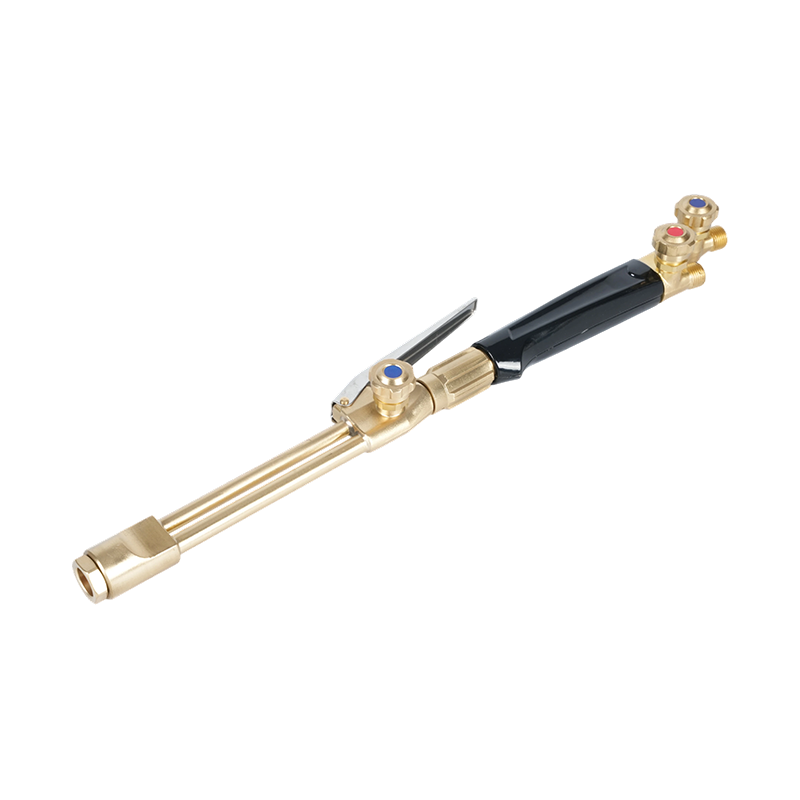
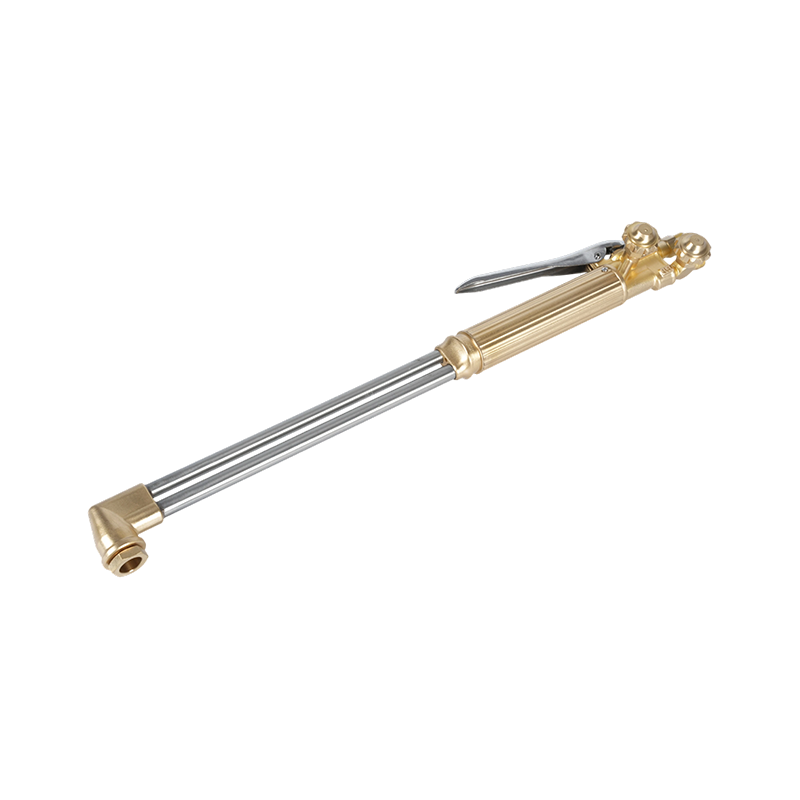
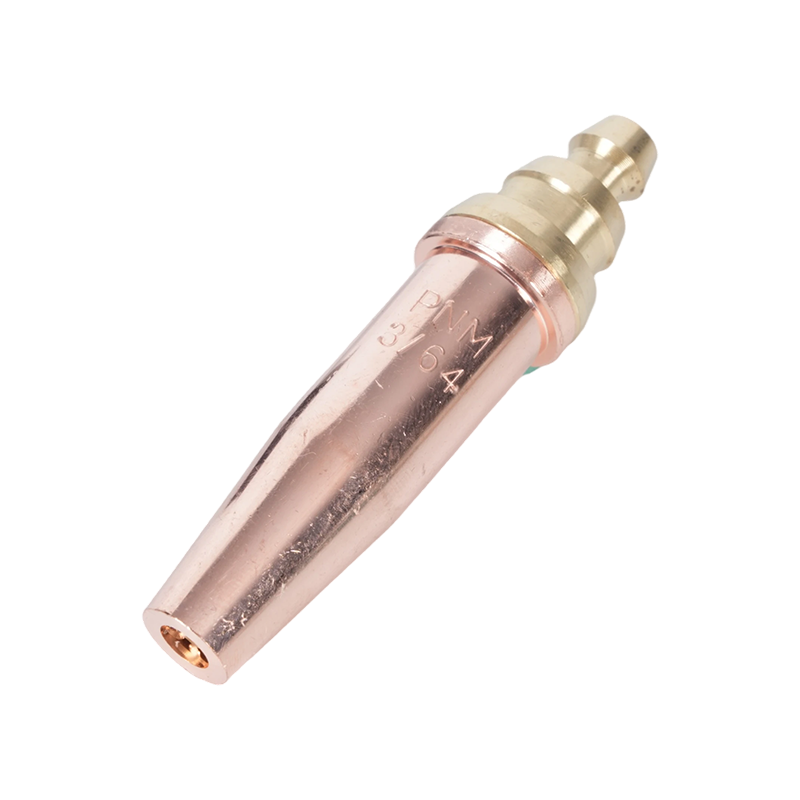
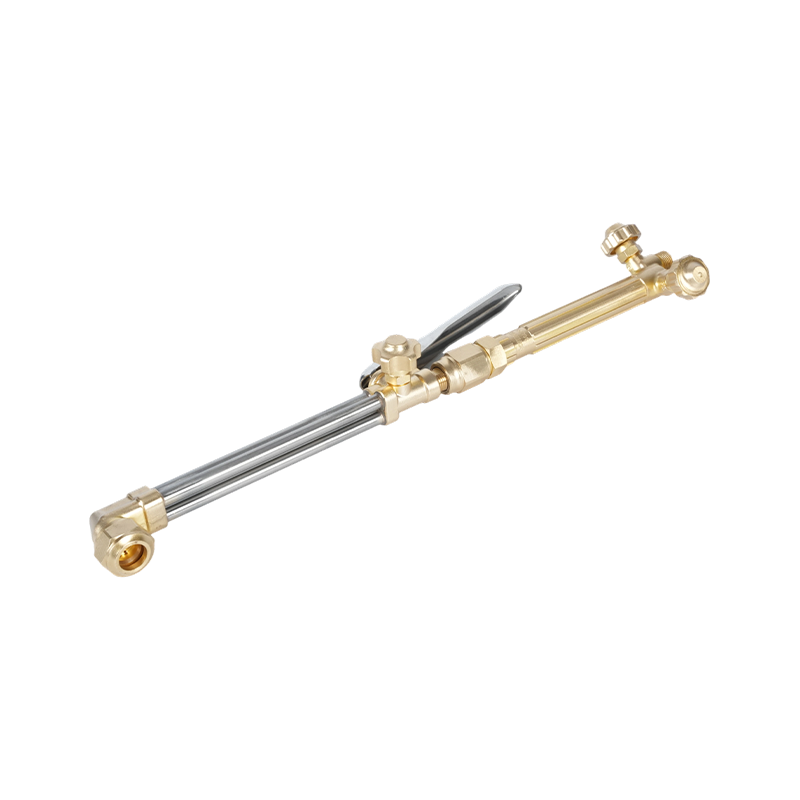
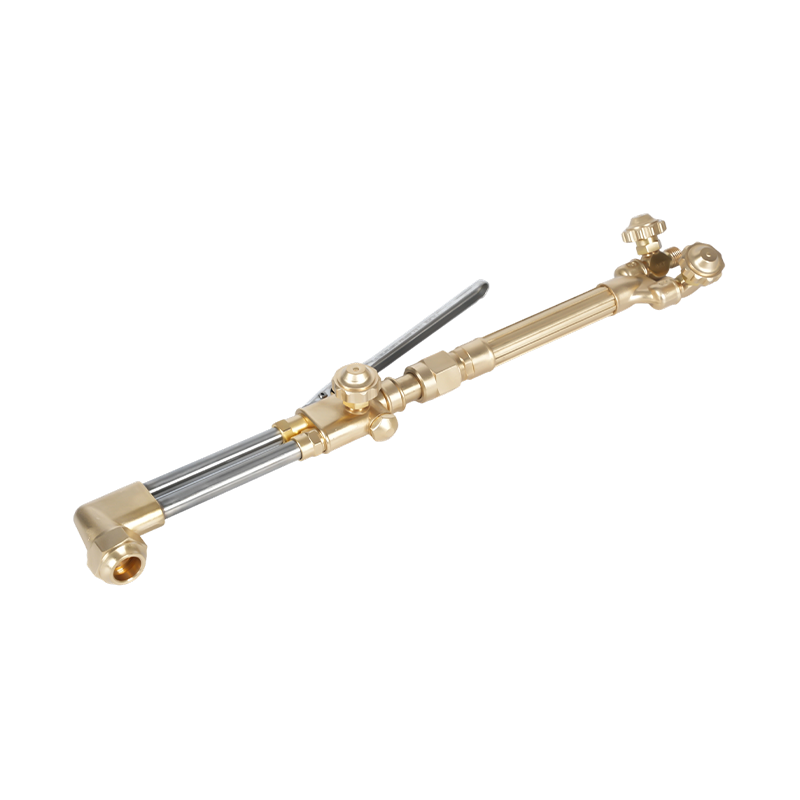
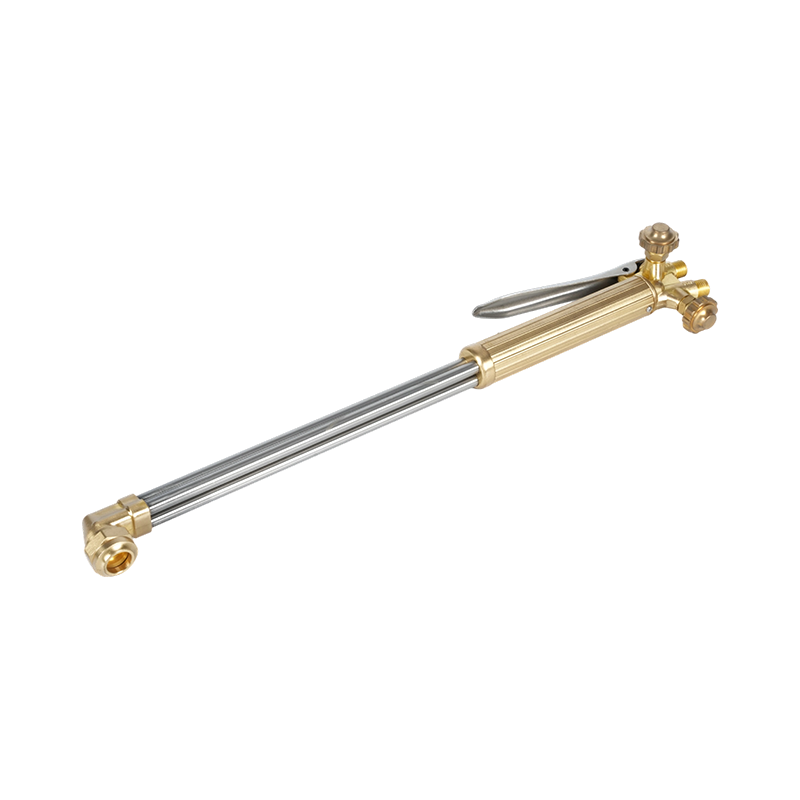
Torch tips are the clearest example. Acetylene tips use a premix design, blending fuel and oxygen inside the tip before the flame exits through closely spaced orifices. Propane and natural gas tips use a postmix design instead, mixing the gases just outside the tip face through a wider seat, since these gases need more oxygen volume relative to fuel and extra mixing distance to stabilize. Acetylene cutting torch tips engineered for premix flame delivery and propane cutting torch tips built for postmix-style flame mixing reflect that structural difference rather than being interchangeable variants of the same part.
Regulators carry the same gas-specific logic. Each is calibrated to a particular gas's pressure range and fitting standard, and running the wrong gas through a mismatched regulator risks delivering pressure the downstream equipment was never rated for. Gas pressure regulators matched to specific fuel gas types account for these differences from the fitting up.
Flashback arrestors follow the same rule. Since fuel gases differ in flammability range and how fast a flame front can travel backward through a hose, flashback arrestors rated for the gas actually in use need to sit at both the regulator and torch ends of the line. A closer look at the flame temperature and combustion characteristics data for each fuel gas shows just how differently these gases behave once ignited, which is exactly why the equipment built around them isn't interchangeable. The federal oxy-fuel welding and cutting safety standard sets the baseline requirements for cylinder storage and hose specifications that apply regardless of which gas a shop runs.
Choosing the Right Gas Combination for Your Shop
There's no single correct answer to which cutting gas a shop should run — the decision comes down to a handful of practical factors that outweigh flame temperature on its own.
- Plate thickness and piercing speed: Thick plate and production cutting favor acetylene's concentrated heat and faster pierce times.
- Duty cycle: Shops running a torch for extended stretches often find propane or natural gas cheaper to sustain over a full shift.
- Existing infrastructure: A shop with gas piped in already leans toward natural gas simply to avoid cylinder logistics.
- Dual-purpose use: Shops that both weld and cut usually keep acetylene on hand, since propane and natural gas can't substitute for oxy-fuel welding.
Many shops end up running more than one fuel gas setup and switching based on the job at hand. What matters more than picking a single winner is making sure every tip, regulator, and flashback arrestor on the torch matches whichever gas is actually connected — mismatched equipment is where flame quality problems and safety risks both start.