
 English
 中文简体
中文简体
Content
Two Gases, Not One
Ask someone what gas a cutting torch runs on, and they'll often name just one fuel, usually acetylene. That answer is only half right. Every oxy-fuel cutting flame is a partnership between a combustible fuel gas and oxygen, and the oxygen does two separate jobs: a small portion mixes with the fuel to create the preheat flame, while a much larger stream is released through the center of the tip to actually oxidize and blow away the molten metal during the cut itself.
The fuel gas side of that partnership is where the real choice happens. Acetylene, propane, and natural gas are the three most common options, and each behaves differently enough that picking the wrong one — or pairing it with the wrong torch tip — leads to a weak flame, slow piercing, or excessive dross along the cut edge.
Acetylene: Still the Benchmark
Acetylene burns hotter than any other commercially available fuel gas, reaching roughly 5,800–6,000°F when mixed with oxygen. That heat is concentrated rather than spread out, which is why acetylene preheats metal to cutting temperature faster than the alternatives and remains the standard choice for welding, brazing, and cutting thicker plate where speed matters.
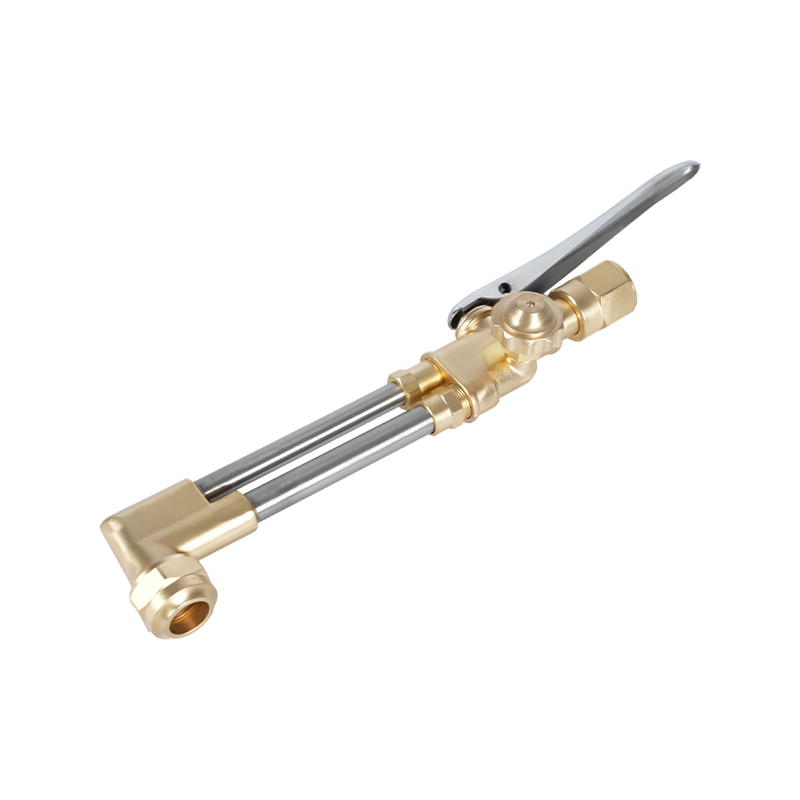
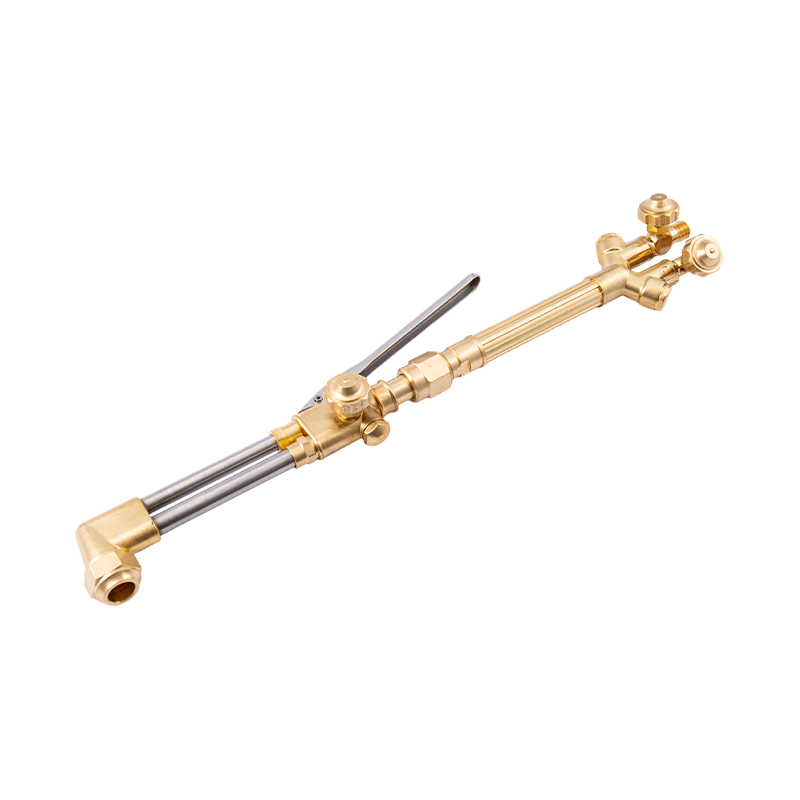
The tradeoff is cost and handling. Acetylene cylinders require more careful storage and pressure limits than propane, and the gas itself is more expensive per cubic foot in most regions. For shops running a torch daily on production work, that cost gets absorbed into the job. For occasional use, it's worth weighing against the alternatives below. Acetylene cutting torch tips engineered for premix flame delivery are built specifically around this gas's combustion characteristics, with a mixing chamber designed for acetylene's narrow, high-velocity flame.
Propane and Natural Gas: The Practical Alternative
Propane tops out around 5,200°F in an oxy-propane flame, noticeably cooler than acetylene but still hot enough to cut through structural steel cleanly once the technique adjusts. Propane spreads its heat output across a broader flame rather than acetylene's tight cone, which actually works in its favor for heating large areas or cutting thicker plate where preheat needs to penetrate beyond the surface.
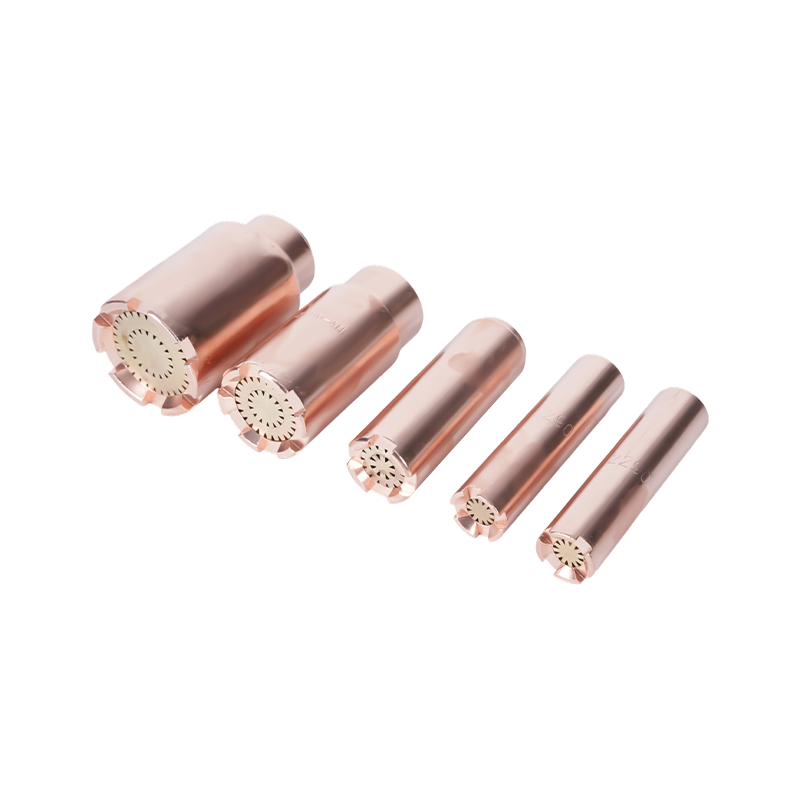
What pushes shops toward propane usually isn't flame temperature at all. It's cost and storage. Propane cylinders cost less to fill, the gas itself runs cheaper, and the storage requirements are less restrictive than acetylene's. Scrap yards and shops that run a torch for hours at a stretch frequently default to propane for exactly this reason, even though it can't substitute for acetylene in oxy-fuel welding. Natural gas behaves similarly to propane in cutting applications and is common wherever a shop already has gas piped in, removing the cylinder logistics entirely. Propane cutting torch tips built for postmix-style flame mixing reflect this difference in burn behavior, with a wider mixing geometry suited to propane's broader, cooler flame.

Why Torch Tips Aren't Interchangeable Between Gases
Swapping fuel gas without swapping the tip is one of the most common setup mistakes in a shop that uses both. Acetylene tips use a premix design, where fuel and preheat oxygen combine inside the tip itself before exiting through closely spaced orifices. Propane tips use a postmix design instead, mixing the gases just outside the tip face through a wider seat, because propane requires more oxygen volume relative to fuel to burn efficiently and needs that extra mixing distance to stabilize the flame.
Using an acetylene tip with propane — or the reverse — typically shows up as a weak, sooty flame, excessive popping, or a preheat that never quite reaches cutting temperature no matter how the valves are adjusted. The fix isn't a different regulator setting; it's the correct tip for the gas in the cylinder. For a closer look at how tip size and orifice geometry should match plate thickness once you've settled on a fuel gas, our guide to selecting and maintaining the right torch tip covers the sizing charts and setup steps in more depth.
Matching Regulators and Safety Equipment to Your Gas
Fuel gas choice doesn't stop at the tip. Regulators are calibrated for a specific gas's pressure range and thread fitting, and using an acetylene regulator on a propane cylinder — even if the connection somehow fits — risks delivering pressure outside what the downstream equipment was designed to handle. Gas pressure regulators matched to specific fuel gas types account for these differences in working pressure and connection standard from the start.
Flashback arrestors carry the same gas-specific logic. A flame that travels backward into the hose or regulator — a flashback — needs to be stopped by a device rated for the gas actually flowing through it, since acetylene and propane have different flammability ranges and burn-back speeds. Flashback arrestors that prevent flame reversal into the gas supply should be installed at both the regulator and torch ends regardless of which fuel gas is in use. OSHA's oxygen-fuel gas welding and cutting standard sets the baseline requirements for cylinder storage, pressure limits, and hose specifications that apply across whichever gas a shop runs.
Choosing the Right Gas for Your Shop
For a shop that welds as well as cuts, or cuts heavy plate where speed and a tight preheat zone matter, acetylene remains the default for good reason. For operations that only cut, run a torch for extended stretches, or want to avoid acetylene's storage restrictions and per-cylinder cost, propane or natural gas does the job with a small adjustment in technique and the correct tip on hand.
Neither choice is permanent — many shops keep both fuel gas setups available and switch based on the job at hand. What matters more than which gas wins out is making sure the tip, regulator, and flashback protection on the torch all match whichever cylinder is connected. Our full safety precautions guide for cutting torch operation walks through the broader checklist worth running before any cut, regardless of which fuel gas is in the cylinder.