
 English
 中文简体
中文简体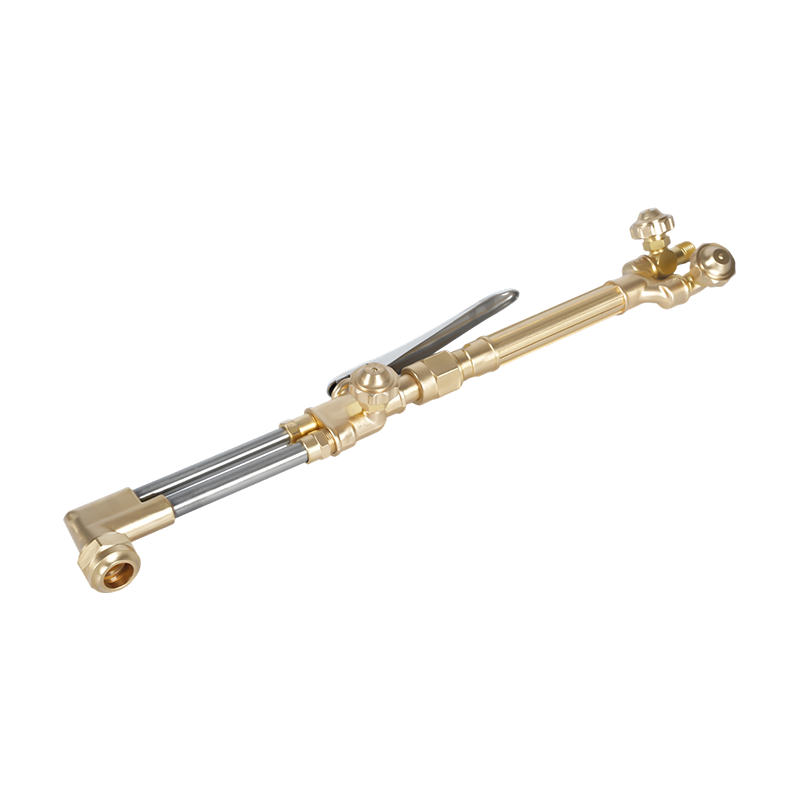
Content
Cutting Torch Kits Are Complete Solutions for Metal Cutting
Cutting torch kits provide a ready-to-use system for oxy-fuel metal cutting, combining torches, hoses, regulators, and tips into one matched set. Their main advantage is consistency: all components are designed to work together safely, reducing setup errors and improving cutting performance.
In fabrication shops, construction sites, and maintenance operations, these kits are relied upon to cut carbon steel quickly and accurately, even in environments where power tools are impractical.
Core Components Included in Cutting Torch Kits
A cutting torch kit is more than just a torch handle. Each component plays a critical role in gas control, flame stability, and operator safety.
Standard Kit Components
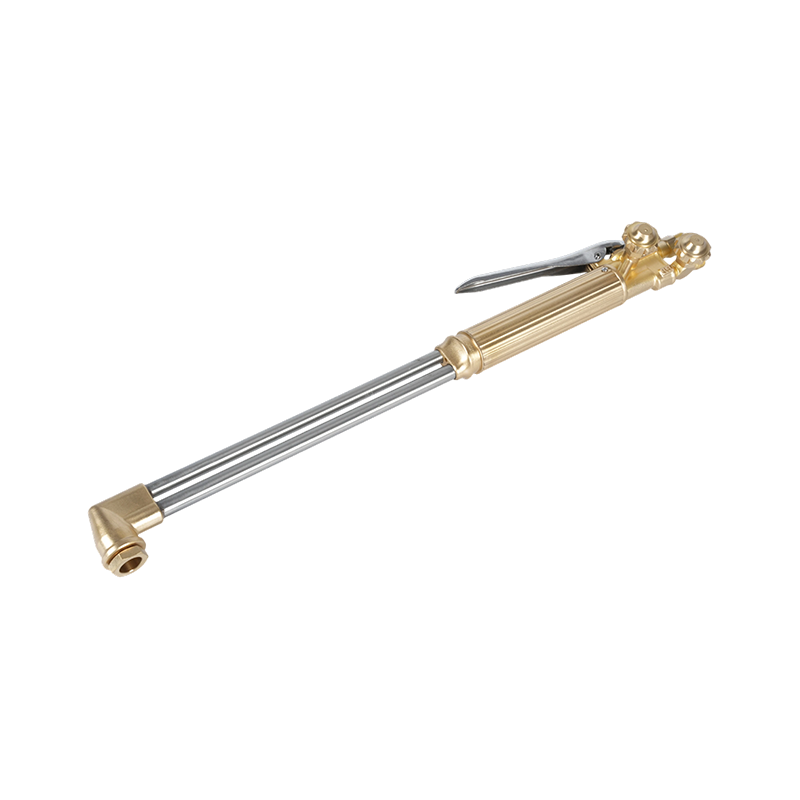
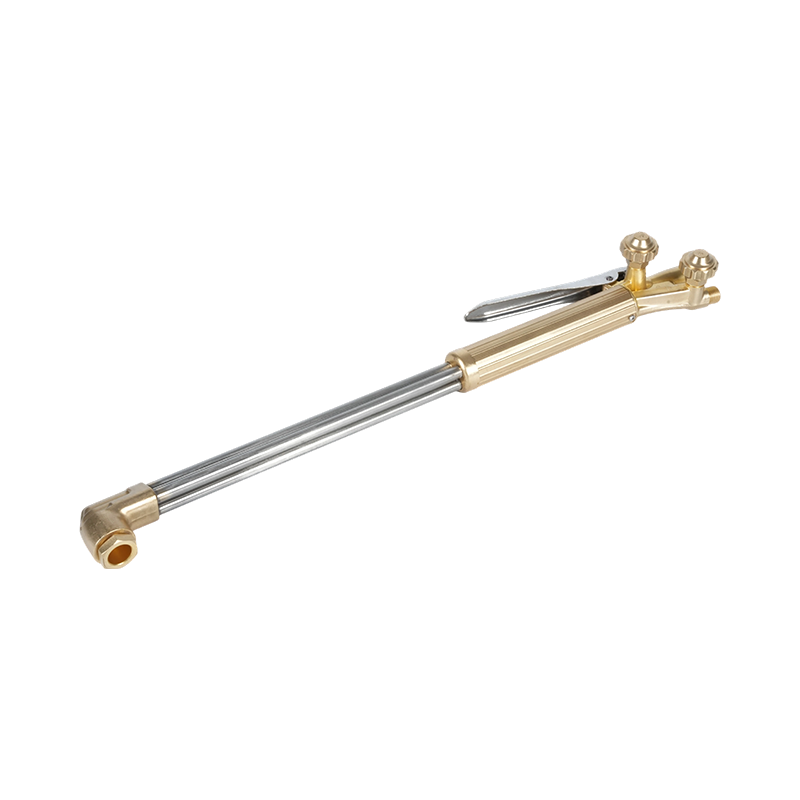
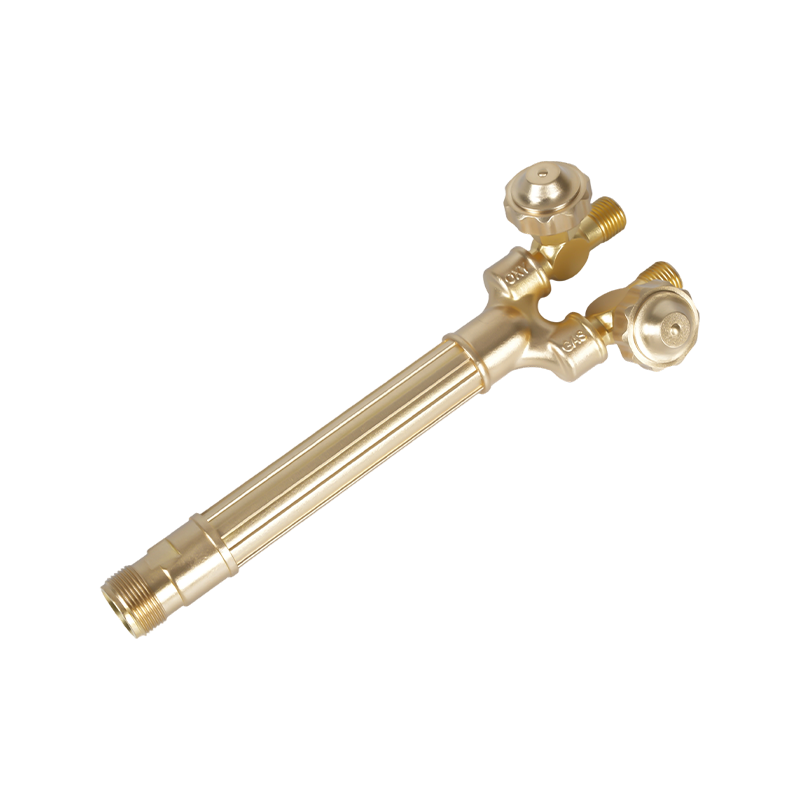
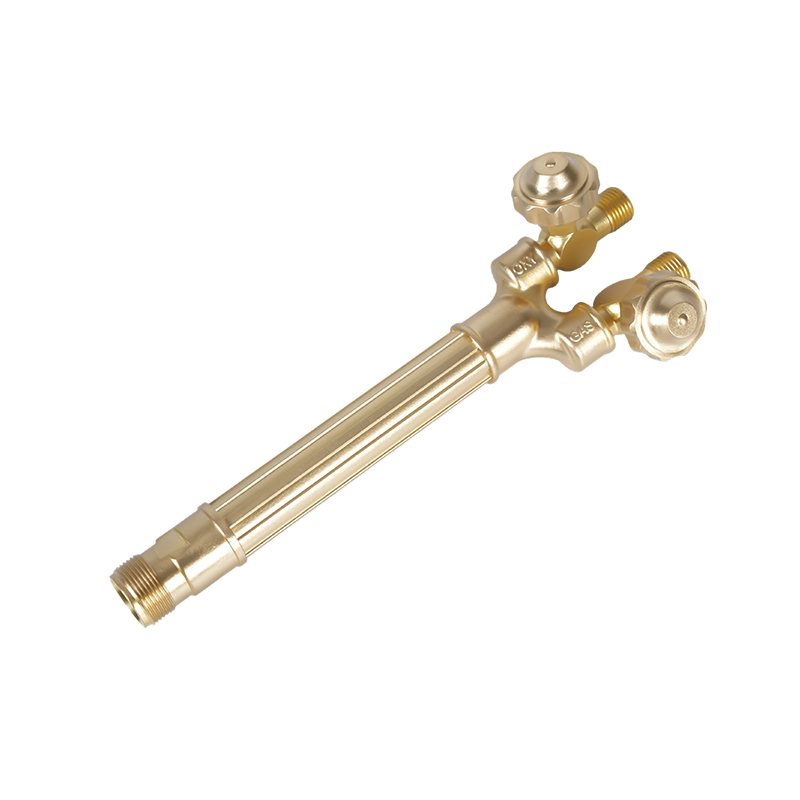
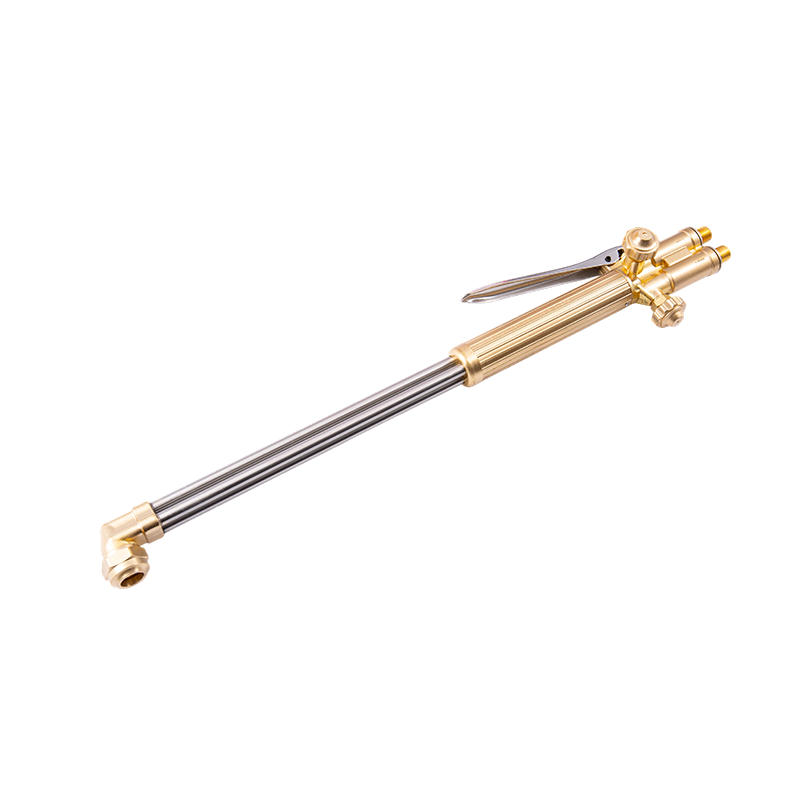
- Cutting torch handle: Controls oxygen and fuel flow during cutting.
- Cutting attachment: Directs the cutting oxygen jet through the tip.
- Regulators: Reduce cylinder pressure from over 200 bar to usable working pressure.
- Hoses: Color-coded hoses deliver oxygen and fuel gas safely.
- Cutting tips: Sized according to material thickness and gas type.
| Tip Size | Steel Thickness | Oxygen Pressure |
|---|---|---|
| #0 | 3–10 mm | 30–40 psi |
| #2 | 25–50 mm | 60–70 psi |
| #4 | 75–150 mm | 90–100 psi |
Practical Applications of Cutting Torch Kits
Cutting torch kits remain essential where thick steel, outdoor work, or irregular cutting conditions are involved.
- Structural steel cutting in construction and shipbuilding
- Heavy equipment repair and dismantling
- Scrap metal processing and recycling

Key Selection Factors for Cutting Torch Kits
Selecting the correct cutting torch kit directly affects cut quality, gas efficiency, and operator safety.
- Fuel gas compatibility (acetylene, propane, natural gas)
- Maximum cutting thickness requirements
- Regulator accuracy and durability
- Compliance with safety standards
Final Insight on Cutting Torch Kits
Cutting torch kits remain one of the most versatile and reliable solutions for heavy-duty metal cutting. Their simplicity, power, and portability continue to make them indispensable across industrial and field applications.