
 English
 中文简体
中文简体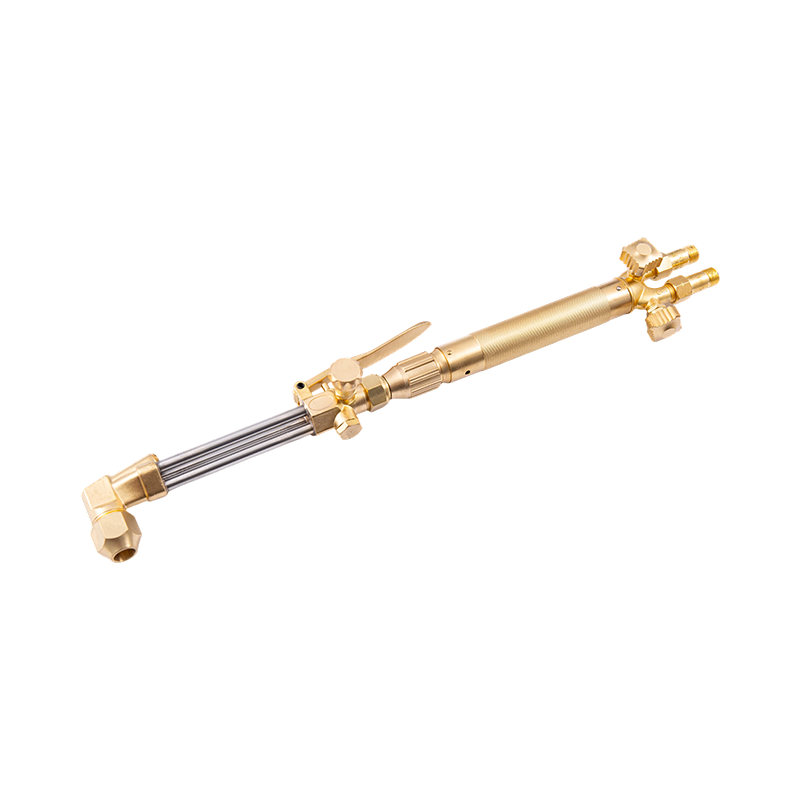
Content
- 1 Cutting Torch Kits Provide Proven Oxy-Fuel Cutting Capability
- 2 Fuel Gas Selection Directly Influences Cutting Performance
- 3 Proper Setup Determines Cut Quality and Efficiency
- 4 Integrated Safety Features and Operator Protection
- 5 Maintenance Practices That Extend Service Life
- 6 Professional Conclusion on Cutting Torch Kits
Cutting Torch Kits Provide Proven Oxy-Fuel Cutting Capability
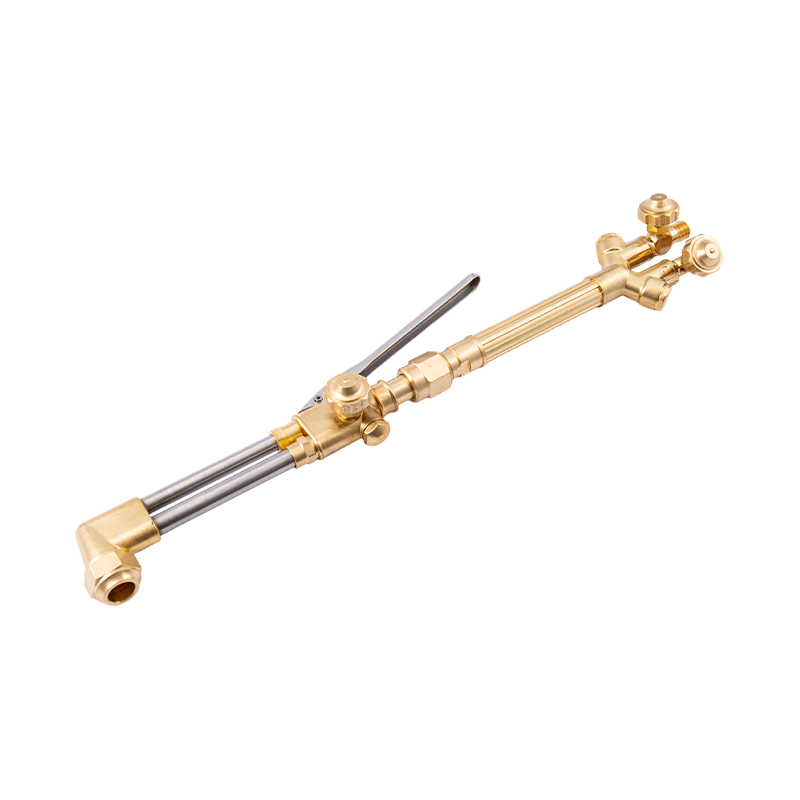
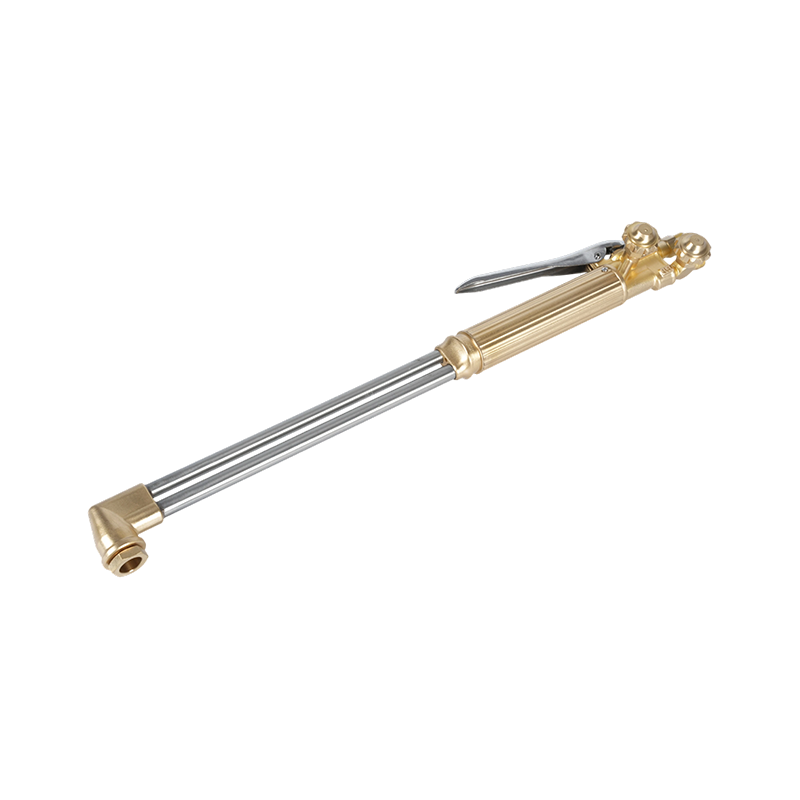
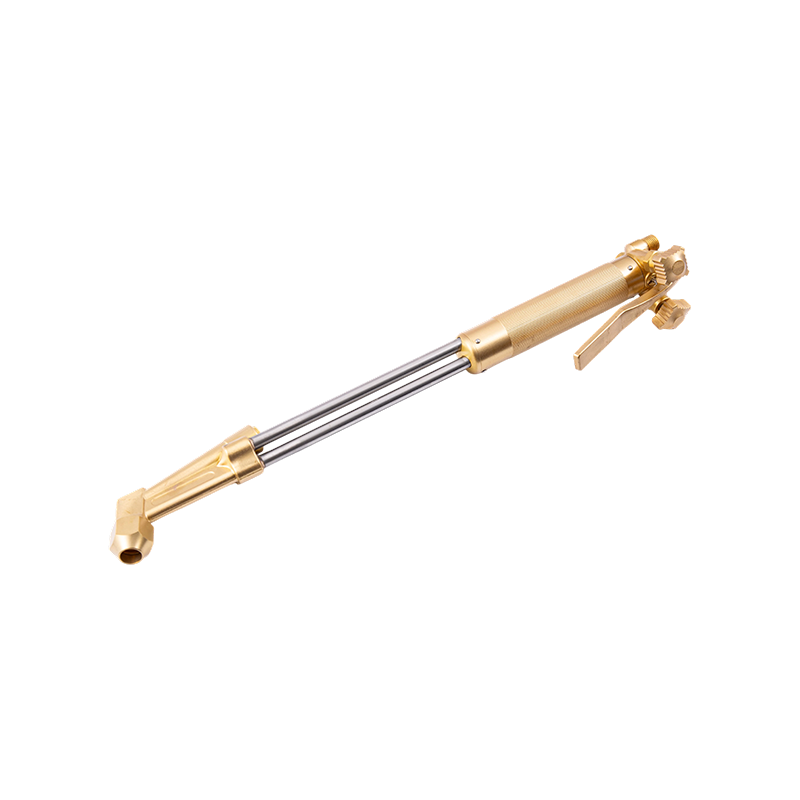
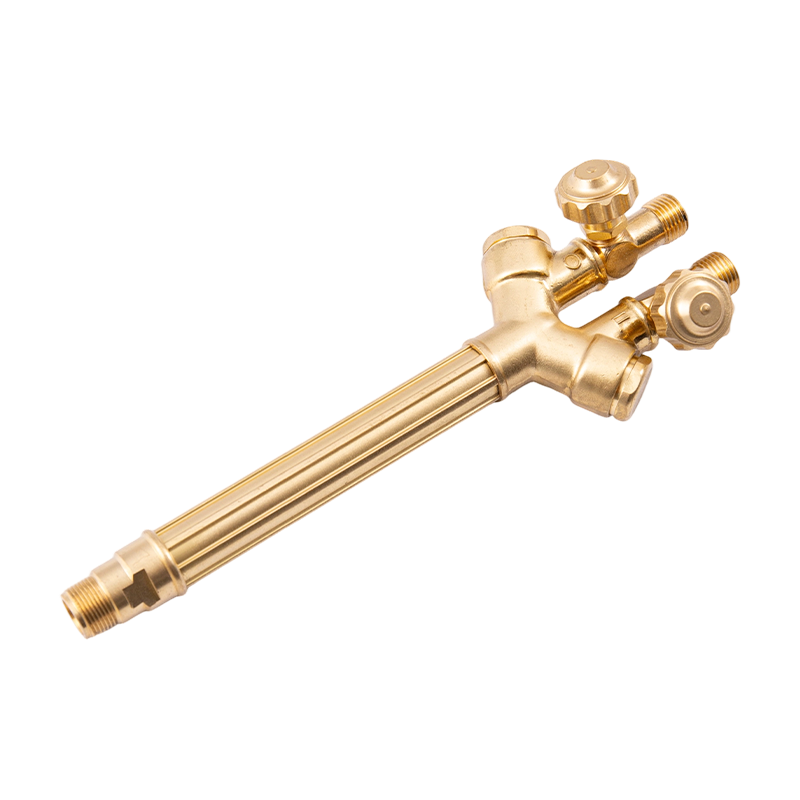
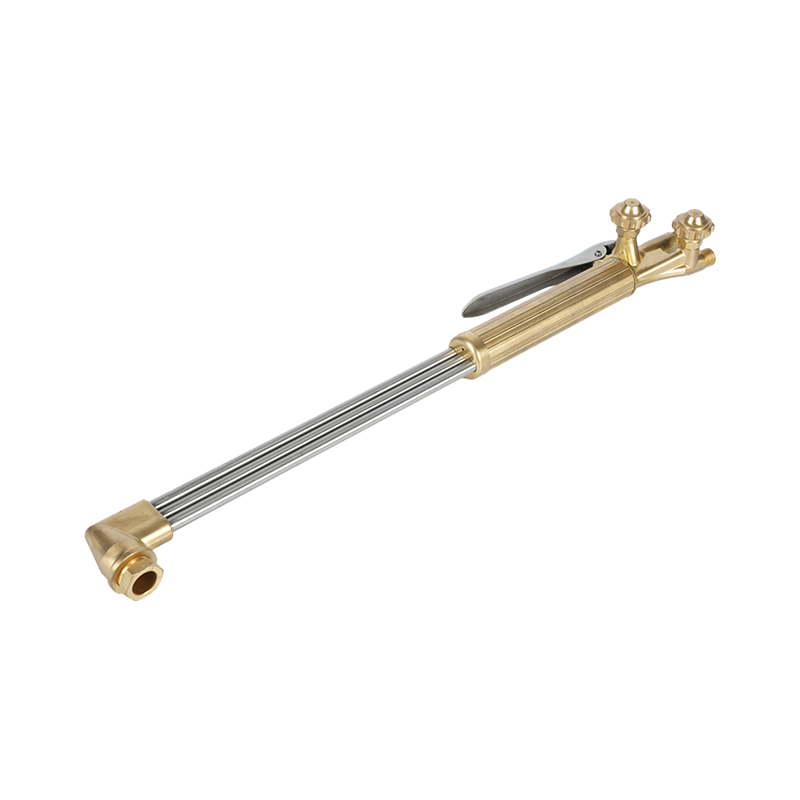
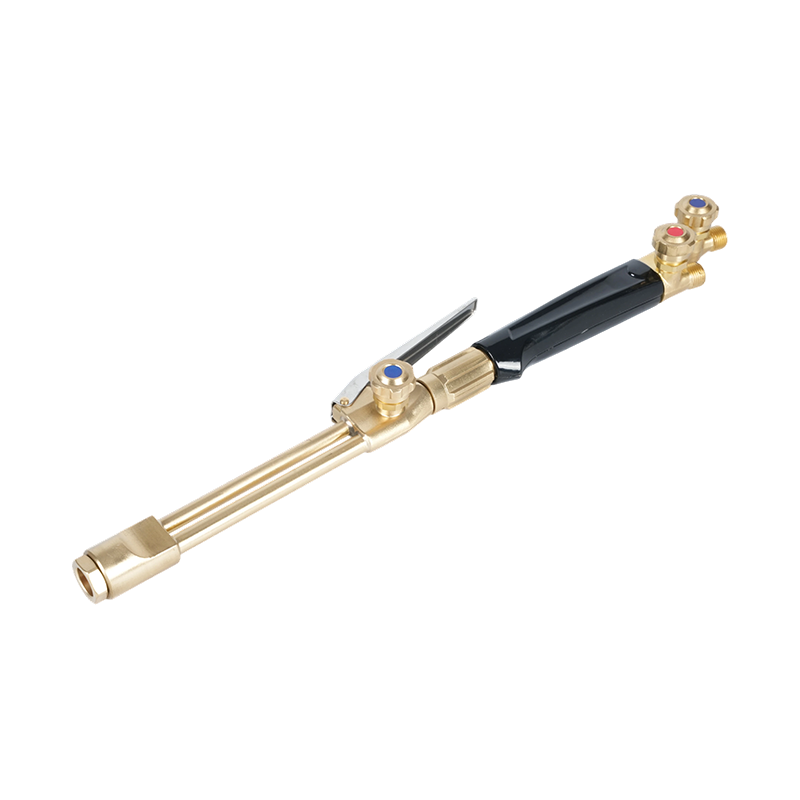
Cutting torch kits are complete oxy-fuel systems engineered to deliver controlled combustion and high-pressure oxygen for cutting carbon steel. Their strength lies in simplicity, deep cutting capacity, and consistent performance across harsh environments.
Unlike electrically powered cutting tools, cutting torch kits operate independently of grid power, making them indispensable for outdoor construction, shipyards, pipelines, and emergency repair work where reliability is critical.
Fuel Gas Selection Directly Influences Cutting Performance
The choice of fuel gas determines flame temperature, preheat speed, and overall operating cost. Cutting torch kits are typically configured for a specific gas type, and mismatching components can reduce efficiency or create safety risks.
Performance Characteristics of Common Fuel Gases
- Acetylene: Flame temperature up to 3,100°C, fastest piercing, ideal for short and precision cuts.
- Propane: Lower flame temperature but excellent secondary heat, preferred for long straight cuts.
- Natural gas: Stable flame, low fuel cost, commonly used in automated cutting systems.
| Fuel Gas | Max Flame Temp | Piercing Speed | Operating Cost |
|---|---|---|---|
| Acetylene | Very High | Very Fast | High |
| Propane | Medium | Moderate | Low |
| Natural Gas | Medium | Moderate | Very Low |
Proper Setup Determines Cut Quality and Efficiency
Most cutting defects originate from incorrect setup rather than equipment limitations. Accurate pressure control and flame adjustment are essential for clean kerfs and minimal slag.
Best-Practice Setup Procedure
- Inspect hoses and connections for leaks before ignition
- Set regulator pressures based on tip size and material thickness
- Adjust preheat flames to a neutral or slightly carburizing state
- Initiate cutting oxygen only after steel reaches ignition temperature
Correct setup can reduce gas consumption by 15–20% while improving edge quality and reducing post-cut grinding.
Integrated Safety Features and Operator Protection
Modern cutting torch kits incorporate multiple layers of safety to control the inherent risks of oxy-fuel cutting.
- Flashback arrestors to stop flame propagation into hoses
- Non-return valves to prevent gas backflow
- Reinforced hoses rated for high-pressure oxygen
Facilities that combine certified equipment with operator training report over 40% fewer torch-related incidents compared to unregulated environments.
Maintenance Practices That Extend Service Life
Routine maintenance preserves flame stability and prevents costly downtime. Cutting torch kits are durable, but their performance depends on clean gas pathways and intact seals.
- Clean cutting tips regularly to prevent oxygen jet distortion
- Replace O-rings and seals showing heat damage
- Calibrate regulators annually for pressure accuracy
Well-maintained cutting torch kits often achieve service lifespans exceeding 10 years in industrial environments.
Professional Conclusion on Cutting Torch Kits
Cutting torch kits remain one of the most dependable tools for heavy-duty steel cutting. Their adaptability to different fuels, thickness ranges, and working environments gives them long-term relevance in modern industry.
When selected correctly and supported by disciplined setup and maintenance, cutting torch kits deliver measurable gains in efficiency, safety, and operating cost control.