
 English
 中文简体
中文简体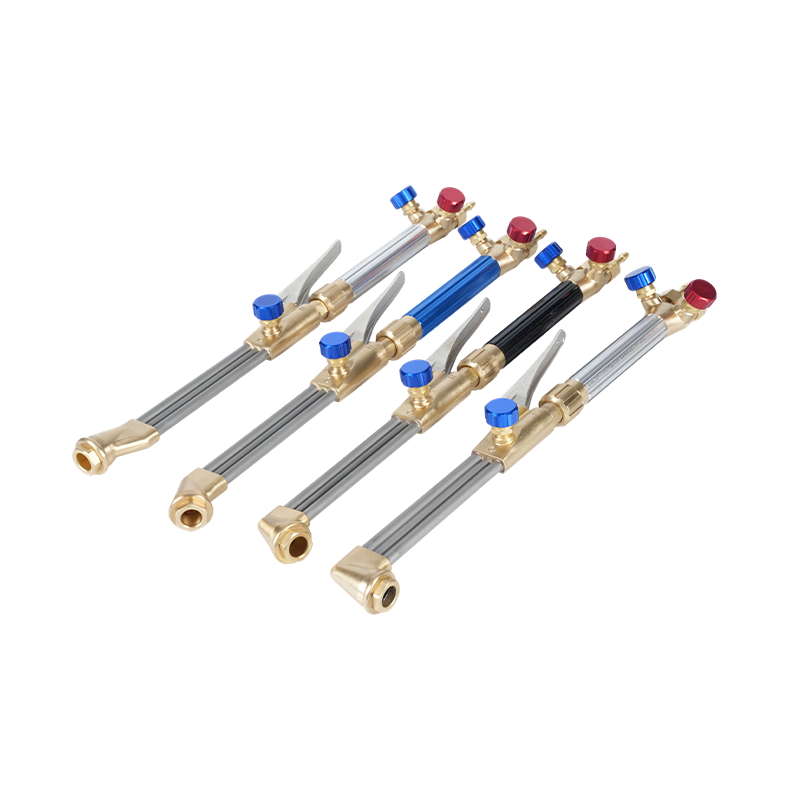
A high-quality cutting torch kit delivers precise, efficient metal cutting for fabrication, repair, and DIY projects when matched to your material thickness and fuel type—with proper safety gear and maintenance, these kits provide professional results for years of reliable service.
Content
Core Components That Define Kit Performance
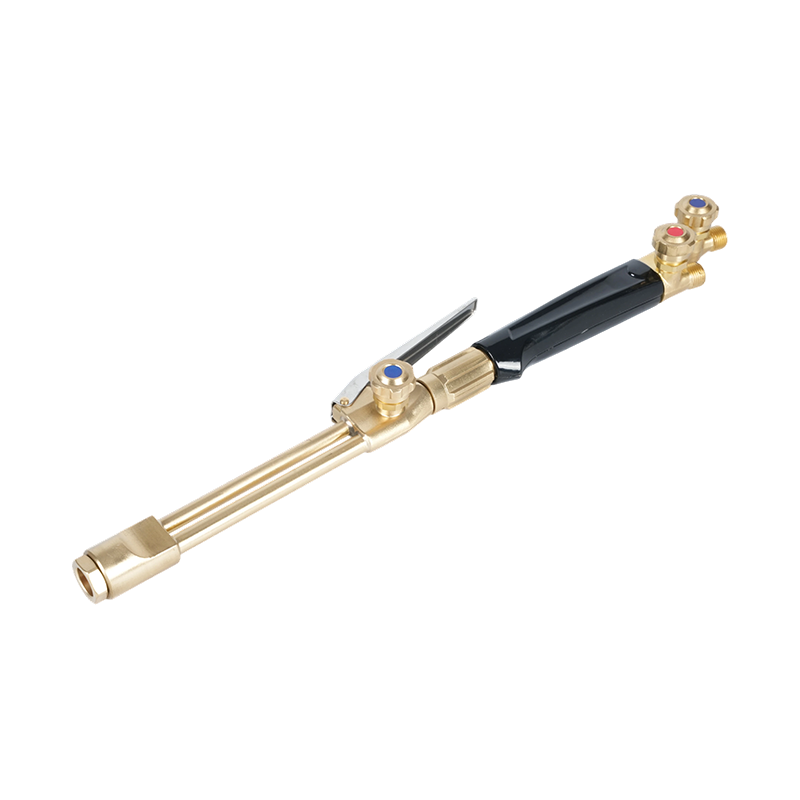
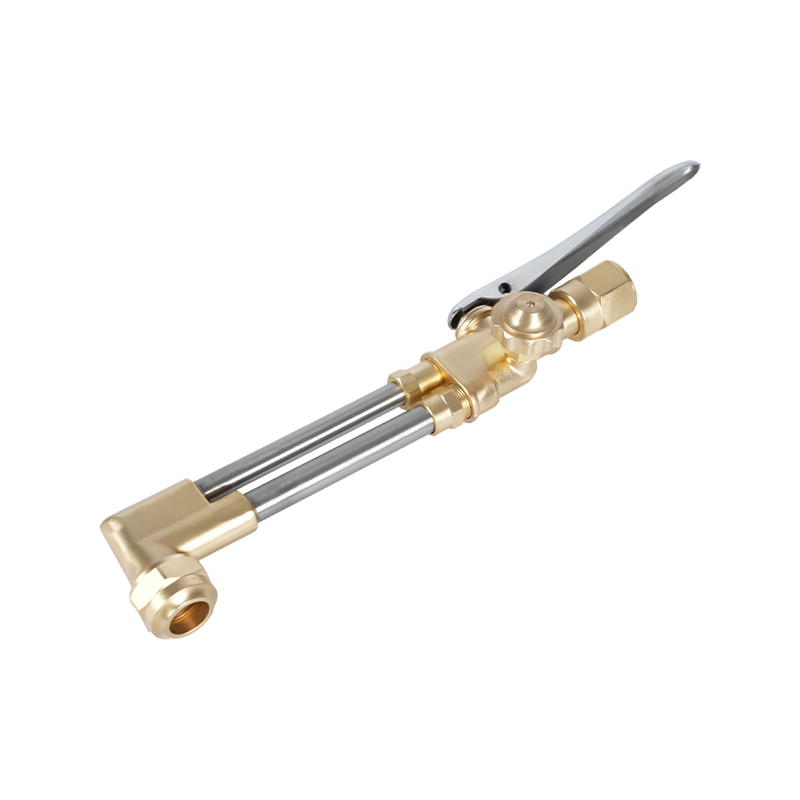
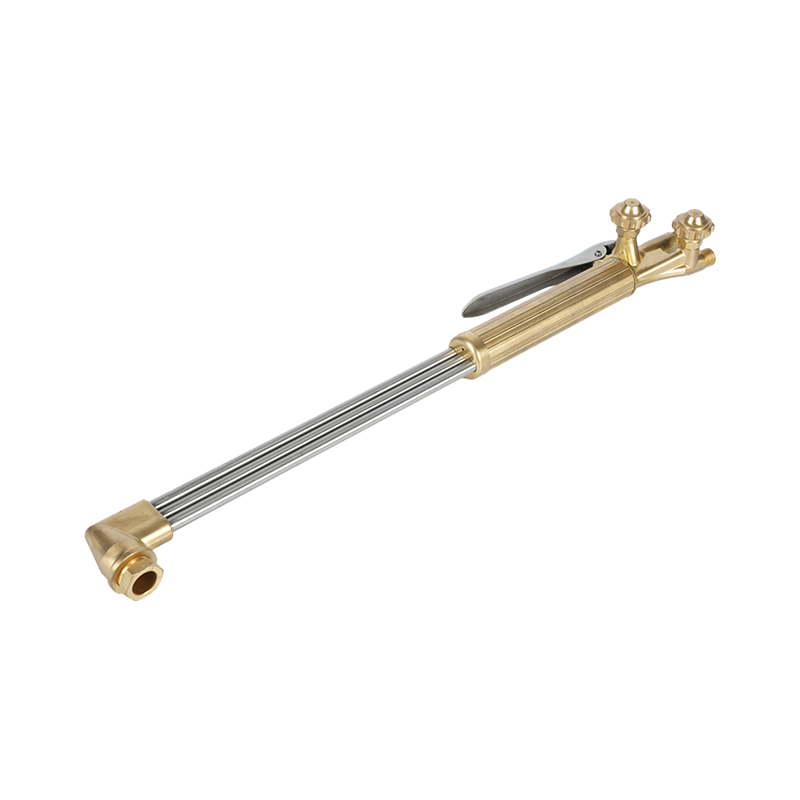
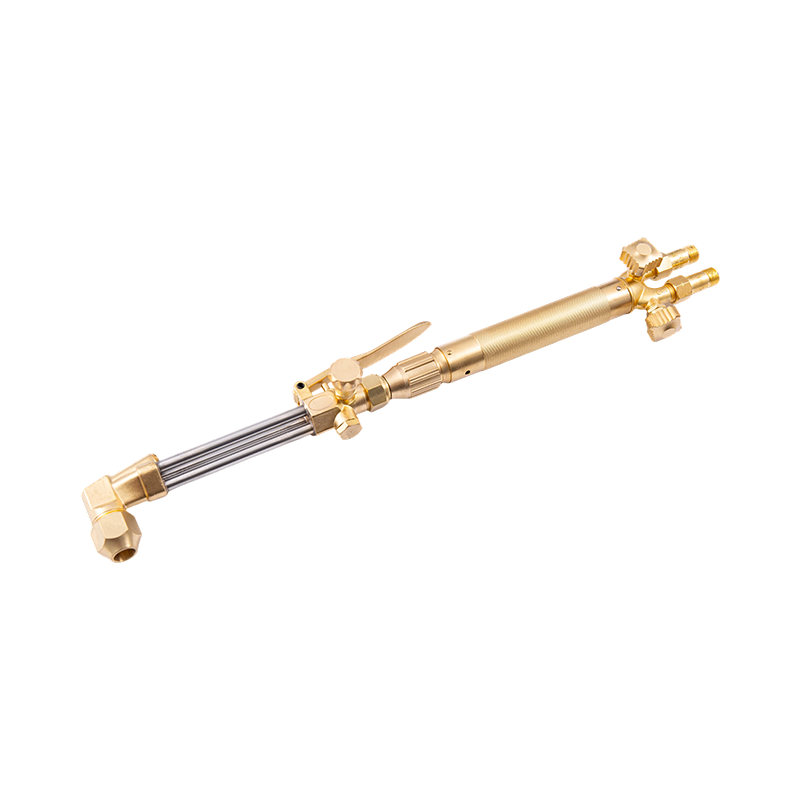
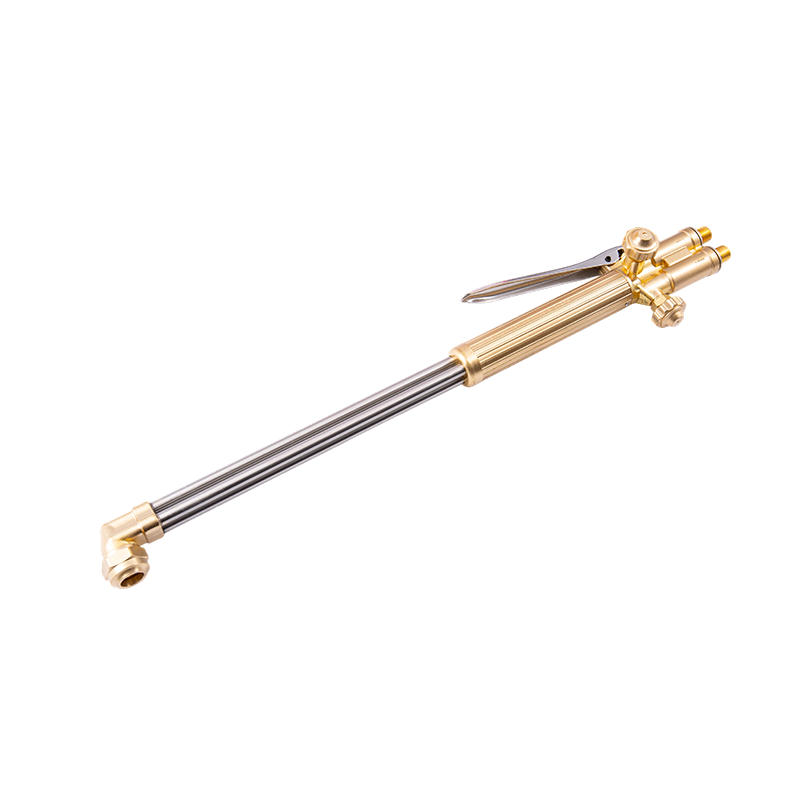
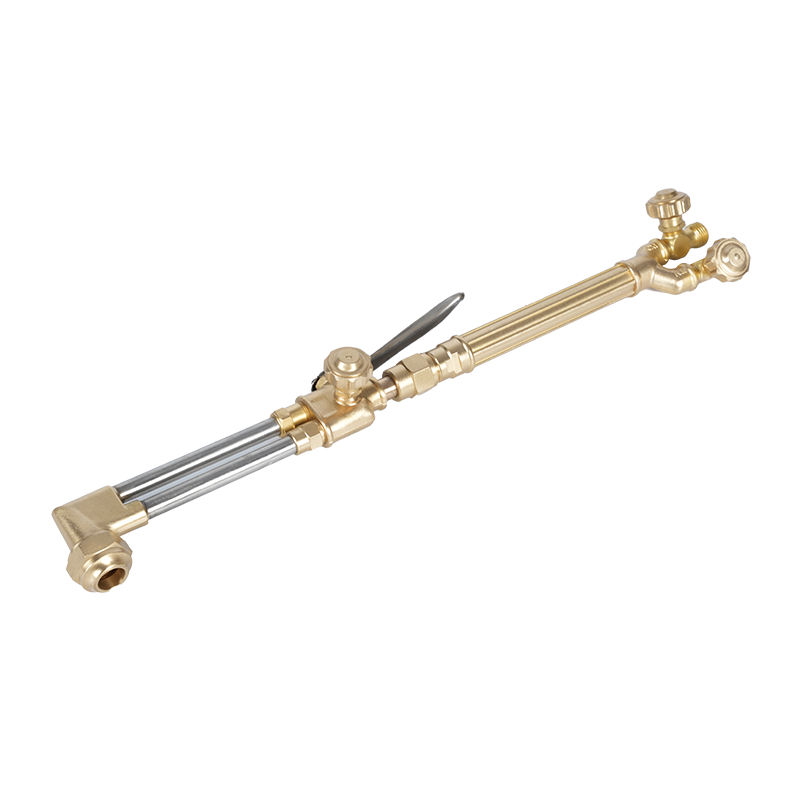
Every effective cutting torch kit contains essential hardware that directly impacts cutting precision and operator safety. The torch handle should feature ergonomic grips and durable brass construction to withstand repeated thermal cycling. High-flow regulators maintain consistent pressure—kits with brass regulators last 3x longer than plastic alternatives according to industry testing data from the Fabricators & Manufacturers Association. Look for reinforced hoses rated for at least 150 PSI with color-coded markings (red for fuel, green for oxygen) to prevent dangerous cross-connections. A complete kit includes at least three cutting tips (sizes #0, #2, #4) to handle material thicknesses from 1/8 inch to 2 inches, plus a dedicated heating tip for bending or pre-heating tasks.
- Torch handle with precision valves for fine flame control
- Dual-stage regulators for stable gas pressure under varying demand
- 25-foot reinforced hoses with brass fittings and check valves
- Tip cleaning set and spark igniter for reliable startup
Selecting the Right Fuel System for Your Work
Fuel type fundamentally determines a cutting torch kit's capability, portability, and operating cost. Oxy-acetylene kits reach flame temperatures near 6,300°F (3,480°C), enabling clean cuts through steel up to 6 inches thick, but require careful handling due to acetylene's instability above 15 PSI. Propane or MAPP gas kits operate at lower temperatures (~4,500°F) yet offer safer storage, lower fuel costs, and sufficient power for most automotive and light fabrication work under 1 inch thickness. For field repairs, portable kits weighing under 25 pounds with integrated cylinder mounts save time—contractors using lightweight propane kits report 40% faster setup times on job sites according to a 2025 trade survey.
Application-Based Fuel Recommendations
- Heavy structural steel: Oxy-acetylene with size #5+ tips
- Auto repair or HVAC: Propane kit with #1-#3 tips
- Artistic metalwork: Precision oxy-propane for fine control
Critical Safety Protocols for Torch Operation
Safety isn't optional with cutting torch kits—OSHA data shows 68% of torch-related incidents stem from improper hose inspection or regulator misuse. Always perform a leak test with soapy water before ignition, and never use oil or grease on oxygen fittings due to spontaneous combustion risk. Wear ANSI-approved shade 5 welding goggles, flame-resistant clothing, and keep a Class ABC fire extinguisher within arm's reach. Store cylinders upright with valve caps secured, and maintain at least 20 feet of clearance from flammable materials. A 2024 National Safety Council report emphasized that crews using check valves and flashback arrestors reduced accident rates by over 90% compared to basic setups.
| Item | Purpose | Minimum Standard |
|---|---|---|
| Flashback arrestor | Prevents flame reversal into hoses | CGA E-4 certified |
| Leak detection solution | Identifies gas seepage before ignition | Non-petroleum based |
| Fire-resistant gloves | Protects hands from sparks and heat | Leather or Kevlar® |
Smart Buying Criteria for Long-Term Value
Avoid overspending by aligning kit specifications with your actual project needs. For cutting steel under 1 inch, prioritize kits with size #2-#4 tips and dual-gauge regulators for precise pressure monitoring. Kits with stainless steel tip orifices maintain cutting accuracy 5x longer than brass tips when working with galvanized or painted metals. Evaluate case durability—molded polymer cases with custom foam inserts protect components during transport better than soft bags. When comparing brands, verify warranty coverage: top manufacturers offer 2-5 year warranties on regulators and torch handles, reflecting confidence in build quality. Read verified user reviews focusing on tip availability and customer support responsiveness, as replacement part access significantly impacts long-term usability.
- Confirm tip compatibility with your target material thickness
- Verify regulator material (brass preferred) and gauge accuracy
- Check hose length and reinforcement for your workspace layout
- Ensure replacement tips and seals are readily available
Maintenance Practices That Extend Kit Lifespan
Consistent maintenance prevents costly repairs and ensures reliable performance. After each use, purge hoses by briefly opening torch valves to clear residual gas, then cap all fittings to block moisture and debris. Clean cutting tips after every 10 hours of operation using the provided reamer set to remove slag buildup that disrupts flame symmetry. Store regulators in a dry environment to prevent internal corrosion—humidity above 60% accelerates seal degradation. Annually inspect hoses for cracks or abrasions; replace any section showing wear even if leaks aren't visible. Keep a maintenance log tracking tip replacements and regulator calibrations; shops following this protocol report 70% fewer unexpected downtime incidents according to equipment management studies. Always use manufacturer-recommended lubricants on valve stems to maintain smooth operation without compromising gas purity.