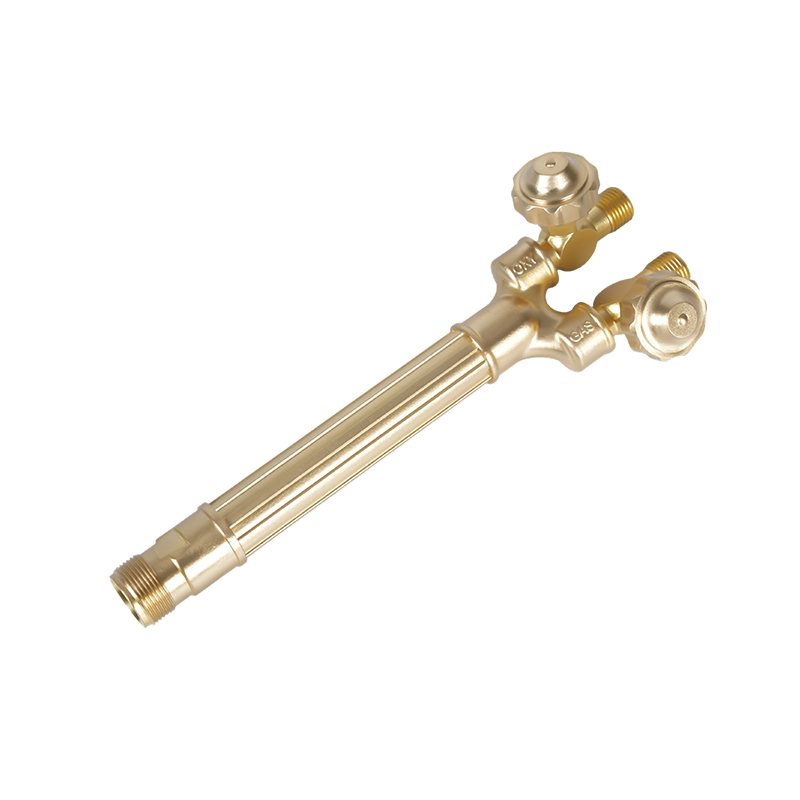
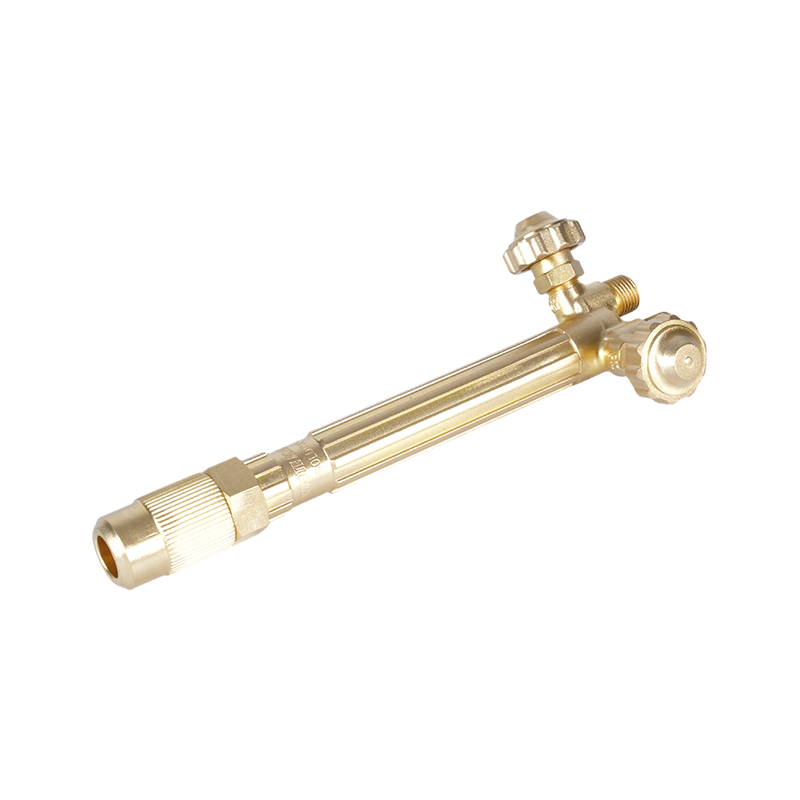
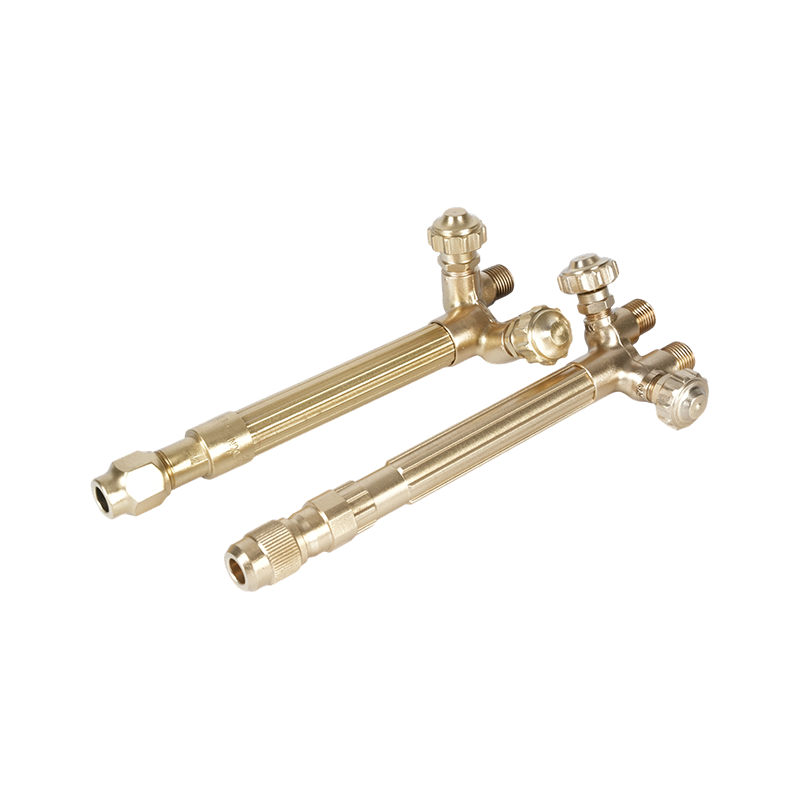
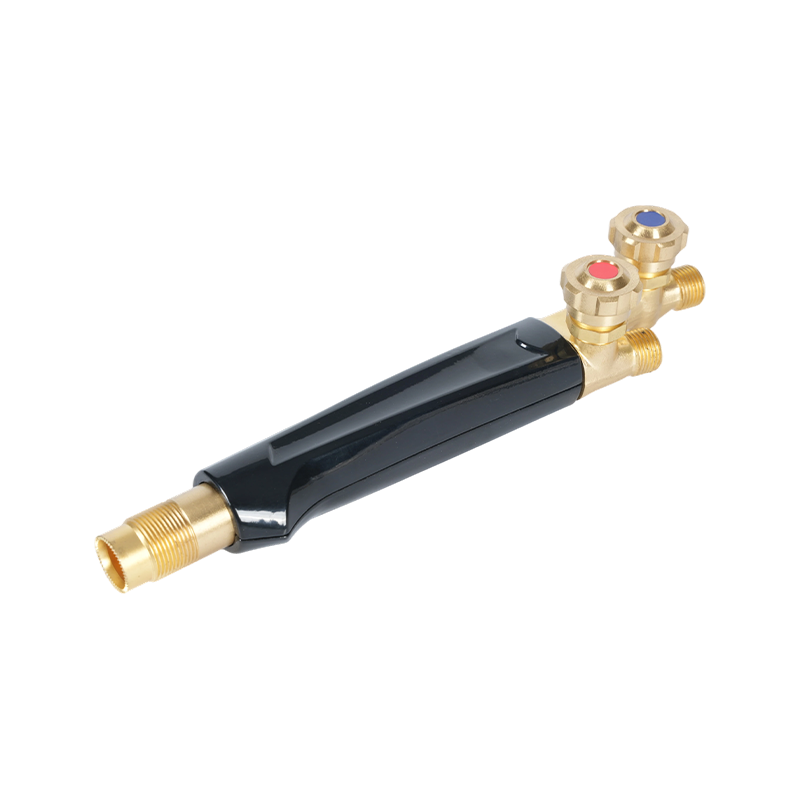
Ergonomic Considerations in Cutting Torch Handle Design
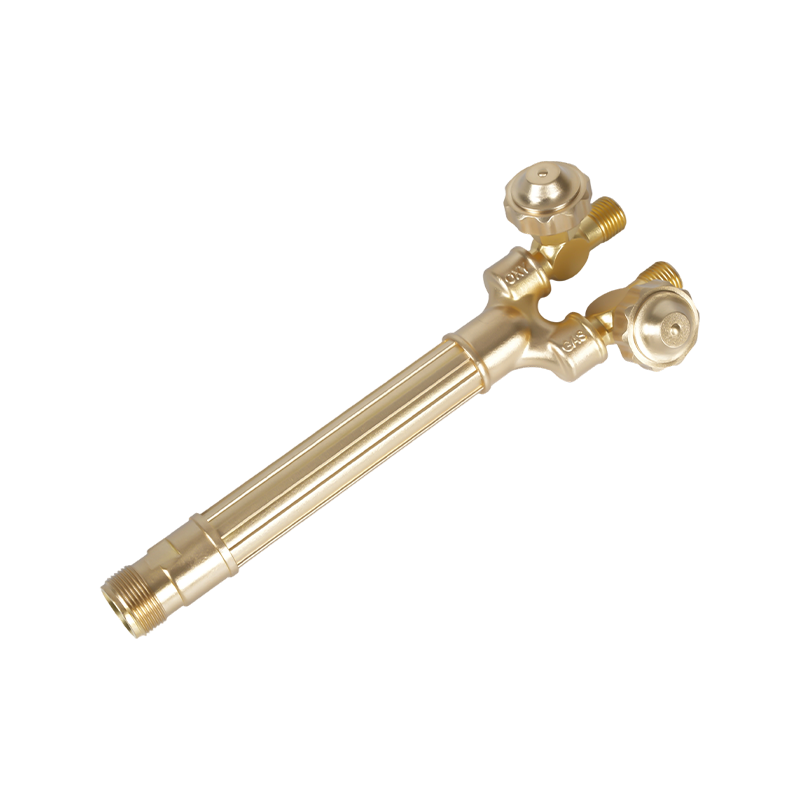
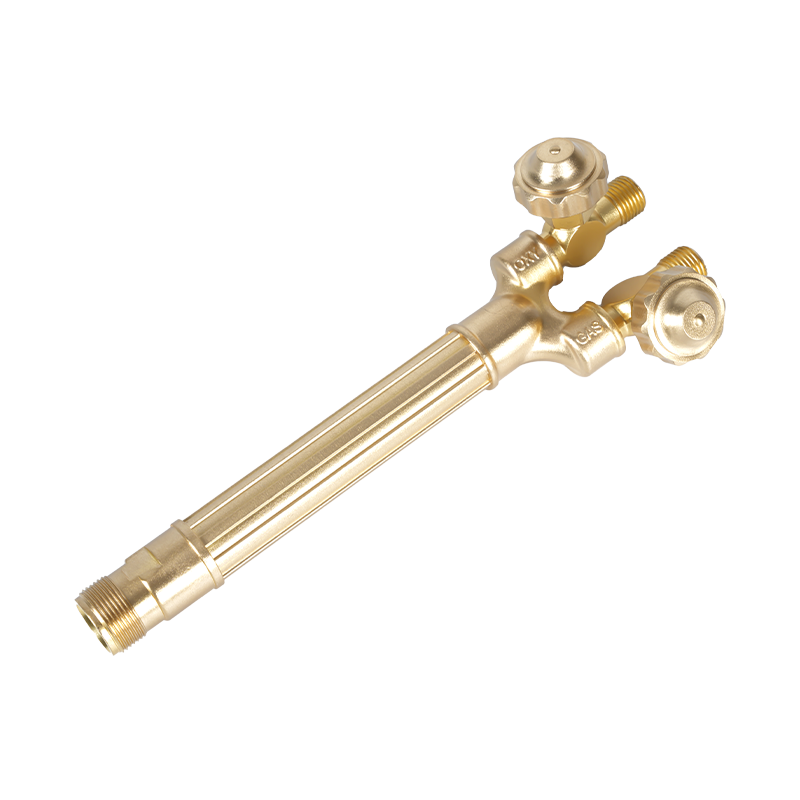
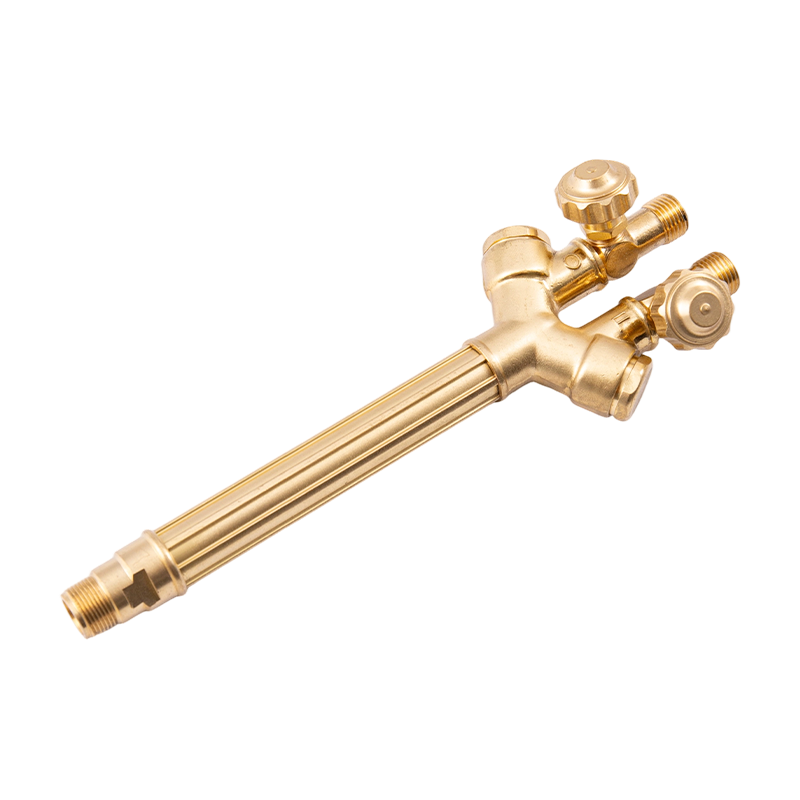
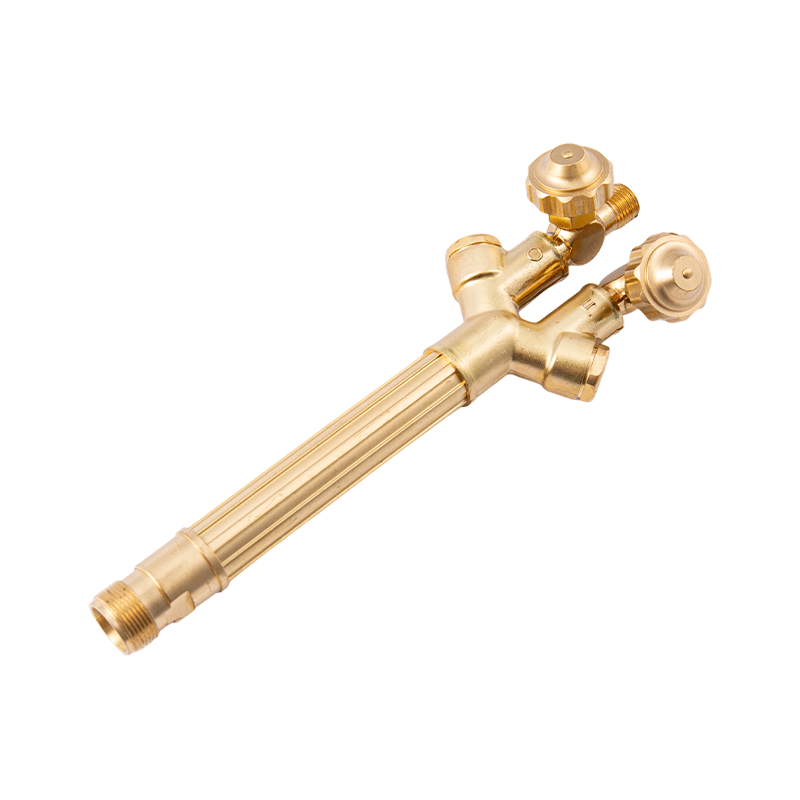
Ergonomics play a crucial role in cutting torch handle performance, particularly for operators handling long cutting sessions. The balance point between the handle and attached hoses influences wrist fatigue more than most users realize. Subtle changes—such as a 5–8 mm variation in trigger position—can significantly alter comfort. In my own production experience, our brass alloy forging process helps achieve a consistent internal weight distribution, making the handle feel steadier during high-angle cutting.
- Handles with slimmer mid-sections help operators maintain grip with gloves.
- Knurled surfaces reduce slippage when hoses create lateral pull.
Performance Differences Between Acetylene and Propane Torch Handles
Acetylene and propane have different flame characteristics, and the handle’s internal gas channels must accommodate those differences. Acetylene requires narrower preheat passages because its flame is more concentrated, while propane benefits from wider channels to support broader heat distribution. When designing handles in our facility, we apply different machining tolerances per fuel type to maintain optimal gas mixing efficiency.
| Fuel Type |
Channel Design |
Resulting Behavior |
| Acetylene |
Narrow, high-pressure flow |
Focused, hotter preheat flame |
| Propane |
Wider, higher-volume flow |
Broader flame with smooth distribution |
Valve sensitivity determines how accurately operators can fine-tune fuel and oxygen flow. Even a minor lag in valve response can cause flame instability, especially when cutting thin materials. High-precision valves rely on finely machined threads and polished sealing surfaces. Since our company specializes in precision brass processing, I’ve witnessed how a smoother valve stem finish enhances micro-adjustment control and reduces operator error during delicate work.
- Choose handles with double O-ring valve designs for better leak resistance.
- Micro-thread valves allow more stable flame control in sheet metal tasks.
Thermal Conductivity and Heat Management in Torch Handles
One often overlooked factor is how different metals conduct heat along the handle. Brass handles warm up more slowly than aluminum handles due to their lower thermal conductivity, which improves user comfort during extended cutting operations. Our forged brass alloy handles retain structural rigidity even under high heat exposure, minimizing deformation around internal channels. This is particularly important when cutting thick plate, where prolonged preheating transfers more heat to the handle body.
Compatibility Issues When Switching Between Fuel Types
Operators sometimes switch between acetylene and propane without considering the internal configuration of the handle. Differences in back-pressure, flame temperature, and gas density affect how each fuel flows through the handle. Using a handle optimized for acetylene on propane often results in weaker preheat performance. Because we develop both fuel-specific and universal models, I’ve seen how properly aligned channel geometry prevents turbulence and maintains stable gas mixing regardless of fuel type.
- Confirm whether the handle is single-fuel or dual-fuel compatible before use.
- Use matching tips and nozzles to ensure correct mixing behavior.
How Trigger Mechanism Design Influences Cutting Accuracy
Trigger tension affects both comfort and accuracy when initiating the oxygen jet. Heavy triggers cause jerking motions that misalign the starting cut, while overly light triggers may be triggered unintentionally. We’ve found that a spring tension range between 1.2–1.6 N is ideal for most operators. During manufacturing, controlling the spring’s heat treatment ensures consistent tension across batches, improving reliability under repeated use.
Maintenance Practices to Extend Torch Handle Lifespan
Acetylene Torch Handles often fail prematurely due to internal contamination or lubrication issues. Metal particles, moisture, and oil can accumulate inside gas passages, causing irregular flow. Regular cleaning—especially ultrasonic cleaning—helps remove these contaminants. Because our facility handles its own forging and machining, we often advise customers that smoother internal surfaces reduce buildup and make maintenance easier.
- Inspect valve threads every few months to avoid binding.
- Flush fuel passages using clean, dry compressed air.
- Replace worn O-rings promptly to maintain gas separation.
Material Selection for High-Durability Torch Handles
The material used in torch handles influences corrosion resistance, strength, and machining accuracy. Brass alloys remain popular because they resist oxidation and retain dimensional stability during forging. In our own production line, we rely on high-grade brass alloys that maintain tight tolerances even after extensive machining. For environments with high moisture or chemical exposure, nickel-plated finishes provide added durability and prevent micro-pitting inside the handle body.
| Material |
Strength |
Best Environment |
| Brass Alloy |
High dimensional stability |
General industrial use |
| Aluminum |
Lightweight, lower heat resistance |
Portable field applications |
| Nickel-Plated Brass |
Enhanced corrosion resistance |
Humid or coastal environments |

 English
 中文简体
中文简体