
 English
 中文简体
中文简体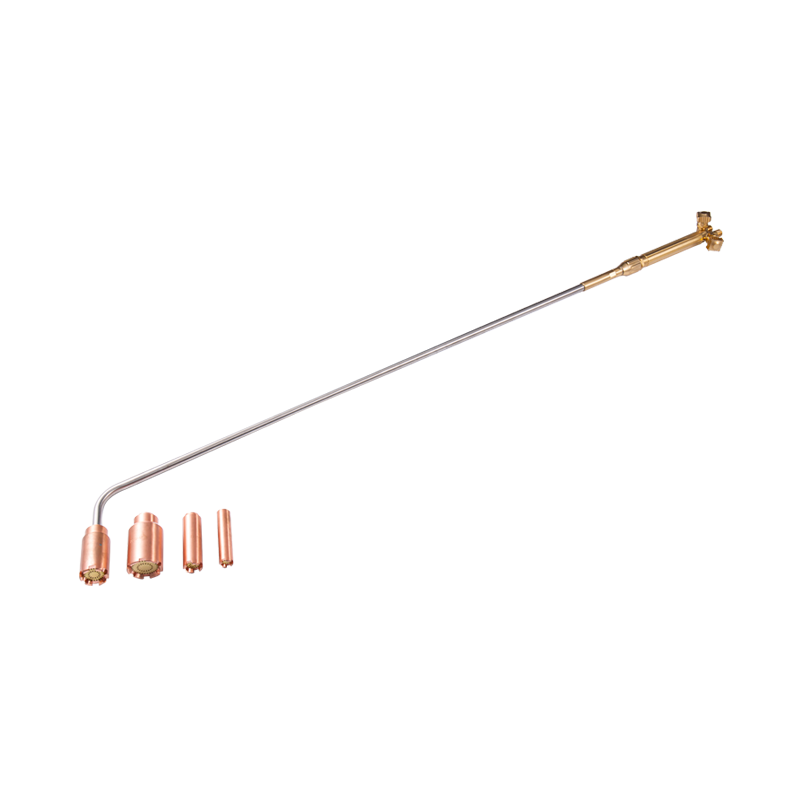
Content
Understanding Heating Torches
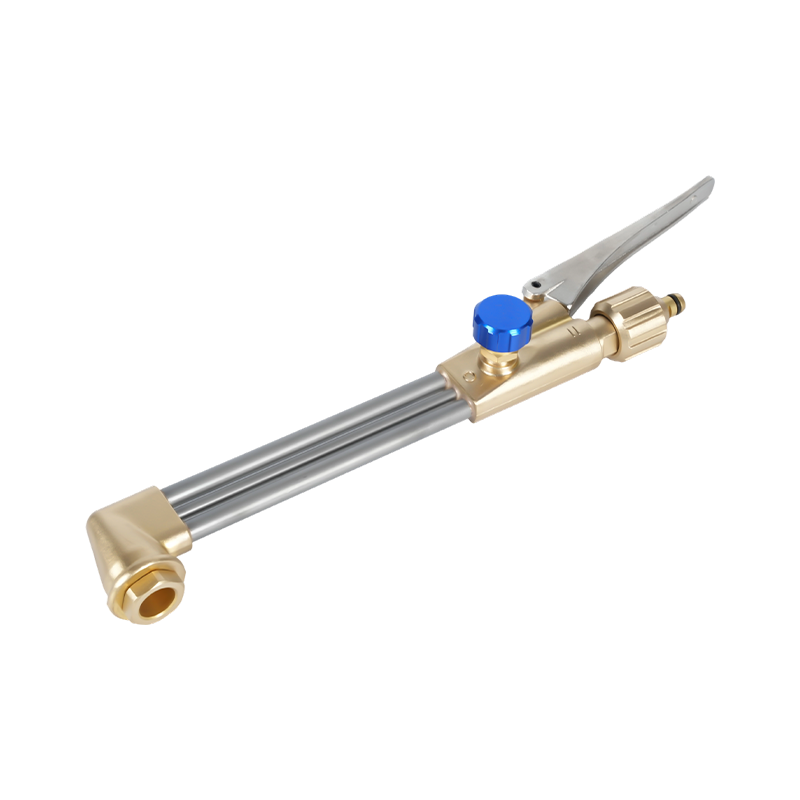
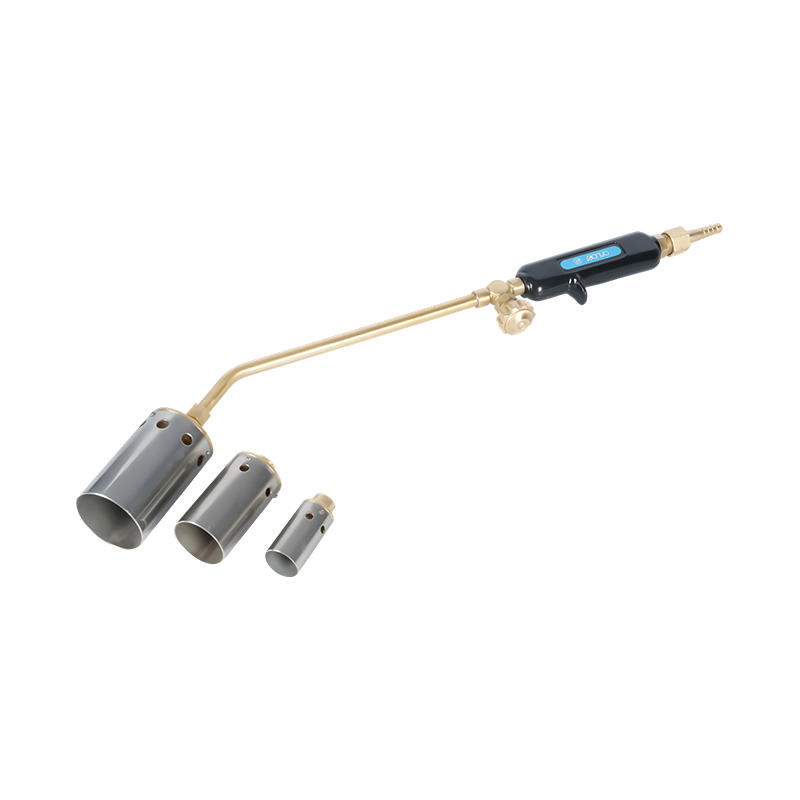
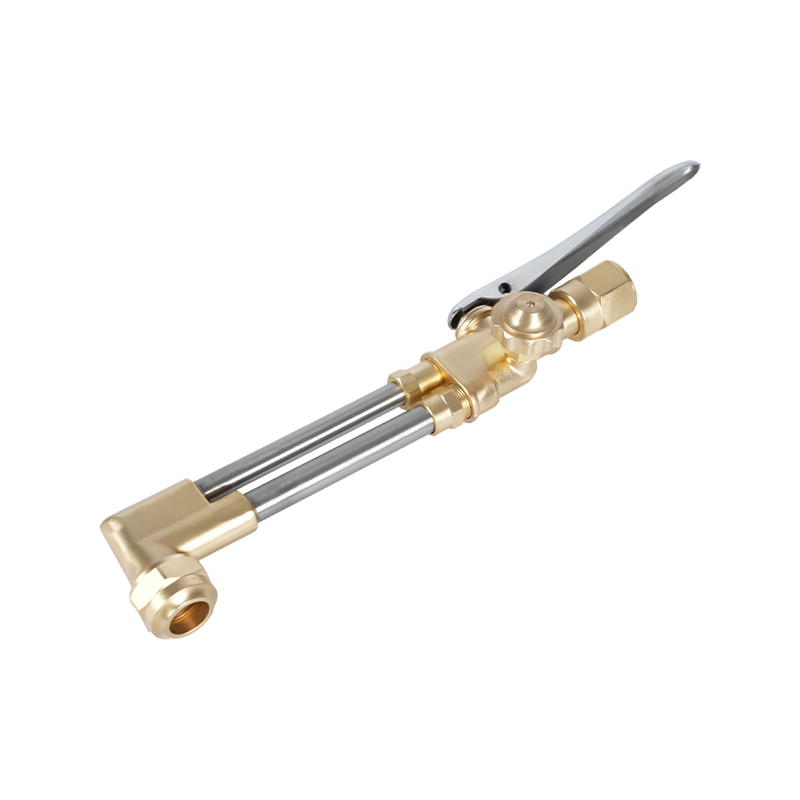
Heating torches, also known as blowtorches or gas torches, are versatile tools used for metalwork, plumbing, cooking, and DIY projects. They produce a high-temperature flame capable of melting metals, loosening rusted components, or even caramelizing food. However, improper use can lead to severe injuries or property damage. Understanding the basic types, components, and functions is the first step toward safe operation.
Types of Heating Torches
There are several types of heating torches, each suited for specific applications. Choosing the right torch helps ensure safety and efficiency.
Propane Torches
Propane torches are commonly used in plumbing, welding, and DIY projects. They are portable and refillable. However, due to their strong flame, users must wear protective gloves and goggles and work in well-ventilated areas.
Butane Torches
Butane torches are smaller and ideal for cooking or small-scale craft projects. They are convenient but have limited fuel capacity and must be handled with caution to prevent leaks or accidental ignition.
MAPP Gas Torches
MAPP gas torches provide higher heat than propane and are suitable for heavy-duty metalwork. Due to intense flame output, proper protective equipment and distance from flammable materials are essential.
Essential Safety Equipment
Before operating any heating torch, it’s important to wear the correct safety equipment. This minimizes risks of burns, fire, and gas exposure.
- Flame-resistant gloves to protect hands from heat and sparks.
- Safety goggles or a face shield to protect eyes from sparks and intense light.
- Long-sleeved, fire-resistant clothing to prevent burns.
- Closed-toe shoes and heat-resistant work boots.
- A fire extinguisher or bucket of sand nearby for emergencies.
Preparation Before Use
Proper preparation ensures safe heating torch operation and prevents accidents. Follow these steps carefully:
Check Fuel Connections
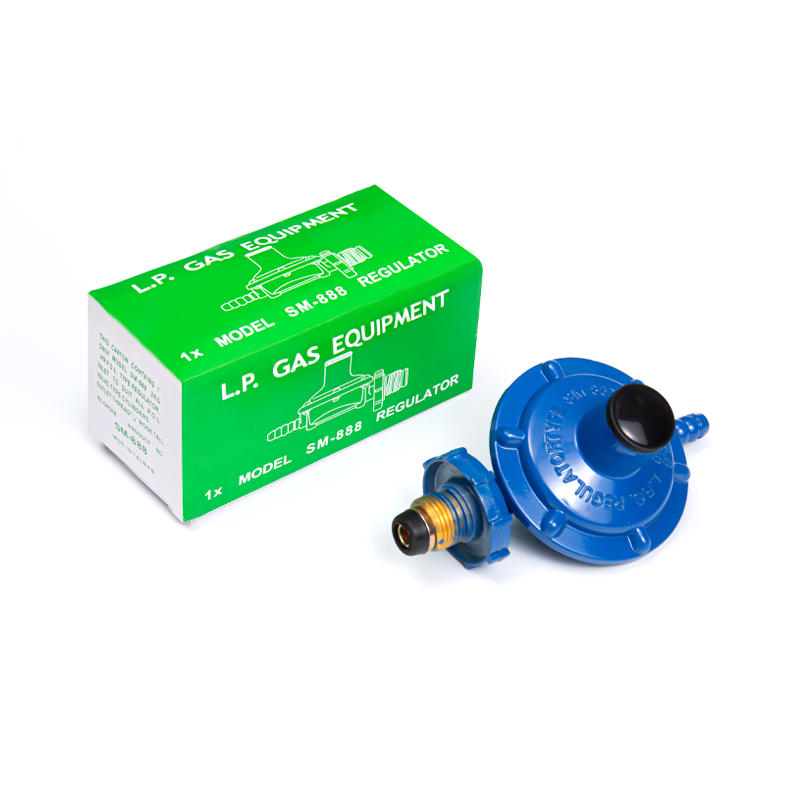
Ensure that the fuel canister is securely attached to the torch. Leaks can result in dangerous fires or explosions. Always check for hissing sounds or unusual odors before igniting.
Clear Work Area
Remove flammable materials, including paper, solvents, and fabrics. Make sure the surface is stable and non-combustible. Keep pets and children away from the work zone.
Ventilation
Use heating torches in well-ventilated areas. Propane and butane produce carbon monoxide, which can be hazardous in enclosed spaces. If indoors, open windows and doors, or use an exhaust fan.
Step-by-Step Safe Operation
Follow a structured approach to operate heating torches safely and efficiently.
Igniting the Torch
1. Open the fuel valve slightly.
2. Use a spark igniter or built-in ignition system to light the flame.
3. Adjust the flame to a steady, controlled size according to the task.
Using the Torch
Maintain a consistent distance from the material being heated. Avoid pointing the flame toward yourself or others. For metalwork, use a heat-resistant surface or clamp to stabilize small pieces.
Shutting Down Safely
Turn off the fuel valve completely and allow the torch to cool. Never touch the nozzle immediately after use. Store the torch upright in a ventilated area away from heat sources.
Maintenance and Storage
Regular maintenance ensures the heating torch functions properly and reduces risks of accidents. Pay attention to the following:
- Check hoses, valves, and connections for cracks or leaks.
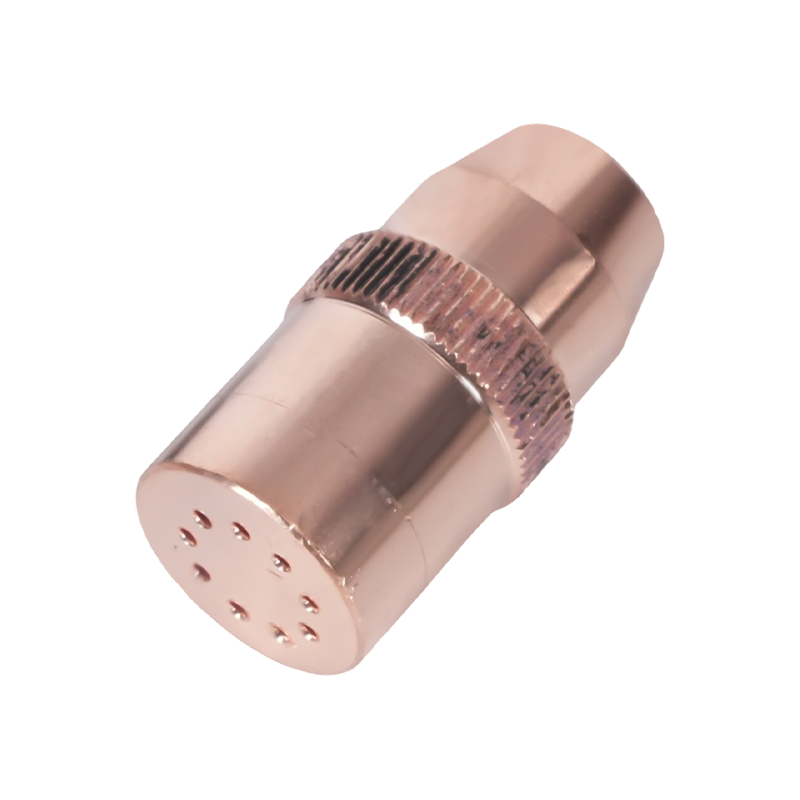
- Clean the nozzle to prevent blockages and uneven flame distribution.
- Store fuel canisters separately in a cool, ventilated area.
- Replace worn-out parts immediately to maintain safety standards.
Common Hazards and How to Avoid Them
Even experienced users can encounter hazards if precautions are ignored. Identifying common risks helps prevent accidents.
| Hazard | Cause | Prevention |
|---|---|---|
| Burns | Contact with flame or hot nozzle | Wear protective gloves and maintain safe distance |
| Fire hazards | Flammable materials near torch | Clear area and keep fire extinguisher nearby |
| Gas leaks | Loose connections or damaged hoses | Inspect equipment before each use |
| Carbon monoxide | Using torch in enclosed space | Ensure proper ventilation |
Conclusion
Heating torches are incredibly useful tools when handled responsibly. Understanding the types, safety equipment, preparation, operation, and maintenance significantly reduces risks. By following these guidelines, both beginners and experienced users can use heating torches safely for a variety of home and professional tasks, ensuring efficiency without compromising safety.