
 English
 中文简体
中文简体
The temperature a cutting torch produces is one of the most frequently cited — and most frequently misunderstood — numbers in oxy-fuel cutting. People ask how hot a cutting torch gets, receive a number in the thousands of degrees, and assume higher is always better. The reality is more nuanced: flame temperature is one factor in cutting performance, but not the only one, and not always the most important one. Understanding what the temperature numbers actually mean helps you select the right gas, the right tip, and the right setup for the work at hand.
Content
- 1 How Hot Does a Cutting Torch Get?
- 2 Why Cutting Torch Temperature Is Only Part of the Story
- 3 Fuel Gas Temperature Comparison
- 4 Acetylene: Hottest Flame, Fastest Preheat
- 5 Propane and Propylene: Lower Temperature, Higher BTU
- 6 How the Cutting Tip Affects Heat Delivery
- 7 Managing Temperature for Safe and Clean Cuts
- 8 Choosing the Right Setup for Your Temperature Needs
How Hot Does a Cutting Torch Get?
The preheat flame of a cutting torch — the ring of flame that surrounds the cutting tip before the cutting oxygen lever is engaged — reaches temperatures between 4,400°F and 6,000°F (approximately 2,400°C to 3,300°C), depending on the fuel gas used and the ratio of oxygen to fuel in the mixture. This range covers all common oxy-fuel cutting setups, from propane at the lower end to oxy-acetylene at the upper end.
The preheat flame serves a specific purpose: raising the base metal to its kindling temperature, which for mild carbon steel is approximately 1,600°F (870°C). At this temperature, the steel reaches a bright orange color and begins to show sparks at the surface edge. Only at this point is the metal ready for cutting. When the operator opens the cutting oxygen lever, a high-pressure stream of pure oxygen is introduced to the preheated area — and the actual cutting begins.
Importantly, the cutting oxygen stream itself does not add significant flame temperature. What it does is initiate and sustain a chemical reaction between the oxygen and the iron in the steel. That reaction — not the torch flame — does the actual work of cutting.
Why Cutting Torch Temperature Is Only Part of the Story
The distinction between flame temperature and heat output is one that experienced cutting operators understand but beginners often miss. Temperature measures how hot the flame is at its core. Heat output — measured in BTU per cubic foot of gas consumed — measures how much thermal energy the flame transfers to the workpiece over time. These are related but not identical, and optimizing for one does not automatically optimize for the other.
Acetylene produces the hottest oxy-fuel flame of any commonly available gas, but its total heat output (BTU content) is lower than propylene and propane because it burns at a faster rate with less fuel volume. A propylene flame burns somewhat cooler than acetylene, but its outer flame cone delivers significantly more BTU content — meaning it can heat a larger mass of steel more efficiently for certain applications, even though the peak temperature is lower.
The cutting process itself is also fundamentally chemical rather than thermal. Once the steel reaches kindling temperature, the cutting oxygen stream oxidizes the iron — essentially burning it — in an exothermic reaction that generates its own heat. The torch's preheat flame sustains this reaction as the torch moves along the cut, but the energy driving the cut is largely self-sustaining once established. This is why a cutting torch does not simply melt through steel the way a welder might expect: it chemically converts a narrow path of iron into liquid iron oxide (slag), which is blown out of the kerf by the oxygen pressure.
Fuel Gas Temperature Comparison
Four gases account for the vast majority of oxy-fuel cutting applications. Their temperature and heat output characteristics differ in ways that make each one better suited to certain tasks:
| Fuel Gas | Flame Temp (with O₂) | Primary Flame BTU/ft³ | Best Application |
|---|---|---|---|
| Acetylene | ~5,600°F (3,100°C) | ~507 BTU/ft³ | Fast preheat, thin to medium steel, precision cutting |
| Propylene | ~5,300°F (2,930°C) | ~440 BTU/ft³ (primary); high secondary | Thick steel, bevel cutting, scrap cutting, cost efficiency |
| Propane | ~4,600°F (2,540°C) | ~255 BTU/ft³ (primary) | Thick steel heating, slow-speed cutting, large part preheating |
| MAPP / MAP-Pro | ~5,300°F (2,930°C) | Similar to propylene | Small part heating, brazing, high-pressure submerged cutting |
Note that BTU values vary by source and measurement method. The figures above reflect primary (inner cone) heat release, which is the most relevant value for preheat speed. Secondary flame (outer cone) BTU content is an additional factor — particularly significant for propylene, which delivers more than twice acetylene's secondary flame BTU output.
Acetylene: Hottest Flame, Fastest Preheat
Oxy-acetylene produces the highest flame temperature of any common cutting gas — approximately 5,600°F (3,100°C) with a 1:1 oxygen-to-fuel ratio. This translates directly into the fastest preheat times, which matters in production environments where cut-cycle time affects throughput. For precision work on thinner stock, acetylene's concentrated inner cone delivers targeted heat with minimal spread, reducing heat-affected zones on parts where dimensional accuracy is critical.
Acetylene has two significant limitations. First, it must never be used at pressures exceeding 15 PSI — above this threshold, the gas becomes unstable and can decompose explosively without an ignition source. This pressure ceiling limits the maximum flow rate achievable, which in turn limits cutting speed on very thick plate. Second, acetylene's higher flashback tendency compared to alternative gases means that flashback arrestors are not optional — they are a safety requirement for any oxy-acetylene setup. The gas is also available only in cylinders with a maximum capacity of roughly 400 cubic feet, making it more costly to maintain supply for high-volume cutting operations.
Propane and Propylene: Lower Temperature, Higher BTU
Propane burns at approximately 4,600°F (2,540°C) with oxygen — significantly cooler than acetylene — but its high secondary flame BTU content makes it effective for heating large masses of steel and cutting thick plate at lower speeds. The longer preheat time required is an accepted trade-off in applications where cut quality on heavy sections matters more than cycle speed. Propane is widely available, can be supplied in bulk or via pipeline, and is substantially less expensive than acetylene per unit of heat delivered.
Propylene occupies a middle position: its flame temperature of approximately 5,300°F (2,930°C) is close to acetylene, but its total BTU content — combining primary and secondary flame — is roughly twice that of acetylene per cubic foot of gas. This combination makes propylene the preferred choice for cutting thick steel, bevel cutting, scrap processing, and flame spray applications. It is also approximately 50% less expensive than acetylene, 20 times more stable (with a very low flashback tendency), and one 100-pound cylinder of propylene can replace approximately five large acetylene cylinders in typical cutting use. For operations that currently use acetylene for general cutting and want to reduce gas costs without significant loss of performance, propylene is the most direct alternative.
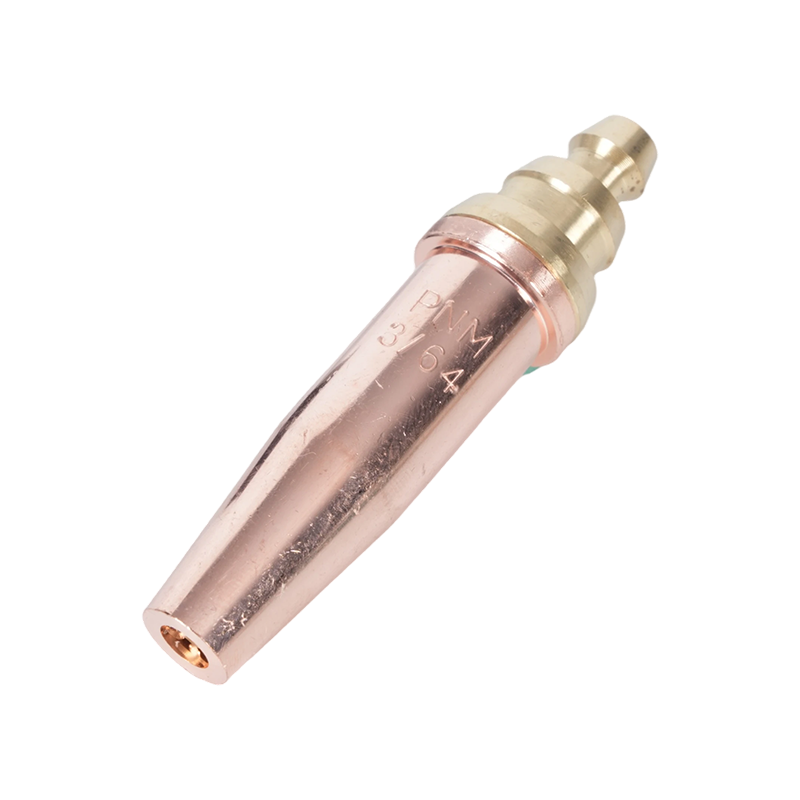
Both propane and propylene require injector-style torch tips rather than the equal-pressure tips used with acetylene. Using the wrong tip type for the gas in use degrades cut quality and can create safety hazards — tip selection must match the fuel gas.
How the Cutting Tip Affects Heat Delivery
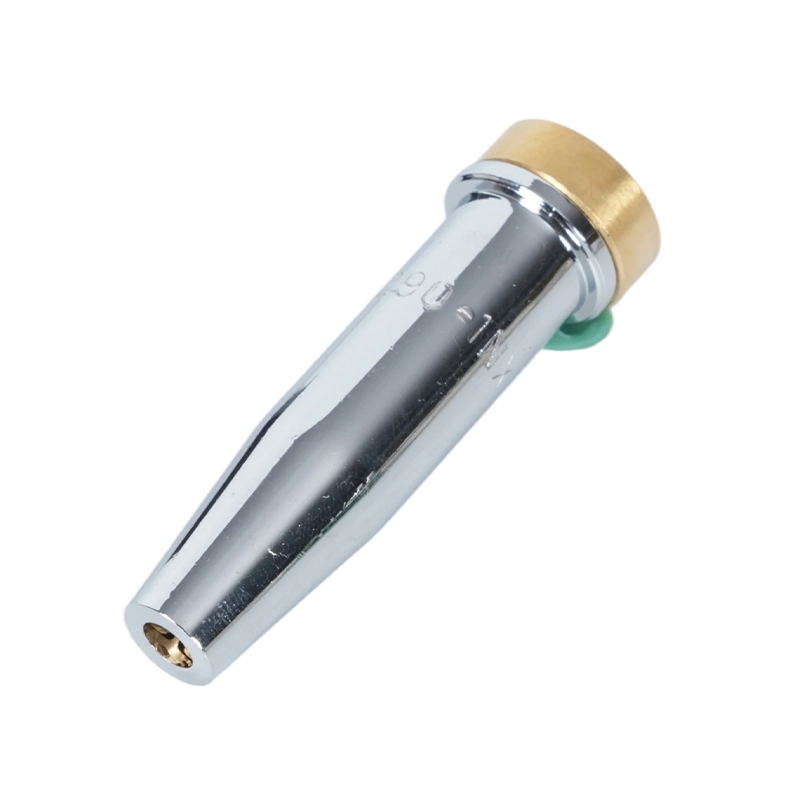
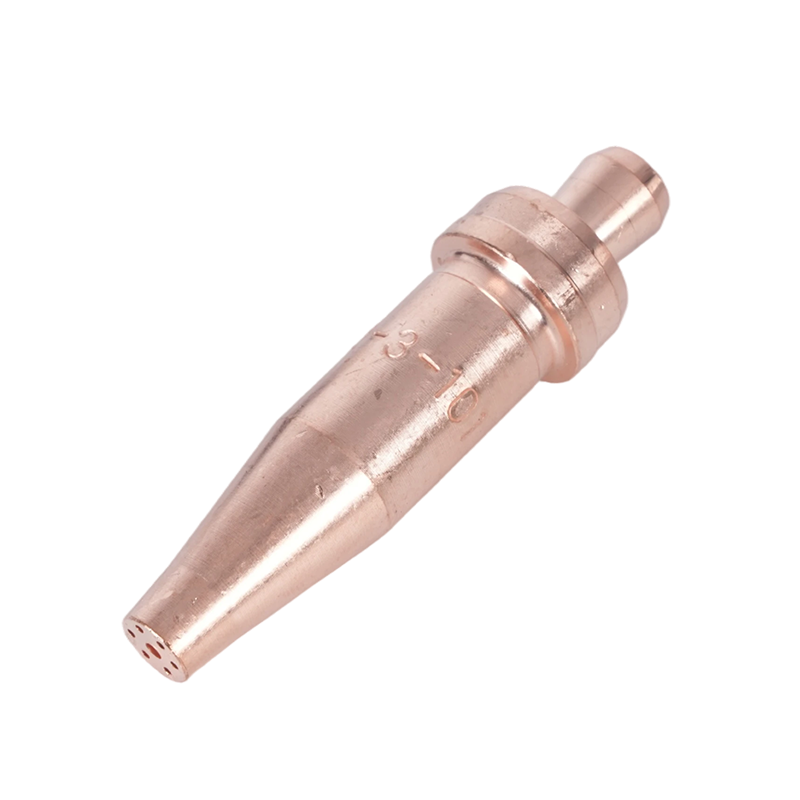
The cutting tip is the component that translates gas pressure and flow into an effective preheat flame and cutting oxygen stream. Its design — the number, size, and angle of the preheat orifices, and the diameter of the central cutting oxygen bore — determines how flame temperature is delivered to the workpiece in practice, regardless of what the gas itself is theoretically capable of.
A tip that is too small for the application restricts oxygen flow and extends preheat time beyond what the gas's temperature should require. A tip that is too large for thin material spreads heat across a wider area than needed, increasing distortion and reducing cut quality. Worn or damaged tips — with enlarged or deformed orifices from repeated heat cycling or improper cleaning — produce an irregular flame that cannot sustain consistent kindling temperature across the cut path, leading to rough edges and uncut spots regardless of how hot the flame theoretically burns.
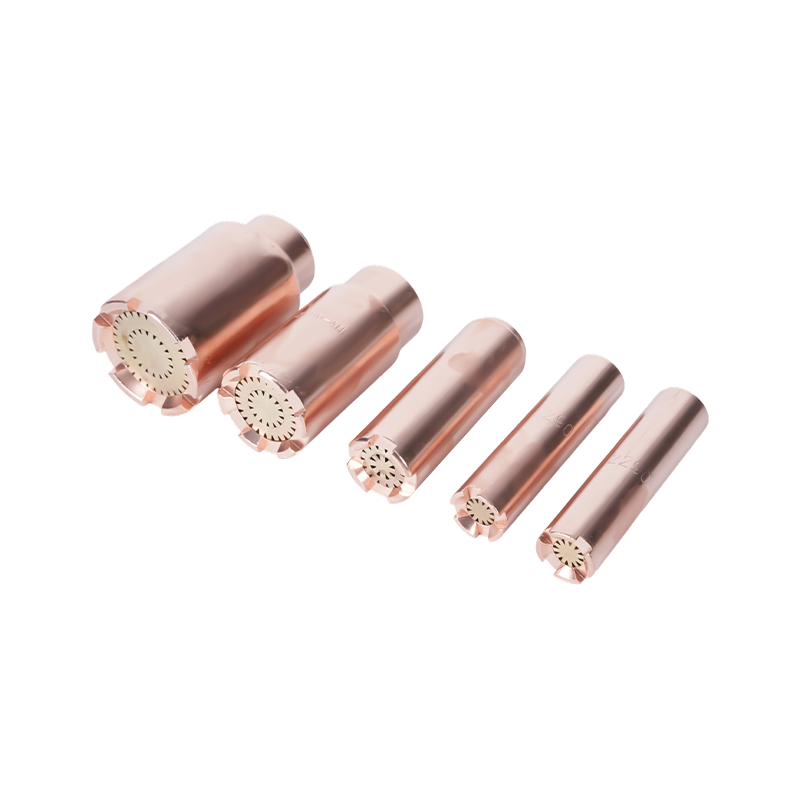
Tip material also matters: tips manufactured to precise orifice tolerances maintain consistent flow characteristics over their service life, while lower-quality tips may have dimensional variation that produces inconsistent results from the first use. Acetylene cutting torch tips designed for high-temperature oxy-fuel cutting are engineered with the orifice geometry and material specifications that oxy-acetylene's pressure and temperature demands require. For propane and alternative fuel setups, propane cutting torch tips for high-BTU alternative fuel setups use the injector-style design that lower-pressure alternative gases need to achieve proper fuel-oxygen mixing at the tip.
Managing Temperature for Safe and Clean Cuts
Operating a cutting torch at the correct temperature range is as much a safety matter as a performance matter. Overheating the torch body — through excessive backfire (a brief flame pop back into the tip) or flashback (flame burning back into the hose or regulator) — can damage equipment and create serious hazards.
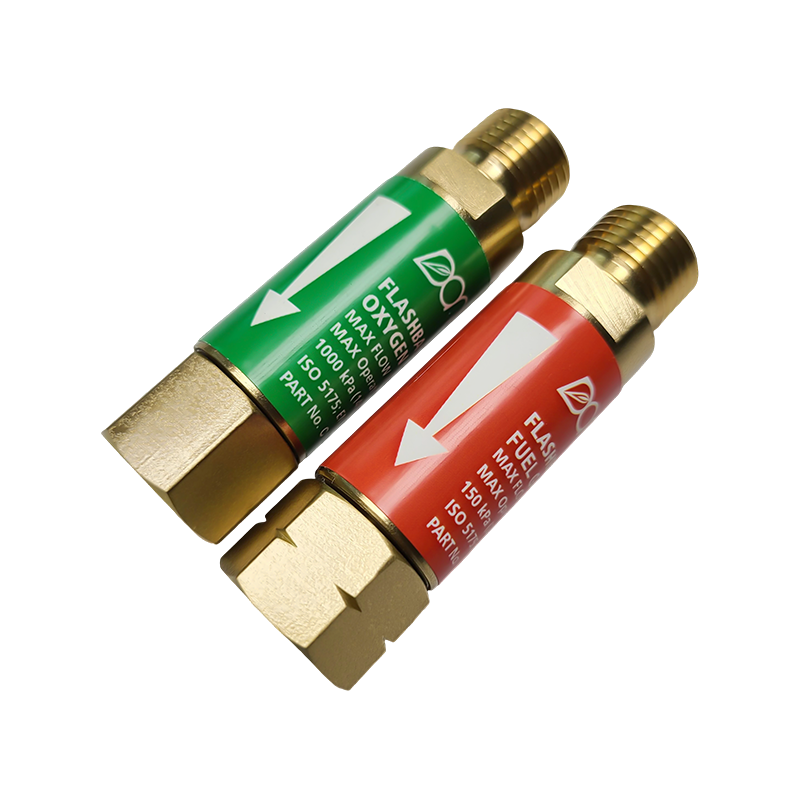
Backfire typically results from the tip touching the workpiece, incorrect gas pressures, or a dirty or damaged tip orifice. The flame extinguishes with a sharp pop and can be relit. Flashback is more serious: the flame travels back past the tip into the torch body and hose, producing a hissing or squealing sound and potentially reaching the gas supply. Modern torch setups address this risk with flashback arrestors — devices installed between the hose and the torch body (or regulator) that contain a check valve and thermal cutoff to stop reverse gas flow before it can reach the cylinders. Flashback arrestors for safe cutting torch operation are a required safety component for any oxy-fuel system — not an optional accessory — and should be inspected regularly for damage or blockage.
Temperature management during cutting also involves maintaining the correct torch-to-work distance. Too close and spatter contaminates the tip orifice and can cause backfire; too far and the preheat flame loses effectiveness, extending preheat time and degrading cut quality. The correct standoff distance varies by tip size and gas type and is specified in the tip manufacturer's data for each tip number.
Choosing the Right Setup for Your Temperature Needs
The practical question is not "which gas burns hottest?" but "which gas and tip combination delivers the right heat to my specific material and application efficiently and safely?" The answer depends on steel thickness, required cut quality, production volume, and gas availability.
For thin to medium steel (up to roughly 1 inch) where cut quality and speed are priorities, oxy-acetylene with a matched acetylene tip is the standard choice. For thick plate cutting, scrap processing, or high-volume operations where gas cost is a meaningful factor, propylene with the correct injector tip delivers near-acetylene performance at significantly lower operating cost. For occasional use or sites where acetylene supply is impractical, propane provides a reliable alternative with adequate performance for most structural cutting tasks.
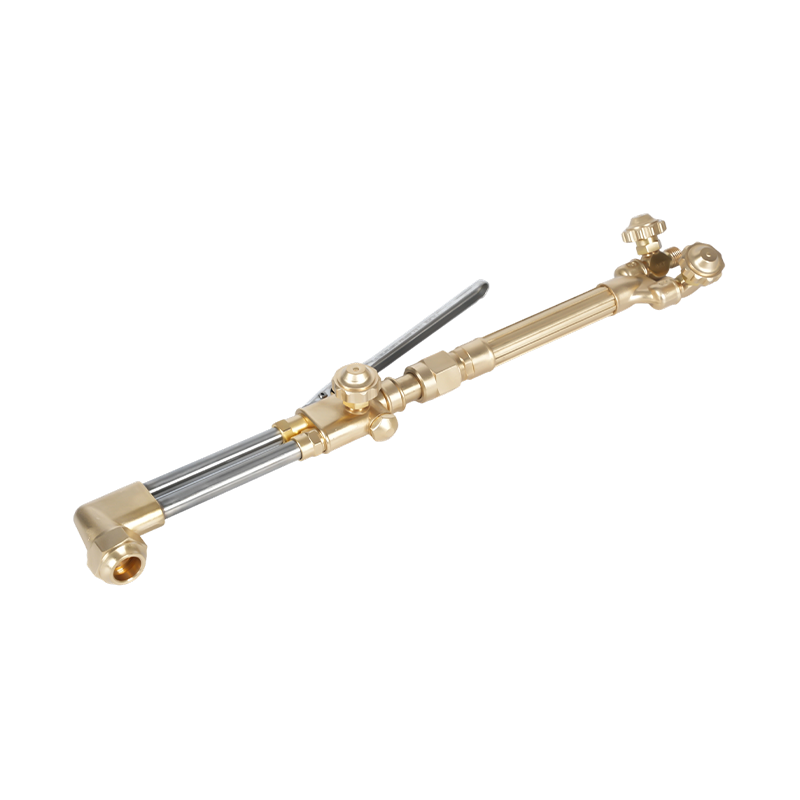
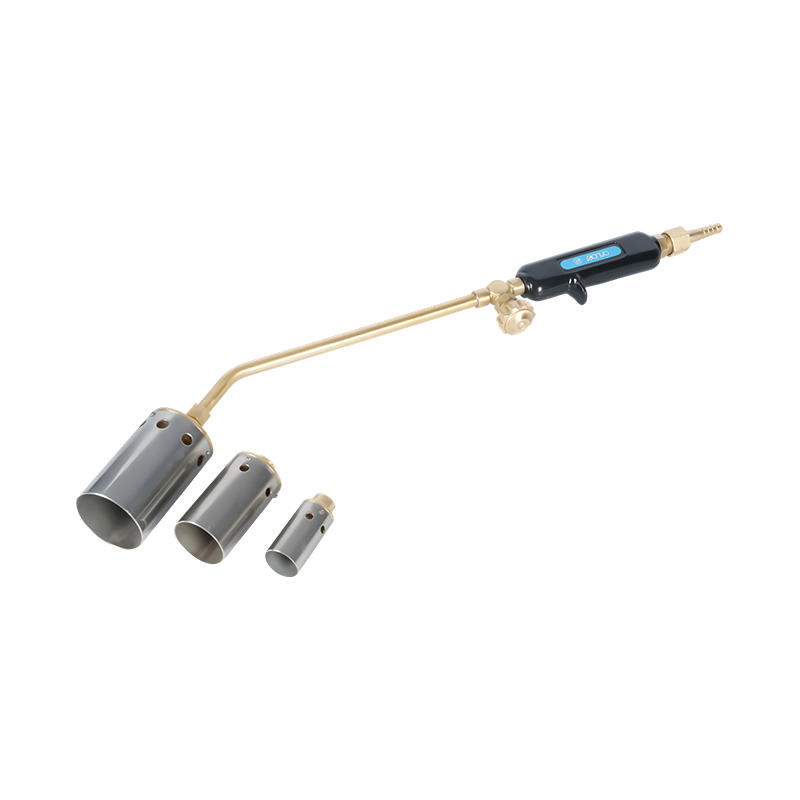
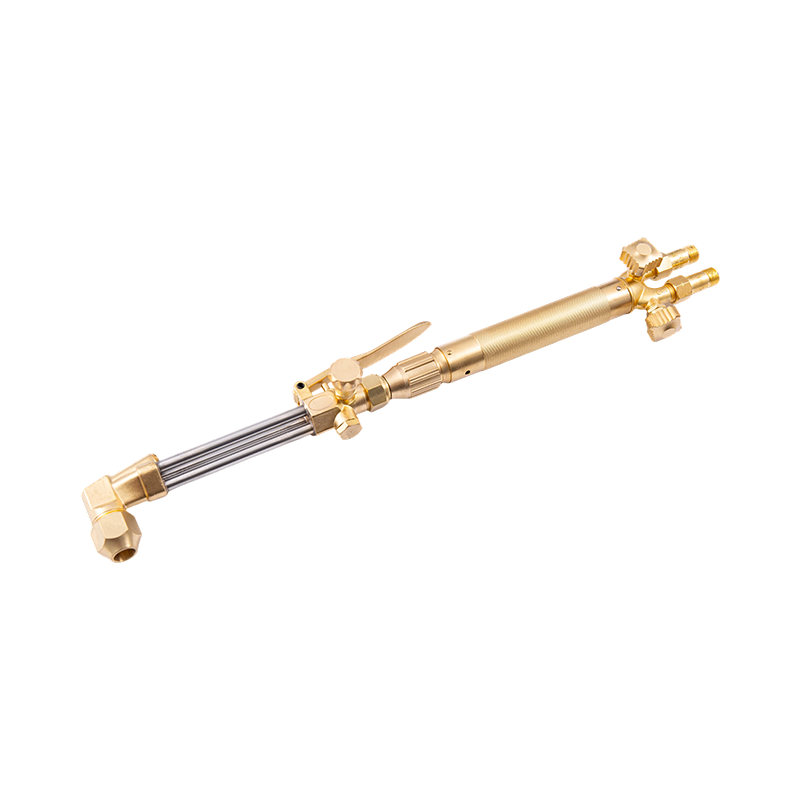
Whatever gas and tip combination is selected, the torch handle, cutting attachment, and regulators must be compatible with that gas and rated for the pressures involved. Complete cutting torch kits for oxy-fuel cutting setups provide matched components — handle, attachment, tips, and hoses — that are engineered to work together at the correct pressures and flow rates for a given gas type. For operators who already have a torch handle and need to add cutting capability, cutting attachments compatible with major torch handle systems allow the cutting function to be added without replacing the full setup — provided the attachment is rated for the fuel gas in use.