
 English
 中文简体
中文简体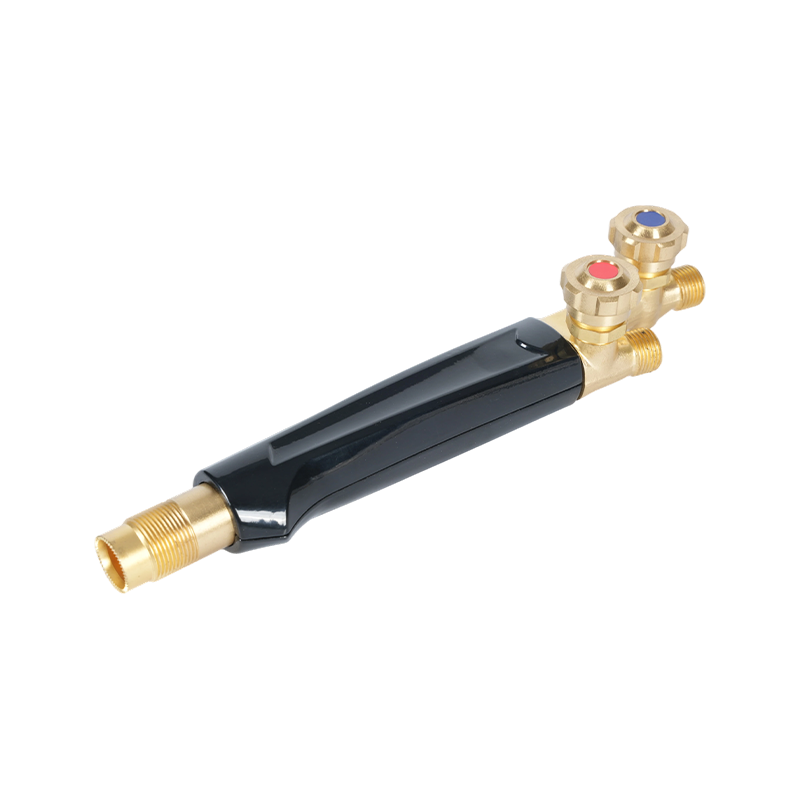
Content
How Acetylene Cutting Torch Tips Work
An acetylene cutting torch tip is the terminal component of an oxy-fuel cutting system—the point at which gas chemistry, pressure engineering, and metallurgical reaction converge to produce a cut. Understanding how a cutting tip functions mechanically is the foundation for selecting the right tip, setting correct pressures, and diagnosing problems when cut quality deteriorates.
The cutting process operates in two distinct stages, both controlled by the tip's geometry. First, the preheat flames—supplied through a ring of smaller orifices surrounding the central bore—raise the base metal to its kindling temperature of approximately 1,800°F (982°C). Acetylene is the preferred fuel for this stage because its combustion with oxygen produces a flame temperature of approximately 5,720°F (3,160°C), with the majority of its heat concentrated in the inner flame cone. This inner cone concentration enables fast, precise preheating with a minimal heat-affected zone on the surrounding metal—an advantage that alternative fuels such as propane and propylene cannot fully replicate.
Once the steel reaches kindling temperature and turns cherry red, the operator opens the cutting oxygen lever. A high-pressure stream of pure oxygen (99.5% purity or higher) is released through the central bore of the tip. This oxygen jet does not melt the steel—it causes an exothermic oxidation reaction that burns the iron directly, converting it to iron oxide slag that is simultaneously expelled from the kerf by the velocity of the gas stream. The result is a thermochemical cut rather than a thermal melt, which is why oxy-acetylene can cut steel plate several inches thick that no plasma or laser process can match economically at scale.
Two critical acetylene-specific constraints govern how cutting tips must be used: acetylene working pressure must never exceed 15 PSI (1 bar), as the gas becomes chemically unstable and shock-sensitive above this threshold. Additionally, acetylene must not be withdrawn from a cylinder at a rate exceeding one-seventh of the cylinder's total capacity per hour—withdrawing faster draws liquid acetone into the hoses and torch, damaging equipment and creating hazardous flame behavior.
One-Piece vs Two-Piece Cutting Tips
Acetylene cutting torch tips are manufactured in two structural formats, and the distinction between them is not merely cosmetic—it determines gas compatibility, flame geometry, thermal performance, and the type of cutting work each tip is engineered to deliver.
One-Piece Acetylene Cutting Tips
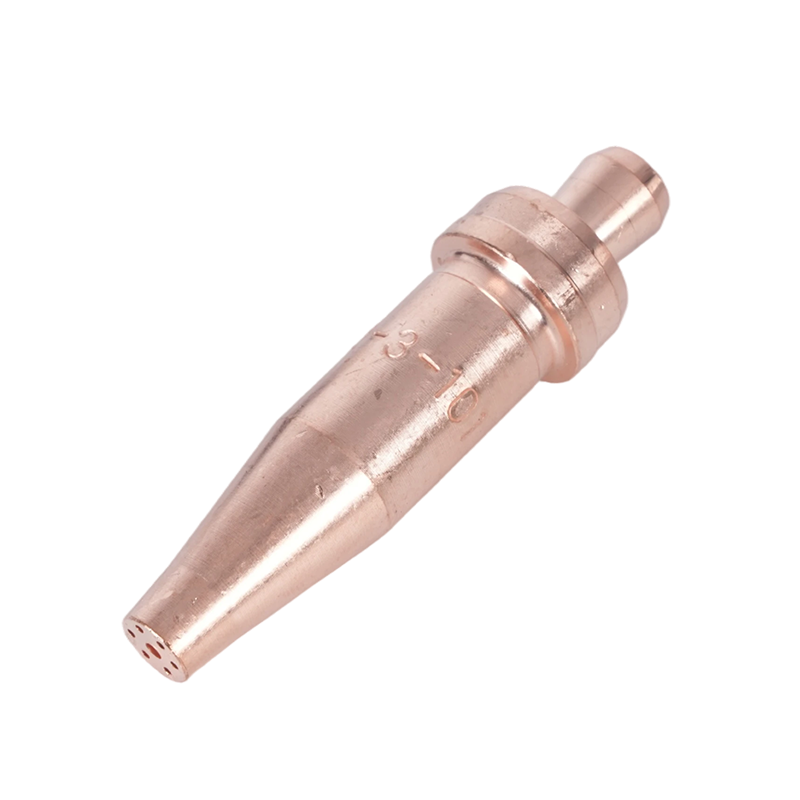
One-piece tips are machined from a solid copper alloy billet—most commonly tellurium copper, chosen for its combination of high thermal conductivity, machinability, and resistance to the extreme heat generated at the tip face. The tip is produced by drilling and precision-swaging over calibrated wires to create exact preheat orifices and a central cutting oxygen bore of precisely controlled diameter. The result is a single integrated component with no joints between gas passages. One-piece tips are designed exclusively for acetylene and are the standard format for hand cutting across fabrication, construction, automotive, and structural steel work. They typically feature four or six preheat holes arranged concentrically around the central bore.
Two-Piece Cutting Tips
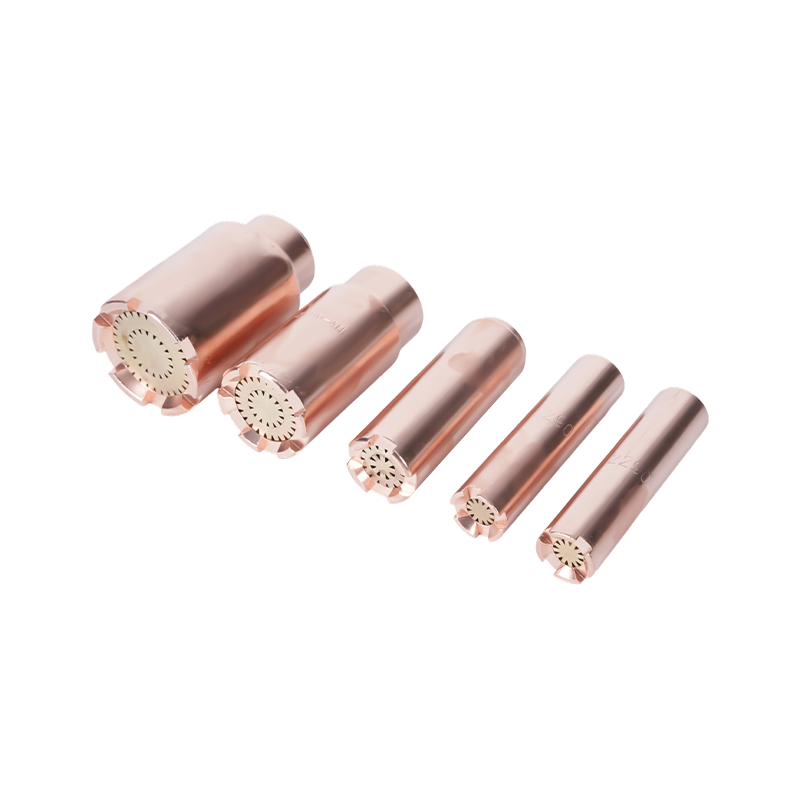
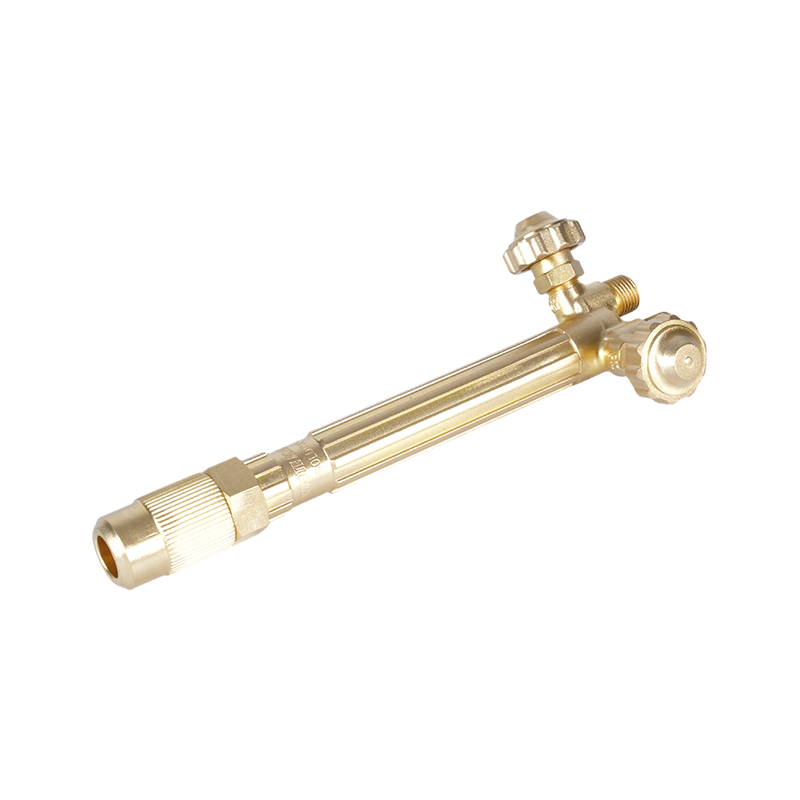
Two-piece tips consist of a copper outer shell and a brass inner member. This construction creates preheat flame grooves between the two components rather than drilled passages through a single piece. Two-piece tips are designed for use with alternative fuel gases—propylene, propane, natural gas, and MAPP—where the longer preheating time and different flame geometry of these gases require a wider, more distributed preheat pattern. Two-piece tips are not interchangeable with acetylene setups: the flame characteristics and gas pressure requirements differ fundamentally, and using the wrong tip type compromises both cut quality and safety.
| Characteristic | One-Piece Tip | Two-Piece Tip |
|---|---|---|
| Construction material | Solid copper alloy (tellurium copper) | Copper outer shell + brass inner member |
| Compatible fuel gas | Acetylene only | Propane, propylene, MAPP, natural gas |
| Preheat orifice design | Drilled holes (4 or 6) | Grooves between shell and inner member |
| Flame concentration | High — inner cone focus | Broader — distributed preheat pattern |
| Typical application | Hand cutting, precision work, thin-medium plate | Production cutting, heavy plate, heating |
Tip Numbering and Orifice Sizing Explained
One of the most persistent sources of confusion in cutting tip selection is the numbering system. Unlike fasteners or drill bits, cutting torch tip numbers do not follow a universal standard—different manufacturers assign different numbers to tips with identical orifice diameters. A size #2 tip from one manufacturer may have the same cutting oxygen bore as a size #3 from another. This inconsistency is not a defect; it reflects historical brand-specific conventions that were established independently across the industry.
The technically correct approach to tip selection is to specify by cutting oxygen orifice diameter, expressed as a drill bit index size, rather than by tip number alone. The central bore—the single hole through which the high-pressure cutting oxygen is delivered—is the dimension that determines the volume of oxygen reaching the cut and therefore the maximum thickness of steel the tip can cut cleanly. Preheat orifice diameters are secondary specifications that affect preheating speed and are designed by the manufacturer to match the central bore.
Tip numbers generally increase with orifice size: smaller numbers (000, 00, 0, 1) correspond to smaller orifices suited to thin material, while larger numbers (4, 5, 6 and above) correspond to larger orifices for heavy plate cutting. Our range of cutting torch tips is produced to precision-swaged orifice tolerances, with published drill index sizes for each model to allow direct dimensional verification independent of the numbering convention used on your existing equipment.
Acetylene Cutting Tip Selection Chart
The following table provides standard tip selection and pressure parameters for acetylene cutting on mild steel in good condition. All pressures are measured at the regulator with a 25-foot hose. For hose runs significantly shorter or longer than 25 feet, adjust working pressure accordingly to maintain correct tip outlet pressure.
| Metal Thickness | Typical Tip Size | O₂ Pressure (PSI) | C₂H₂ Pressure (PSI) | Preheat Holes |
|---|---|---|---|---|
| Up to 1/8" (3mm) | #000 / #00 | 20–25 | 3–5 | 4 |
| 1/8"–1/4" (3–6mm) | #0 / #1 | 25–35 | 3–5 | 4–6 |
| 1/4"–1/2" (6–13mm) | #2 | 35–45 | 4–6 | 6 |
| 1/2"–1" (13–25mm) | #3 | 40–55 | 4–7 | 6 |
| 1"–2" (25–51mm) | #4 | 50–65 | 5–8 | 6 |
| 2"–4" (51–102mm) | #5 / #6 | 55–80 | 6–12 | 6 |
| 4"–6" (102–152mm) | #7 / #8 | 70–100 | 8–15 | 6 |
Two operational rules apply without exception across all entries in this table. First, never use a tip sized for thicker material than you are actually cutting—an oversized tip delivers more oxygen than the preheat flame can properly consume, causing overheating, tip damage, backfiring, and ragged cuts. Second, never exceed 15 PSI acetylene working pressure regardless of tip size or plate thickness; if a specific cut requires more oxygen flow than a correctly sized tip can provide at safe acetylene pressure, the solution is to switch to a larger oxygen cylinder or manifold setup, not to increase acetylene pressure.
Straight Bore vs Divergent Bore Cutting Tips
Beyond the one-piece and two-piece distinction, acetylene cutting tips are further differentiated by the geometry of the central cutting oxygen bore. This specification is critical for operators who work with both hand-held and machine-mounted cutting equipment.
Straight Bore Tips
A straight bore maintains a consistent cylindrical diameter from the gas passage through to the tip outlet. Straight bore tips operate at cutting oxygen pressures of 40 to 60 PSI and are the standard design for hand cutting operations. The cylindrical gas stream they produce is stable at moderate velocities, giving the operator adequate control of the cut line, slag ejection, and preheat coverage during manual torch movement.
Divergent Bore Tips
A divergent bore—also called a flared or tapered outlet—widens slightly at the tip outlet, allowing the cutting oxygen stream to expand and accelerate as it exits. This geometry is engineered for machine cutting applications and operates at 70 to 100 PSI cutting oxygen pressure. The higher-velocity, divergent oxygen stream enables cutting speeds approximately 25% faster than straight bore tips of equivalent orifice size, while maintaining acceptable kerf quality on mild steel plate at the thicknesses where machine cutting is economically justified. Divergent bore tips are not recommended for hand cutting: the higher pressures involved and the reduced operator feedback from the accelerated stream make precise manual control significantly more difficult.

Tip Maintenance, Cleaning and Safety
The condition of a cutting tip directly determines cut quality and operational safety. A tip with partially blocked preheat orifices, a deformed central bore, or a contaminated seating face will produce an irregular flame, unstable cutting oxygen stream, and elevated risk of backfire or flashback. Tip maintenance is not optional—it is a routine operational requirement.
Cleaning Procedure
Tip orifices accumulate spatter, slag, and oxidation deposits during normal use. These deposits constrict gas flow and distort the flame pattern. Cleaning must be performed with tip cleaners specifically designed for the orifice diameter in use—never with nails, wires, drill bits, or improvised tools. Tip cleaners are cylindrical files sized to match standard orifice diameters; used correctly, they remove deposits without enlarging or deforming the bore. Enlarging a preheat or cutting orifice by even a few thousandths of an inch changes the gas flow characteristics enough to affect flame balance and cut quality, and a deformed bore cannot be corrected—the tip must be replaced. Clean all orifices individually with a light filing stroke, then blow through the tip with low-pressure compressed air to clear any debris before reinstalling.
Seating Face Inspection
The seating face of the tip—the machined surface that mates with the torch head—must be flat, smooth, and free of burrs. A damaged seating face allows gas to bypass the seal between tip and torch, creating a leak that produces an irregular flame and introduces flashback risk. Inspect the seating face after every tip removal. Light surface marks can be polished with fine abrasive paper on a flat surface; any tip showing deep gouges, cracks, or significant surface irregularity should be replaced immediately.
Backfire and Flashback Prevention
A backfire—where the flame pops back into the tip and re-ignites at the tip face—is most commonly caused by operating at pressures below the minimum for the tip size, holding the tip too close to the work surface, or partially blocked orifices restricting gas flow. If a backfire occurs, close the acetylene valve first, then the oxygen valve, allow the tip to cool, inspect and clean orifices, and verify pressure settings before relighting. A flashback—where the flame travels into the hoses and regulators—is a more serious event requiring flashback arrestors installed on both the fuel and oxygen lines at the torch body or regulator outlets. Flashback arrestors are mandatory for acetylene systems in most jurisdictions and are strongly recommended regardless of local requirements.
Choosing the Right Tip for Your Setup
Selecting an acetylene cutting torch tip correctly requires working through four sequential decisions. Applying them in order eliminates most selection errors before they occur.
- Step 1 — Confirm fuel gas compatibility. Verify that your setup uses acetylene, not propane, propylene, or MAPP. Only one-piece tips manufactured specifically for acetylene should be used on acetylene systems. Using a two-piece alternative-fuel tip on an acetylene torch produces incorrect flame geometry and unpredictable gas behavior.
- Step 2 — Determine the metal thickness at its maximum. Select a tip rated to cut the thickest section you will encounter in the job, not the average thickness. Cutting a section 10% thicker than a tip's rated capacity produces an incomplete or ragged cut; using a tip undersized for the thickest section and attempting to compensate with higher pressure risks backfire and tip damage.
- Step 3 — Choose bore type based on application. Hand cutting operations require straight bore tips at 40–60 PSI cutting oxygen. Machine or automated cutting operations benefit from divergent bore tips at 70–100 PSI for the 25% speed advantage they deliver on straight cuts in plate.
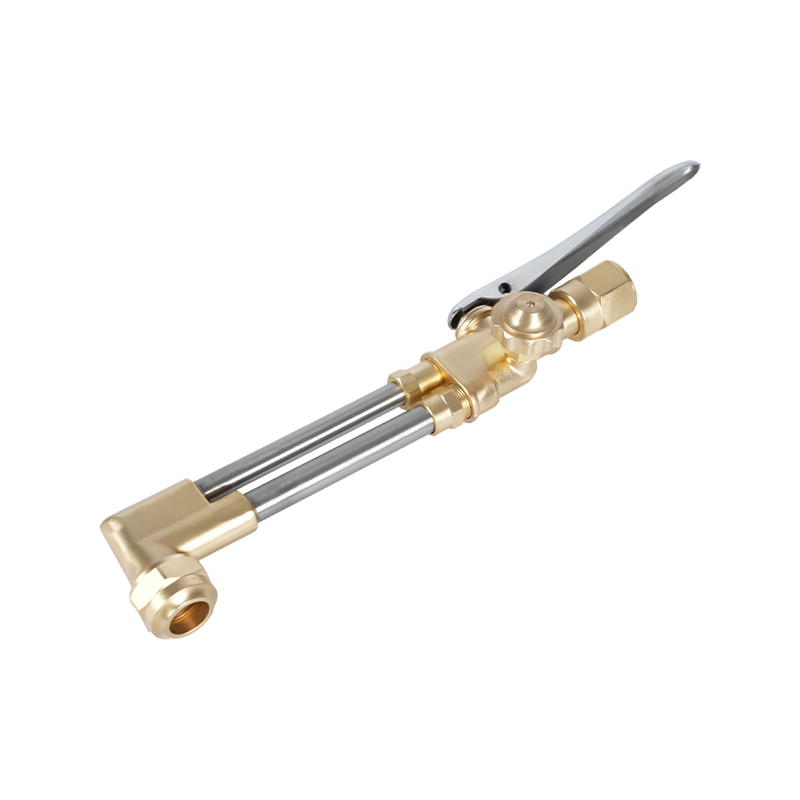
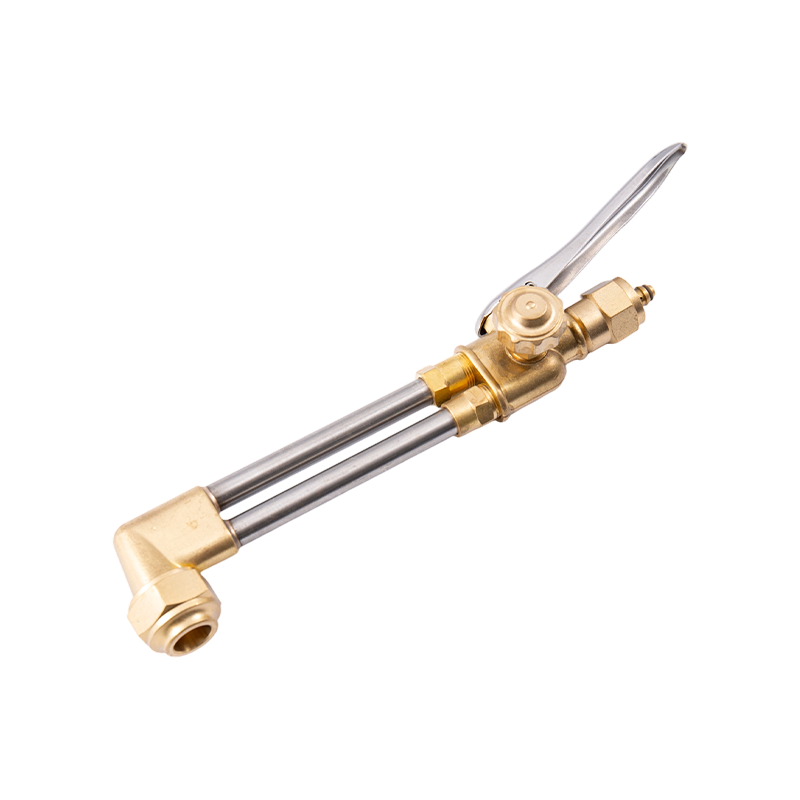
- Step 4 — Verify torch handle and head compatibility. Cutting tips must seat correctly against the torch head they are fitted to. Tip thread, seating geometry, and head thread must all match. Our cutting torch handles are manufactured with standardized tip thread and seating specifications; pairing them with matched tips from the same system eliminates the leakage and flame instability that result from mixing incompatible components from different manufacturers.
For operators equipping a new station or replacing an entire oxy-fuel setup, a complete system approach—torch handle, cutting attachment, regulators, hoses, and matched tips purchased together—eliminates compatibility uncertainty at the outset. Our cutting torch kits are assembled as matched systems with documented tip compatibility, pressure specifications, and acetylene-rated components throughout, providing a reliable starting point for both workshop and field cutting applications.