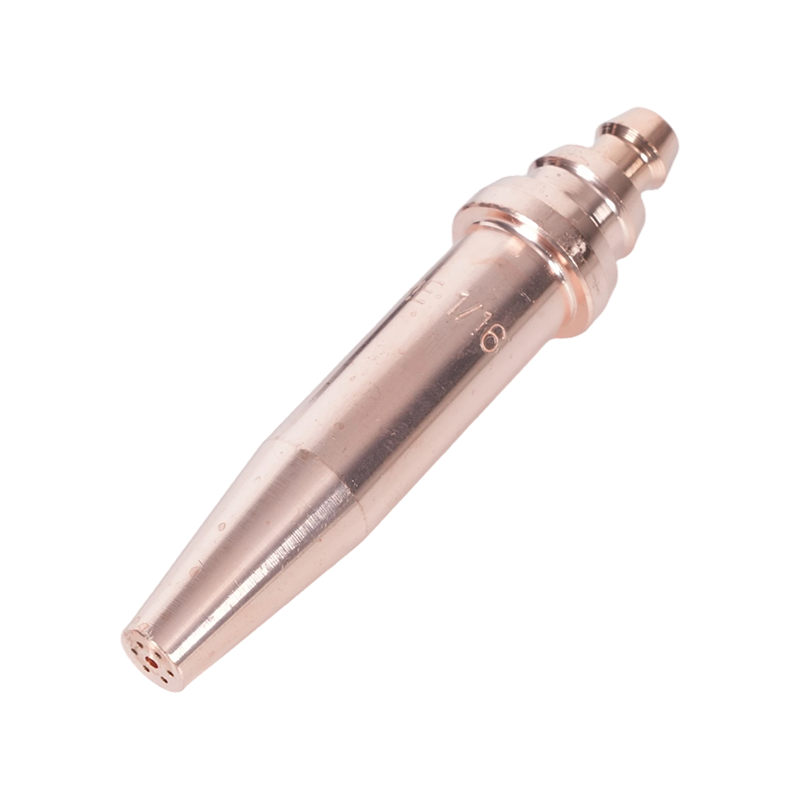
Cutting Torch Nozzle Material Selection
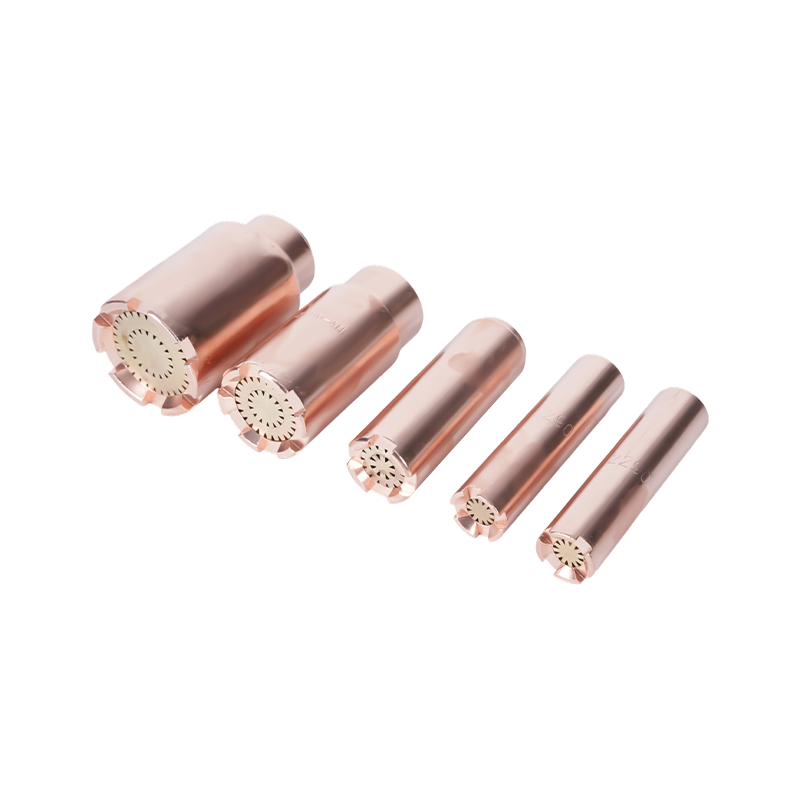
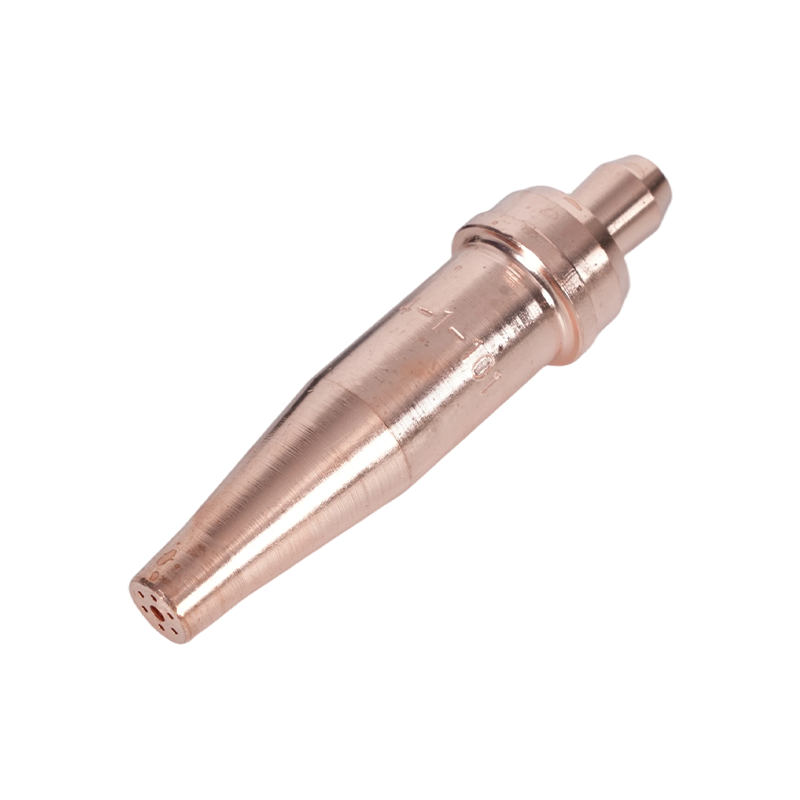
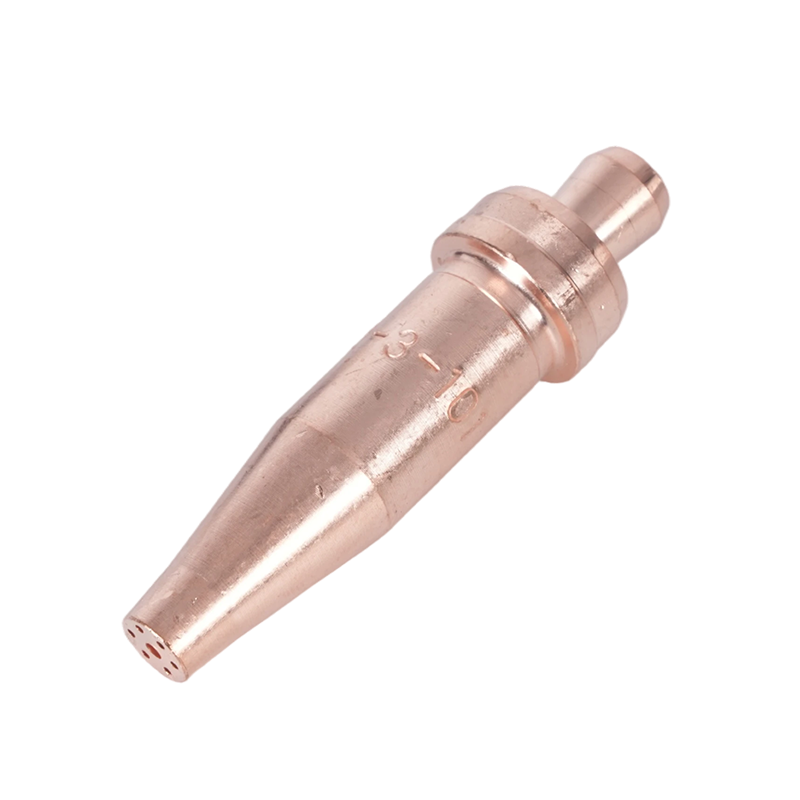
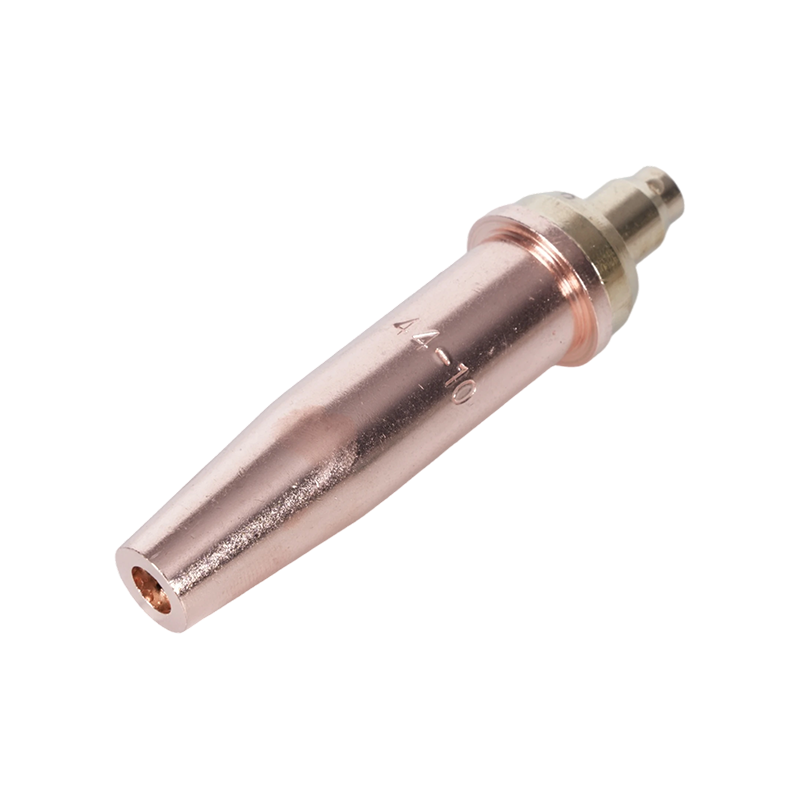
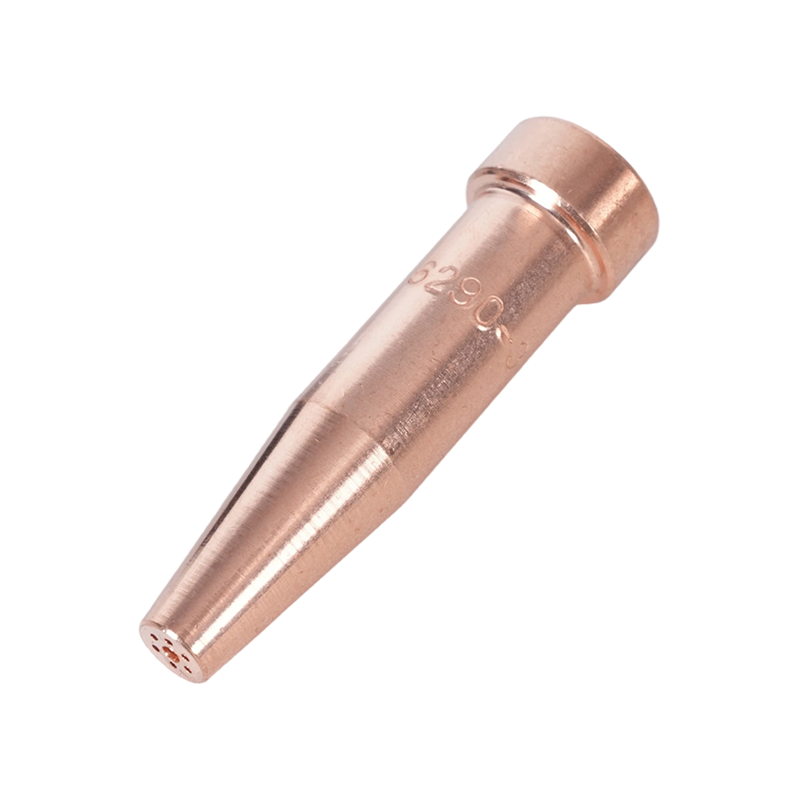
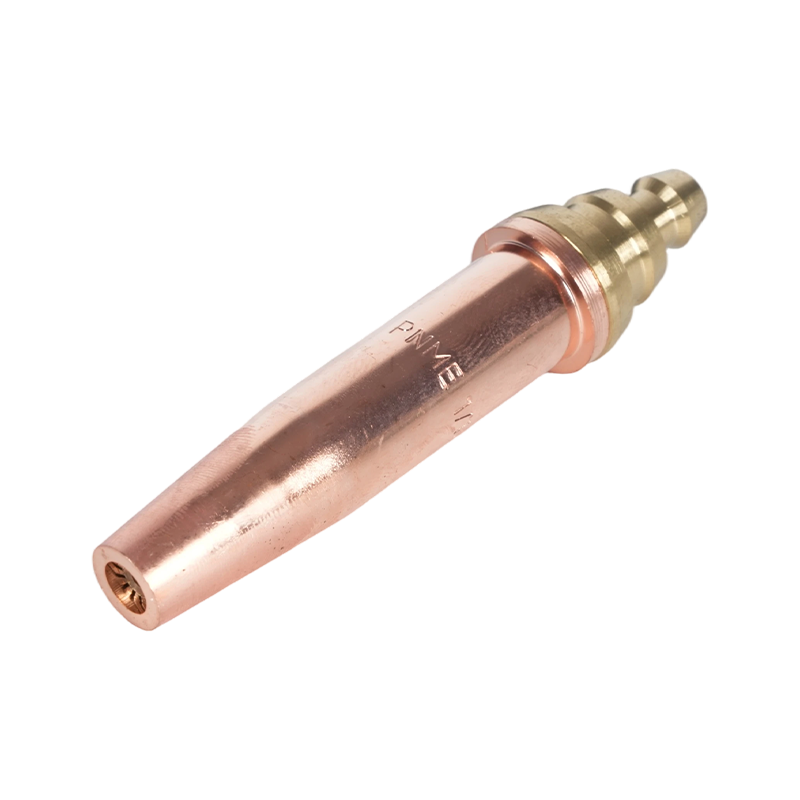
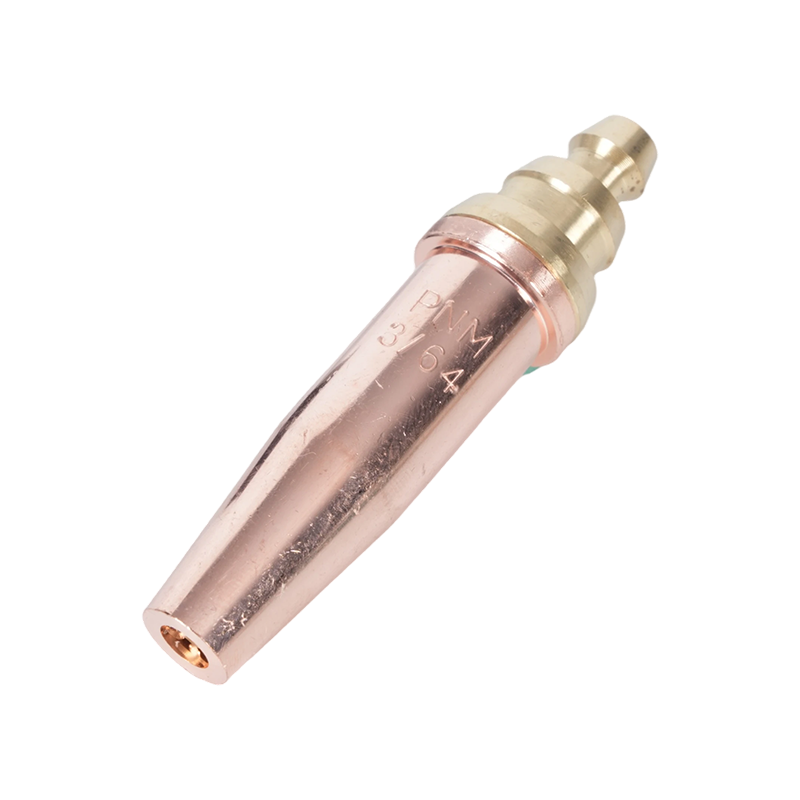
When choosing cutting torch nozzles, the material composition is crucial for performance and longevity. High-quality brass alloys, such as those we use at Ningbo Donuo, provide excellent thermal conductivity and wear resistance. Using inferior metals may lead to rapid erosion, inconsistent cutting, and frequent replacements, which increases operational costs.
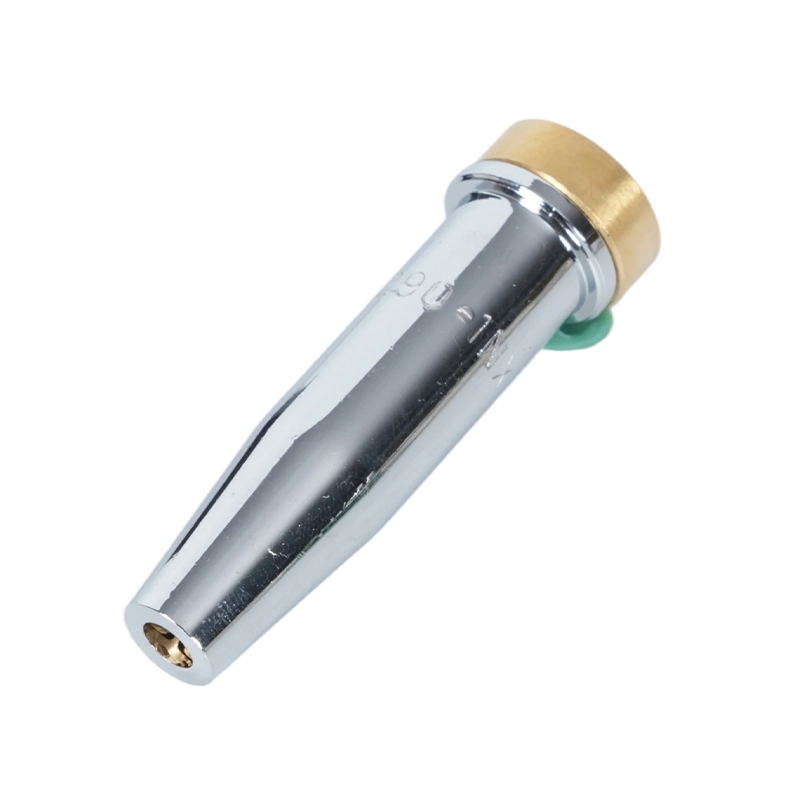
Copper nozzles with chromium or silver plating can improve heat resistance and prevent oxidation. In practical applications, plated nozzles maintain a stable flame, which is particularly important for precision cutting of thicker metals.
Impact of Orifice Design on Cutting Performance
The shape and size of the nozzle orifice directly influence flame concentration and cutting speed. A smaller orifice produces a concentrated jet, ideal for thin steel plates, while a larger orifice supports faster cuts on thicker materials. I always recommend evaluating the specific workpiece and adjusting nozzle size accordingly to achieve optimal efficiency.
- Precision orifice machining reduces turbulence and ensures a stable flame.
- Multi-hole orifices can distribute oxygen flow more evenly for cleaner cuts.
- Regular inspection prevents clogging, which can distort flame shape.
Nozzle Maintenance and Longevity
Proper maintenance extends the lifespan of cutting torch nozzles. Residual slag and metal particles can cause erosion if not cleaned. I often tell our clients that investing a few minutes in post-operation cleaning pays off with months of reliable performance.
Recommended practices include:
- Using a soft wire brush or nozzle cleaning kit to remove deposits.
- Inspecting the nozzle tip for uneven wear or cracks before each use.
- Replacing worn nozzles promptly to maintain cutting precision and safety.
Cutting Torch Tips and Gas Flow Optimization
The interaction between torch tips and gas flow is a key factor in achieving consistent cuts. Oxygen pressure, acetylene or propane flow, and tip geometry must be balanced. At Ningbo Donuo, we fine-tune these parameters during production to ensure our tips deliver both efficiency and reliability.
For industrial applications, slightly increasing oxygen pressure can enhance cutting speed for thicker metals, but excessive pressure may cause premature tip wear. Adjusting the tip angle can also control flame penetration, particularly for beveled or angled cuts.
Comparing Standard vs. Specialized Cutting Tips
Standard tips are versatile and suitable for routine metal cutting, but specialized tips can significantly improve performance in demanding tasks. For example, high-flow tips are designed for rapid cutting of heavy steel plates, while precision tips are ideal for intricate shapes and fine detail work.
| Tip Type |
Recommended Use |
Advantages |
| Standard Tip |
General cutting tasks |
Versatile, durable, cost-effective |
| High-Flow Tip |
Thick steel plates |
Faster cutting, consistent flame |
| Precision Tip |
Intricate shapes, thin metals |
Fine control, clean cuts |
Tips for Choosing Nozzle Sizes for Different Metals
Choosing the correct Cutting Torch Tips is more nuanced than simply matching metal thickness. Alloy composition, surface condition, and heat conductivity all influence the cut. I often advise technicians to test a small section before committing to full cuts, especially when working with stainless steel or mixed-metal assemblies.
- Thin sheet metal (≤5mm): Use small orifice tips for precise flame control.
- Medium steel (5–20mm): Standard tips with balanced oxygen and fuel flow.
- Thick plates (>20mm): High-flow tips with increased oxygen pressure for faster cuts.
Extending Cutting Torch Tip Life
Prolonging the service life of cutting tips is not only cost-effective but also critical for operational efficiency. Keeping tips free from slag accumulation, avoiding overheating, and using clean, dry gas all contribute to longevity. At Ningbo Donuo, we manufacture our tips with precise tolerances to minimize wear under high-demand conditions.
I always remind clients that storing tips properly after use—preferably in a protective case or rack—prevents deformation and ensures they perform reliably the next time they are needed.


 English
 中文简体
中文简体