
 English
 中文简体
中文简体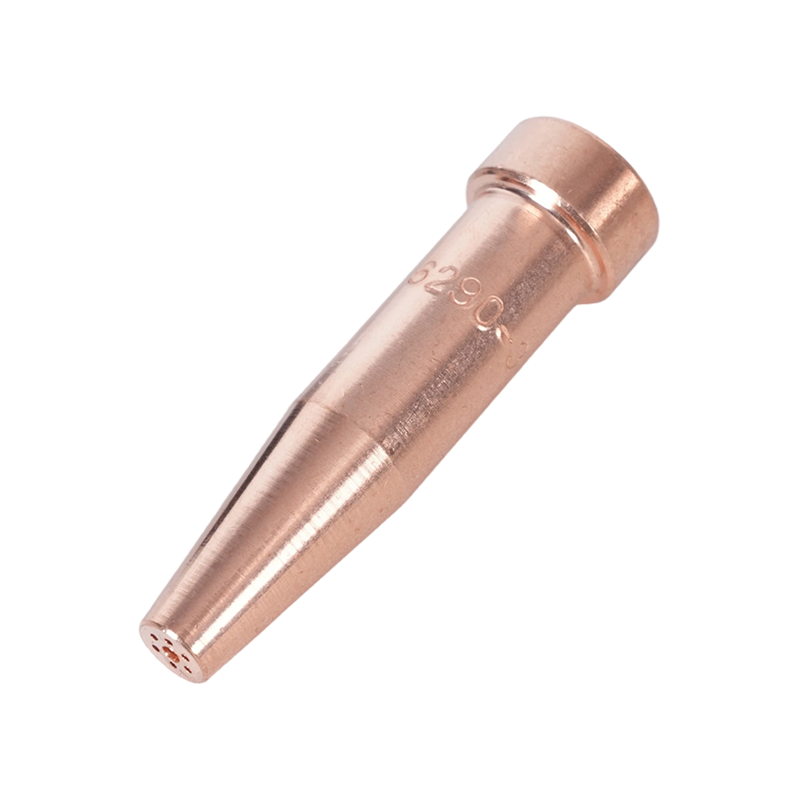
Content
The Critical Role of Cutting Torch Tips
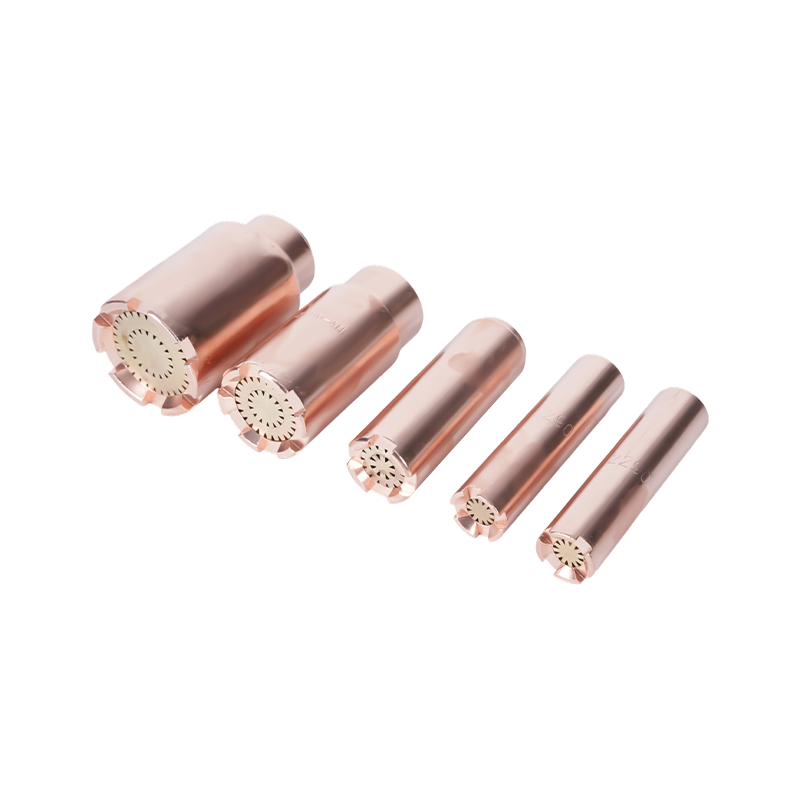
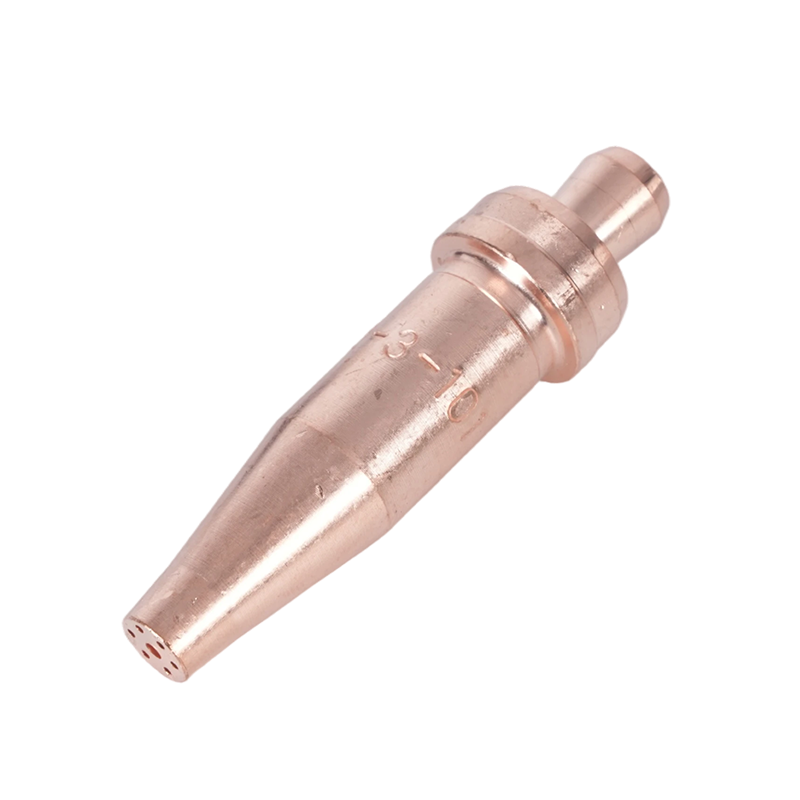
Cutting torch tips are the precision components that determine the quality, speed, and efficiency of oxy-fuel cutting operations. Selecting the correct tip size and type for your specific material thickness and gas combination is essential for achieving clean cuts and maximizing operational safety.
A well-maintained tip ensures optimal flame geometry, preventing wasted fuel and reducing the risk of dangerous backfires. Using the wrong tip can increase cutting time by up to 30% and significantly degrade edge quality, leading to additional grinding work.
Types of Cutting Torch Tips
Understanding the different designs available helps in choosing the right tool for the job:
One-Piece vs. Two-Piece Tips
One-piece tips are constructed from a single copper alloy piece, offering better heat dissipation and durability. Two-piece tips consist of a separate mixer and nozzle, which are often cheaper but more prone to leakage and misalignment if not assembled correctly.
High-Pressure vs. Low-Pressure Tips
High-pressure tips are designed for use with equal-pressure torches and provide a more stable flame at higher velocities. Low-pressure tips, often used with injector-style torches, rely on gas velocity to draw in oxygen, making them suitable for lighter duty work.
Sizing Guide for Material Thickness
Choosing the correct orifice size is crucial. An oversized tip wastes gas and creates wide kerfs, while an undersized tip struggles to pierce thick metal, leading to slag buildup.
| Material Thickness (inches) | Tip Size (Generic) | Oxygen Pressure (PSI) |
|---|---|---|
| Up to 1/2" | Size 0 or 1 | 20–30 |
| 1/2" – 1" | Size 2 or 3 | 30–40 |
| 1" – 2" | Size 4 or 5 | 40–50 |
| 2" – 6" | Size 6+ | 50–60 |
Maintenance and Cleaning Best Practices
Regular maintenance extends tip life and ensures consistent performance. Follow these steps to keep your tips in optimal condition:
- Daily Inspection: Check for roundness of the central oxygen hole. Oval-shaped holes cause uneven cuts and should be replaced immediately.
- Cleaning Method: Use a dedicated tip cleaner file set. Insert the correct size file into the preheat holes and the central oxygen orifice, twisting gently to remove slag.
- Avoid Wire Brushes: Never use steel wire brushes on the tip face, as embedded steel particles can ignite during operation, causing damage.
- Storage: Store tips in a dry, clean container to prevent oxidation and physical damage to the delicate orifice edges.
Troubleshooting Common Issues
Identifying problems early can save time and materials. Here are common issues and their solutions:
Backfire and Flashback
A backfire occurs when the flame burns inside the tip. This is often caused by a loose tip, overheating, or touching the molten pool with the tip end. Ensure tips are tightened securely but not over-torqued, and maintain proper standoff distance (usually 1/8" to 1/4").
Uneven Preheat Flames
If one preheat flame is shorter or weaker, the corresponding hole is likely clogged. Clean the tip thoroughly. If the issue persists, the internal passages may be damaged, requiring replacement.
Safety Considerations
Working with cutting torches involves high temperatures and pressurized gases. Adhere to these safety protocols:
- Always wear appropriate PPE, including shade 5 welding glasses, fire-resistant gloves, and clothing.
- Inspect hoses and connections for leaks before each use using soapy water or a leak detection solution.
- Never point the torch at yourself or others, even when it is not lit.
- Ensure adequate ventilation to prevent the buildup of harmful fumes and gases.
- Keep a fire extinguisher nearby and clear the work area of flammable materials.
Conclusion
Cutting torch tips are small but vital components that significantly impact the efficiency and safety of oxy-fuel cutting. By selecting the correct size for your material, maintaining them properly, and adhering to safety guidelines, you can achieve cleaner cuts, reduce fuel consumption, and extend the life of your equipment.
Investing time in understanding tip mechanics and troubleshooting common issues pays off in improved productivity and reduced operational costs. Always prioritize quality tips from reputable manufacturers to ensure consistency and reliability in your cutting tasks.