Thermal Efficiency Considerations in Heating Torch Applications
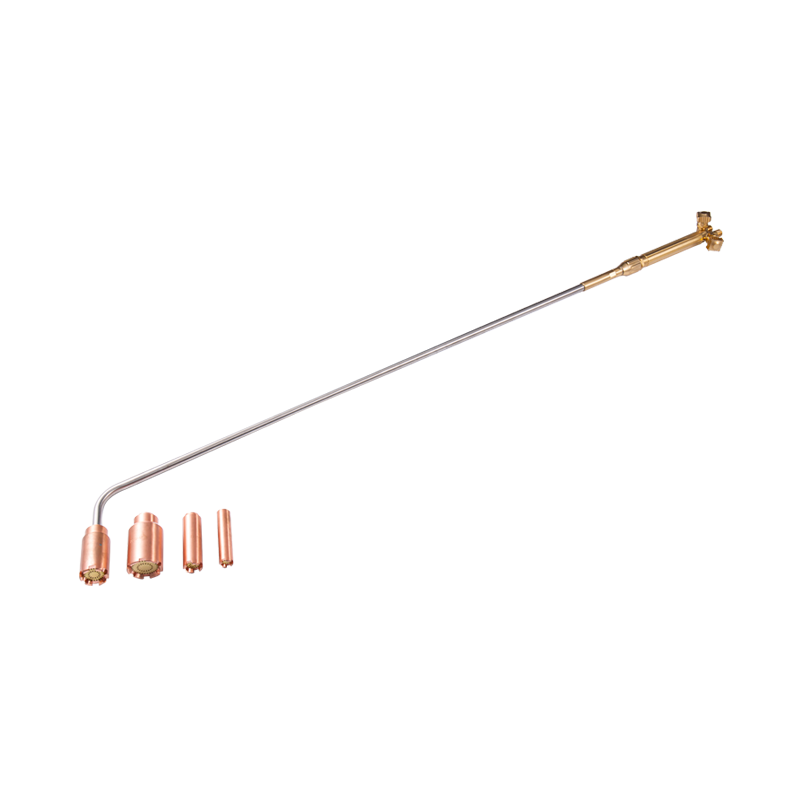
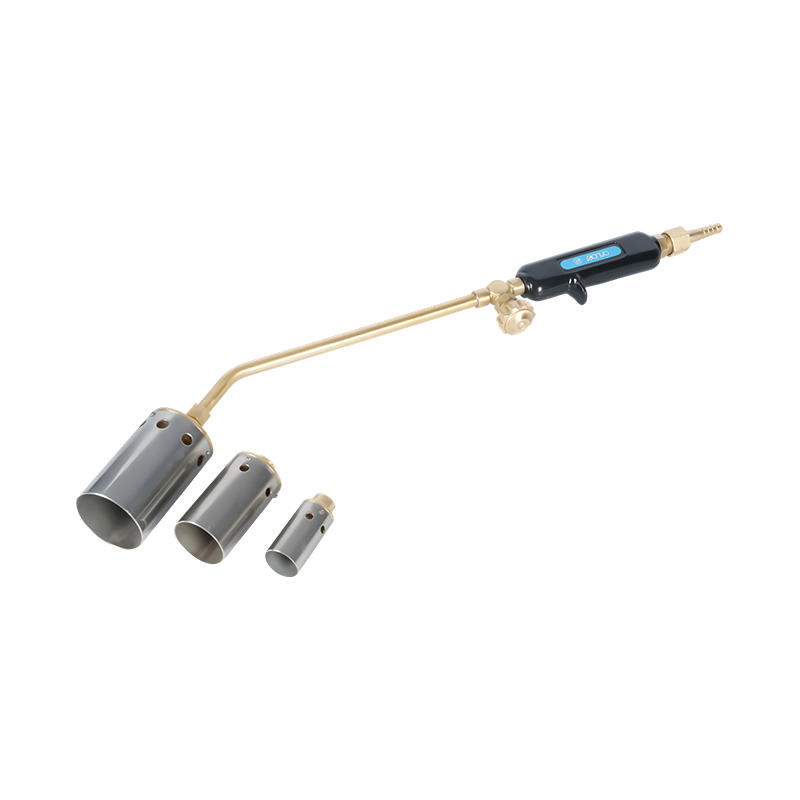
Heating torches rely heavily on how effectively fuel converts into usable thermal energy. One overlooked factor is the influence of nozzle geometry. A narrower nozzle increases flame velocity, making it suitable for brazing or spot heating, whereas a wider nozzle improves heat coverage for tasks such as paint stripping or preheating metal surfaces. Additionally, maintaining a clean internal gas path prevents turbulence that reduces thermal transfer efficiency.
- Use high-purity gas to reduce contaminants that destabilize the flame and cause inconsistent output.
- Check for micro-leaks around joints, as even small pressure fluctuations can affect heat distribution.
- Match the torch type to the heating objective—precision tasks require a concentrated flame, while surface-area tasks benefit from soft flame dispersion.
Material Compatibility When Working with Heating Torches
Not all metals react the same under intense torch heat. Copper alloys dissipate heat rapidly, requiring longer exposure, whereas stainless steel retains heat, increasing the risk of warping if overheated. Understanding thermal conductivity helps avoid material distortion, surface oxidation, or structural weakening.
| Material |
Torch Heating Behavior |
Recommended Practice |
| Steel |
Heats evenly but retains heat longer |
Use controlled passes to prevent overheating |
| Brass |
Thermally conductive; heats quickly |
Apply moderate flame to avoid zinc vaporization |
| Aluminum |
High heat diffusion; low melting point |
Monitor temperature closely to prevent collapse |
Advanced Safety Practices Beyond Standard Torch Operation
Experienced technicians know that safety extends beyond wearing protective gear. Gas pressure regulators must be calibrated periodically to prevent internal diaphragm fatigue, which can cause unstable outlet pressure. Ventilation is also critical, especially when heating coated or plated materials that may release harmful vapors.
- Position cylinders upright at all times to prevent liquid-phase fuel from entering the torch system.
- Avoid directing the flame toward reflective surfaces, as radiant rebound heat can unexpectedly increase ambient temperature.
- Use gas flowmeters to confirm stable gas delivery during long-duration heating processes.
Impact of Ambient Conditions on Torch Flame Stability
Environmental factors significantly influence flame behavior. A strong cross-wind can elongate or split the flame, creating uneven heating patterns. Low temperatures increase gas density, causing reduced flow rate at the nozzle unless compensated by adjusting the pressure regulator. Even humidity levels affect combustion quality, particularly in oxy-fuel heating where moisture can reduce flame temperature.
Technicians working outdoors often employ wind shields or position themselves strategically to maintain flame integrity. For indoor environments, ensuring consistent ventilation helps prevent heat buildup and keeps combustion efficient.
Maintaining Gas Pressure Regulators for Long-Term Torch Performance
Gas pressure regulators play a decisive role in flame consistency. Over time, internal springs, diaphragms, and seals experience fatigue. Even minor deterioration can cause surges or drops in pressure, leading to erratic flame length and temperature instability. Regular maintenance extends the lifespan of both the torch and associated equipment.
Key Maintenance Actions
- Inspect inlet filters for debris that restricts gas flow and increases regulator strain.
- Check connection threads for wear, especially when using brass fittings during frequent equipment changes.
- Verify output pressure accuracy with a calibrated gauge every few months in high-usage environments.


 English
 中文简体
中文简体